New Yorkers and others have the unique chance to possess a piece of the city’s history from the top of one of its legendary structures—the Woolworth Building. Designed by Cass Gilbert, the renowned American architect responsible for the U.S. Supreme Court Building and various civic constructions across the nation, the Woolworth Building was finished in 1913. It was then declared the world’s tallest building at 792 feet as per the Skyscraper Museum.
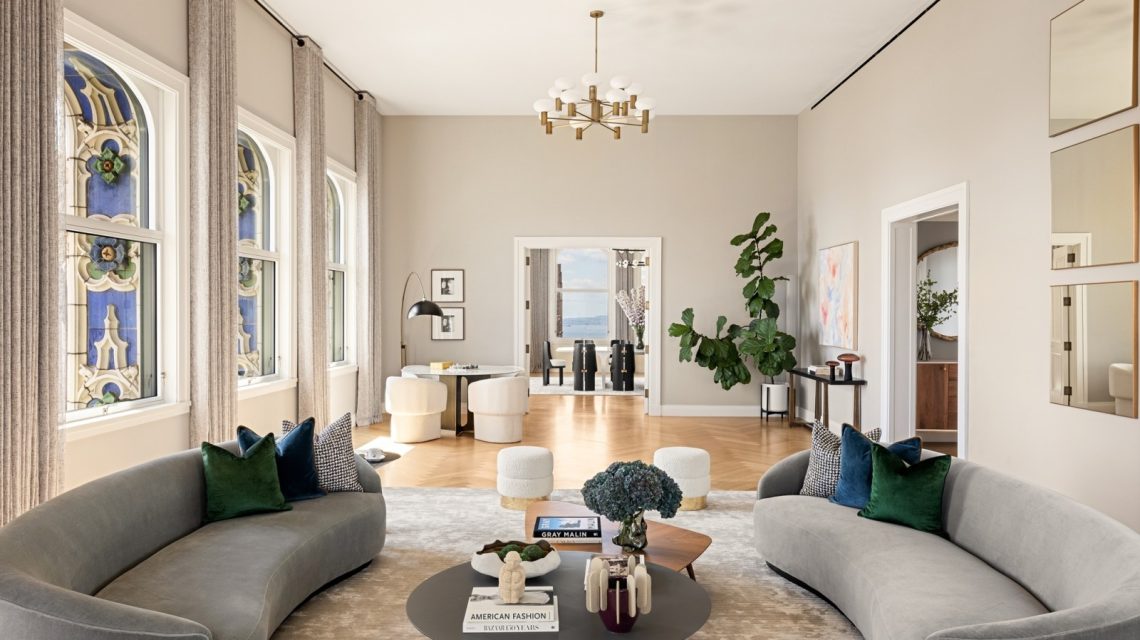
Located in the Tribeca neighborhood of Lower Manhattan, this Gothic-style tower contains luxury residences, including the 40th-floor Residence 40 at 2 Park Place. This residence is currently listed for $18.5 million. The private office once belonging to Frank W. Woolworth, the founder of the Woolworth Company, has been converted into a vast four-bedroom, full-floor home stretching over 6,000 square feet, providing stunning views from 516 feet above City Hall Park.
Unique within the building, Residence 40 boasts 15-foot ceilings and the original polychromatic terra-cotta details surrounding the windows. Catherine Juracich from The Corcoran Group, the principal real estate agent for this listing, told Newsweek, “Residence 40 isn’t merely a spectacular apartment; it’s part of New York’s history.” She emphasized the rare blend of architectural significance, grand scale, and modern conveniences.
Few structures globally bear more cultural significance and architectural heritage than the Woolworth Building, noted Michelle Griffith, a luxury real estate broker at Douglas Elliman based in Tribeca. Gilbert ranks among the greatest American architects, and the Woolworth Building stands as one of his triumphs, alongside the U.S. Supreme Court building in Washington.
Adaptive Reuse in Historical Buildings
The sale of Woolworth Building’s residence highlights the growing trend in transforming major historical buildings, particularly in New York City. The Flatiron Building, another iconic skyscraper from 1902, is undergoing conversion into luxury apartments. Earlier this year, the building was illuminated for the first time in 124 years, featuring a new exterior lighting setup.
When Brooklyn’s 1909 Hotel Bossert announced plans for conversion into the Ritz-Carlton Residences, Brooklyn Heights, in September, it marked a milestone in adaptive reuse. Over time, converting existing buildings has gained traction over new construction. According to RentCafe, nearly 25,000 flats emerged from repurposed buildings in 2024—a 50% rise from the preceding year.
Gordon Gill, architect of Jeddah Tower in Saudi Arabia, told Newsweek about the opportunity for innovation in city planning. He emphasized the promise in reworking existing structures to maintain sustainability and avoid obsolescence. The American Institute of Architects reports nearly half of America’s 125 million buildings are older than 50 years, underlining the scope for reimagining these structures. Reusing old buildings can lessen carbon emissions by 50 to 75% compared to starting fresh.
Growing Demand for Historic Living Spaces
Catherine Juracich observed increased interest in homes stemming from landmark properties. She mentioned that “today’s luxury buyers seek homes with character, provenance, and a story.” These buyers are drawn to structures like the Woolworth and Flatiron Buildings for their “meticulous craftsmanship, architecture, and authenticity.” They desire modern amenities but also something unique and irreplaceable.
Eric Robinson, architect and co-founder of RODE Architects in Boston, concurs. He believes the link to history and craftsmanship is the allure. “Older buildings connect to historical details, materials, and quality construction that forges a rich atmosphere, tough or too expensive to recreate today,” he conveyed to Newsweek. Preserving these elements and adjusting buildings for modern living instills warmth, character, and local charm.
RODE Architects is revitalizing a Boston building from the early 1900s that once held a stable and blacksmith shop, crafting 44 residences. Robinson views this as an opportunity to carry history forward while offering the building a new role.
Robinson also highlighted location as another chief factor, with many historic buildings nestled in sought-after downtown areas near eateries, shops, transport, and other facilities. Additionally, he noted the practical advantage of converting existing structures into housing, especially as constructing new buildings becomes harder. Cities like Boston facilitate conversions by streamlining permits and offering tax incentives to enable developers to utilize existing structures.
Griffith concluded that “discerning, tasteful buyers” pursue these historic properties for the uniqueness and provenance that new builds lack. “These conversions merge the best facets,” she added. “They offer considerable prestige, as reproducing landmarks like the Woolworth Building is impossible. More than mere real estate, owning a converted piece presents the opportunity to become part of its narrative.”
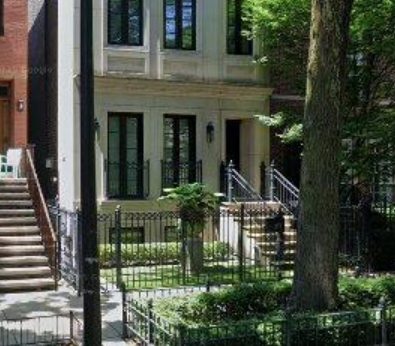 Coby White Sells Mansion in Lincoln Park
 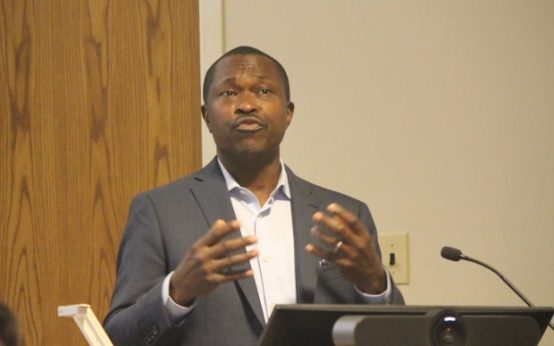 Downtown Skokie Hotel Project Shows Signs of Progress
 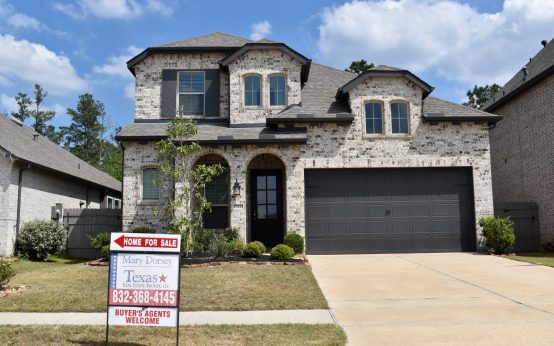 Impact of Baby Boomer Property Transfers on the Housing Market
  Mortgage Rate Surpasses 7 Percent Amid Economic Challenges
  Inland Empire Faces Rising Housing Costs
  Waterline Tower Transforms Austin Skyline