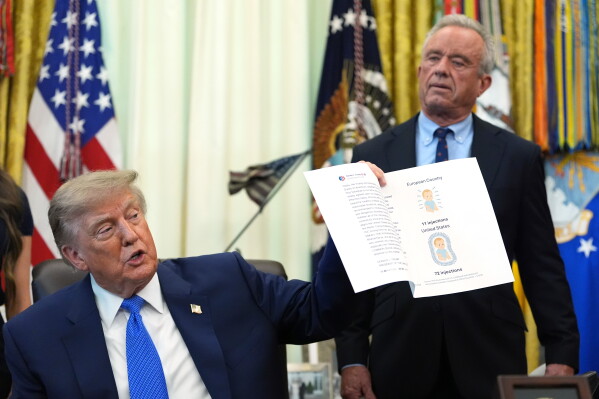
Doctors have raised concerns about President Donald Trump’s recent executive order regarding vaccines, calling it misguided and potentially fear-inducing among parents. This criticism arises as measles continues to spread, immunization rates decline, and children are returning to school.
Many families are finishing up that back-to-school checklist, and among those things is the medical checkup and assuring that their kids have their vaccines,
said Michigan pediatrician Dr. Molly O’Shea. To put into question the safety or efficacy of these vaccines right now is really unfortunate and ill-conceived.
Controversial Vaccine Changes
The executive order, signed on Monday, advocates separating the measles, mumps, and rubella (MMR) vaccine into three different shots and administering all childhood immunizations at separate appointments when feasible. It also includes changes to the childhood vaccine schedule previously attempted by Trump’s health department but blocked by a federal judge. Robert F. Kennedy Jr., a leading figure in the anti-vaccine movement, heads this department.
Trump has suggested a potential link between the number or timing of vaccines and rising autism spectrum disorder rates, although extensive studies show no connection. He has also implied the MMR vaccine could be harmful.
Dr. Paul Offit, a vaccine researcher at Children’s Hospital of Philadelphia, stated that these recommendations are not based on science and are irresponsible during the largest measles epidemic in over 30 years. The harm that it will cause is to induce chaos and confusion into the system, so people aren’t sure what they’re supposed to do,
he explained.
Reactions from the Medical Community
Doctors have strongly refuted Trump’s characterization of the MMR vaccine as lethal. They emphasize that the vaccine has undergone extensive safety studies and monitoring, similar to other childhood vaccines, and has been proven safe.
Dr. O’Shea emphasized that separating the vaccines is scientifically incorrect; a better immune response occurs when they are administered together. Currently, no separate vaccines for measles, mumps, and rubella exist in the U.S., but Trump’s order directs the health department to develop a plan for creating them.
Trump spokesperson Kush Desai claims this separation may provide parents with more scheduling options, potentially enhancing vaccine uptake. However, doctors criticize Trump’s revival of debunked theories linking vaccines and autism. Autism rates have been rising, with recent data indicating that approximately 1 in 31 children in the U.S. has autism spectrum disorder. Scientists cite broader definitions and greater understanding of autism’s traits as reasons for this increase, emphasizing the role of genetic and environmental factors.
Dr. Andrew Racine, president of the American Academy of Pediatrics, confirmed that extensive research worldwide shows no link between childhood vaccines and autism. It’s really misguided and unfair to families,
commented Dr. O’Shea.
Competing Vaccine Schedules Create Confusion
Trump’s comments and order have caused confusion about the timing and type of vaccines children should receive. In his first year, Kennedy attempted to change immunization guidelines by replacing a 17-member vaccine advisory committee with individuals who suggested restrictive measures later blocked by a federal judge. These measures included vaccines for 11 diseases, with additional vaccines categorized for at-risk children or decided through discussions with doctors.
Meanwhile, the pediatrics academy continues to recommend vaccines for 18 diseases in its 2026 schedule. Dr. O’Shea explained that this schedule has been carefully designed to provide safety as a child’s immune system matures.
Despite vaccine availability, insurance is expected to cover recommended vaccines, as Medicaid, CHIP, and private health plans will support them through 2027.
Concerns Over Increasing Vaccine Hesitancy
Doctors fear that rising confusion may lead to increased vaccine hesitancy among parents. U.S. kindergarten vaccination rates have been declining, with exemptions reaching a record high in the 2024-25 school year. Experts worry that some families might skip important vaccines, increasing the risk of preventable diseases between appointments.
Parents deserve clear, evidence-based guidance about how to protect their children, not competing recommendations issued through political processes,
said Michael Osterholm, an infectious diseases expert at the University of Minnesota. When families receive conflicting messages, confidence in vaccination suffers, and children ultimately bear the consequences.
This article is based on content provided by the Associated Press Health and Science Department, with contributions from medical writer Mike Stobbe and video journalist Mary Conlon.
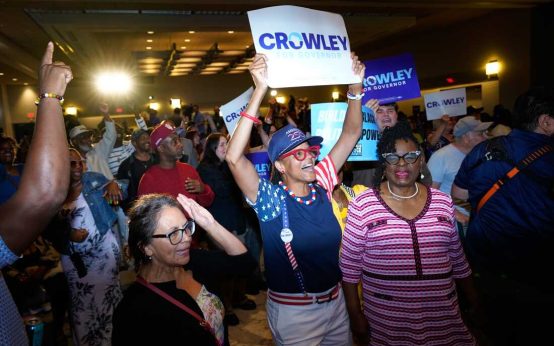 David Crowley Secures Democratic Nomination for Wisconsin Governor
  Centrist Democrat David Crowley Secures Wisconsin Primary Victory
  Minnesota House Speaker Lisa Demuth Wins Republican Gubernatorial Primary
  Trump Demands Iran Pay Reparations for Decades of Damage
 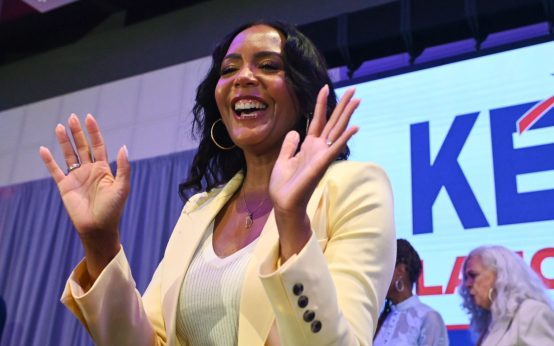 Georgia’s Gubernatorial Race: A Close Contest Between Bottoms and Jackson
 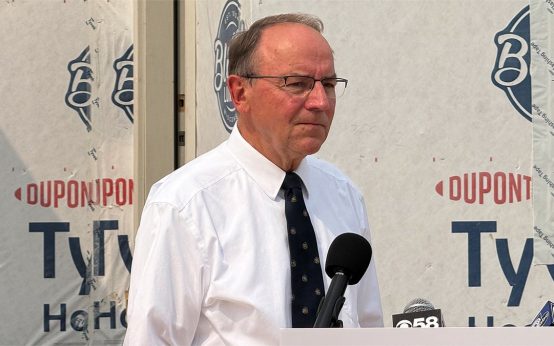 Center-Left Establishment Triumphs in Wisconsin Democratic Gubernatorial Primary