The Department of Justice (DOJ) is actively pursuing lawsuits against three states due to their policies granting tuition benefits to illegal immigrants. This move has sparked a debate on state versus federal authority in higher education benefits. The DOJ argues that laws in Vermont, Connecticut, and New York advantage illegal immigrants over U.S. citizens in accessing tuition benefits.
A report from Fox News highlights that these actions by the DOJ reflect an ongoing commitment to litigate against states providing benefits to illegal immigrants not available to U.S. citizens. To date, the Trump administration has filed lawsuits against 21 states on this matter.
“Colleges cannot provide benefits to illegal aliens that they do not provide to U.S. citizens,” commented Brett A. Shumate, Assistant Attorney General of the DOJ’s Civil Division.
The lawsuits delve into significant discrepancies in tuition costs for in-state versus out-of-state students. For instance, the University of Washington’s in-state tuition is $13,406 compared to $44,460 for out-of-state students. This represents a substantial financial benefit of $31,054 for illegal immigrants who fulfill specific residency conditions.
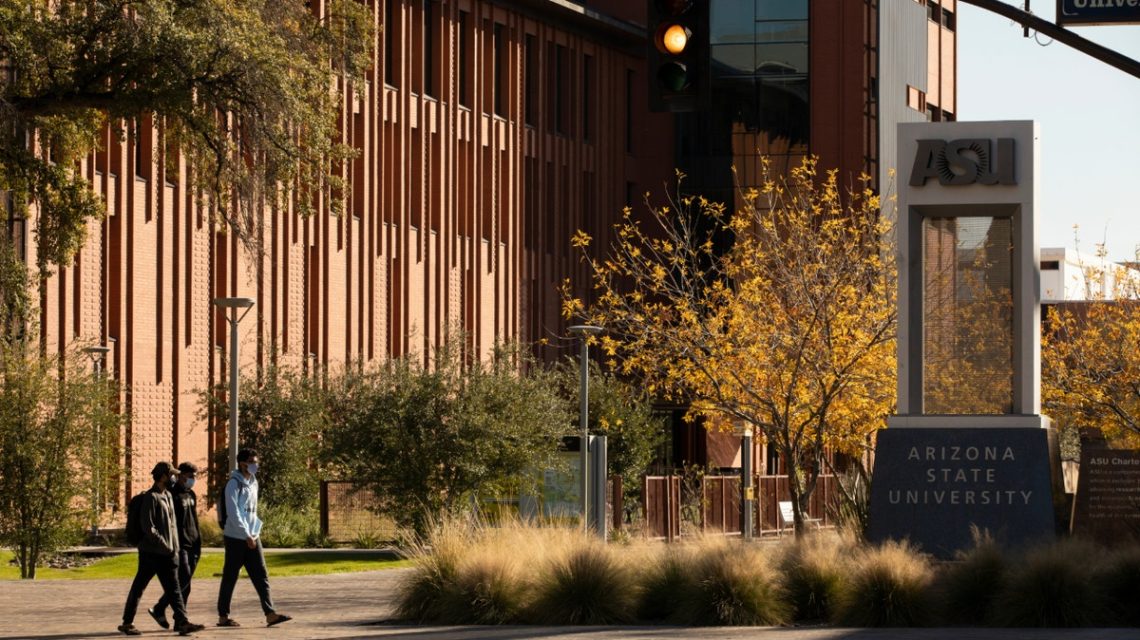
In Arizona, the largest disparity noted is at Arizona State University, presenting a $24,448 differential between in-state and out-of-state tuition. The lawsuit indicates that in 2025, Arizona State University provided in-state tuition benefits worth $10.5 million to 432 illegal immigrant students.
Additionally, Oregon laws allow illegal immigrants to qualify for scholarships, such as the Rural Nurse Scholars Scholarship, which is exclusive to in-state students. This pattern of state laws raising concerns underlines a clear conflict with federal regulations.
The current legal environment is complicated further by an estimated 408,000 illegal immigrants enrolled in higher education, with a significant portion having arrived in the U.S. at 17 years of age or older.
States currently facing or potentially facing similar legal actions include Minnesota, Virginia, California, New Jersey, Kansas, Massachusetts, Rhode Island, Maryland, Colorado, in addition to others.
 Zelensky Challenges Trump Over Russia Diesel Deal
  Trump Plans Rally to Support Senator Roger Marshall Amid Tight Kansas Race
  Michigan Senate Candidate Faces Scrutiny Over Family Ties
  Trump’s Diesel-Deal Feud with Zelensky Obscures a More Important Effort
  Democratic Endorsement Shift in Montana Senate Race
  Arizona Voters Prioritize Water Concerns in Upcoming Midterms