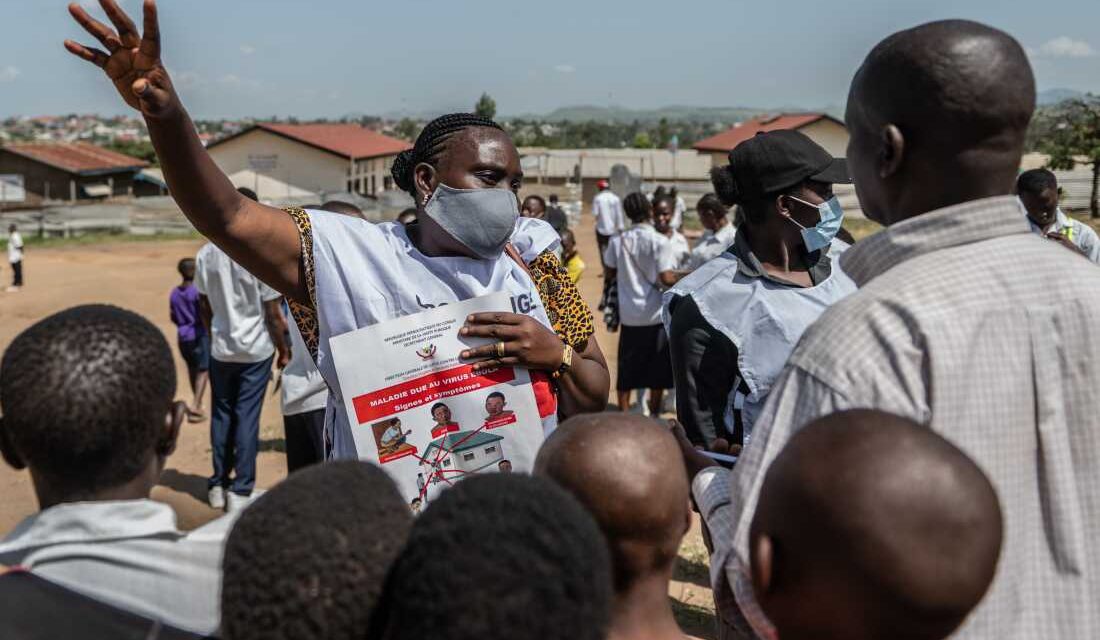
In Bunia, Congo, the Ebola outbreak presents severe challenges. Vanny Birungi, a Red Cross volunteer, faces significant difficulties as she educates the public about the virus. She contends with the rare Bundibugyo type of Ebola, which lacks a vaccine and treatment, and hostility from skeptical residents. Some express anger and disbelief, believing that Ebola is a fabricated issue. “The disease is real,” Birungi insists, although acceptance varies.
Bunia’s instability complicates aid efforts. Inhabitants, weary of conflict and distrustful of outsiders, resist efforts to curb the outbreak. Disease surveillance suffers from reduced international aid, compounding difficulties for health workers.
“These people should stop bothering us. They just want to get rich. Let’s not forget that Ebola is a white man’s invention,” says Pierre Basola, a 56-year-old Bunia resident.
Attacks on health facilities exacerbate the situation. Healthcare centers have faced aggression, including assaults and arson. Recently, young men attacked a hospital, and another site was torched by residents. This hostility stems partly from restrictions preventing families from traditional burial rites, heightening tensions.
Ebola spreads through contact with body fluids from infected individuals, posing a high risk to caregivers and families. Trust issues hinder health response efforts. “Trust is almost as important as the health response,” explains Heather Kerr from the International Rescue Committee. Insecure travel conditions further impede aid workers reaching affected areas like Mongbwalu, over 1,000 kilometers from Kinshasa.
The outbreak now threatens nearly 1,000 lives with over 220 suspected deaths, WHO’s Director General Tedros Adhanom Ghebreyesus reports. He acknowledges the reactive struggle against a rapidly progressing epidemic.
“We leave everything to God,” says Mado Nditamba, a 70-year-old Bunia resident, voicing despair over the escalating crisis.
Congo’s history with 17 Ebola outbreaks suggests it should be prepared, but early missteps delayed appropriate testing. Limited facilities for testing Bundibugyo Ebola and insecurity hamper responses, while several health workers have contracted the disease and some died.
Uganda also reports some infections related to Congolese travel. Worryingly, three Red Cross volunteers died after handling bodies, suggesting earlier outbreak origins. Mistrust continues as some residents deny Ebola’s existence. Humanitarian groups like Action Aid emphasize the need for community engagement to combat skepticism.
Despite the ongoing response, the extent of the outbreak may exceed reports. Both WHO and the Africa Centers for Disease Control believe case numbers are underreported, underscoring the need for clarity and improved community relations.
 Potential Changes in Medicare Reimbursement for Lab Tests
  Understanding and Addressing the Complexity of Suicide
  Recall of Meat Products from Star Meat Delivery Inc.
  Questions Arise After Presley Gerber’s Death in Rehab
  Upcoming Concerns and Influence in Health Politics
  Fraud Task Force Saves Billions by Tackling Obamacare Misuse