
SOKOTO, Nigeria (AP) — Maryam Aminu was hardly surprised when her youngest of six children was diagnosed with malnutrition in April for the second time. She struggled to regularly feed the 18-month-old, let alone provide nutritious food. The family, located in northwest Nigeria, faced worsening economic difficulties after February when Shehu Aminu, her husband, lost his job as a taxi driver due to a hike in gasoline prices caused by the conflict in Iran.
Maryam stated, “Though I suspected it, I felt sad and angry when he was diagnosed the second time because I knew why. Times are tough and food isn’t constant,” as she spoke in the unfinished living room of her two-bedroom home in Kware, Sokoto, while charcoal stove ash swirled around.
The recurrence of malnutrition among children has become increasingly common in the state and across northern Nigeria, according to local health and aid workers who attribute this trend to the ripple effects of the war in Iran. Northern Nigeria is among the world’s poorest regions, already strained by an insurgency crisis. The conflict in the Middle East has intensified food insecurity for millions living in poverty, particularly children.
Additionally, sweeping economic reforms by Nigerian President Bola Tinubu induced high inflation following the removal of fuel subsidies three years ago and currency devaluation. The World Bank reported that 139 million Nigerians are now impoverished or vulnerable to poverty. UNICEF forecasted that if the Middle East conflict continues, up to 23.4 million more children might fall into monetary poverty — lack of income or consumption — by year-end. They warned at least 80% would be in Africa and Asia.
UNICEF’s Executive Director, Catherine Russell, highlighted, “Children are paying the price of conflict intensifying in the Middle East, including those far from the region. The longer it persists, the worse the outcomes.”
Impending Threats to Children
Amidst the warfare in Iran, the Strait of Hormuz’s closure — a pre-war passage for a fifth of the world’s oil and gas — triggered worldwide chain reactions. The global fuel shock increased the prices of gasoline, goods, fertilizers, and airline tickets.
In Nigeria, fuel prices jumped from 800 naira (0.58 USD) per liter in February to 1,400 naira (1.02 USD) in April, impacting food and essential item costs. U.S. President Donald Trump has endeavored to fully reopen the route, employing airstrikes, naval blockades, negotiations, and threats.
In Sokoto, where soaring prices have brought more hardship, health workers conveyed to The Associated Press that child malnutrition relapse cases surged this year. Hospital records in Sokoto reflected nearly 40 children previously treated for malnutrition returning for care since February, excluding undocumented cases. Health worker Halimah Muhammad voiced concern about the rising numbers, “I worry and sometimes feel angry about the increase we’re witnessing.”
Beyond present challenges, price hikes and economic struggles suggest that children in poor households are likelier to suffer long-term growth delays. Russell from UNICEF, while visiting Sokoto, remarked in an AP interview, “Their development will be compromised. There’s less chance they’ll stay in school as their parents face immense financial pressure. Thus, the long-term implications for children are absolutely dire.”
The conflict also disrupted fertilizer supplies and rolled up prices, threatening the planting season and worsening northern Nigeria’s mainly farming communities’ plight, battling deadly conflicts with armed groups.
“I wake up unhappy every morning, realizing I can no longer support my family. Earlier, 2,000 naira sufficed for a nutritious family meal. Now, 5,000 naira is needed for what 2,000 naira once bought,” lamented Shehu, Maryam’s husband. His meals mostly consist of pap, a type of corn pudding, and rice. “There’s no way to feed the kids,” he added.
Poor families in northwest Nigeria are caught between bandit groups specializing in ransom kidnappings and expanding Islamist militants. Analysts state, the Iran war exacerbates the effect.
“This distant war offers no relief for northern vulnerable populations,” said Ikemesit Effiong, partner at SBM Intelligence, a Lagos-based geopolitical risk consultancy.
Larai Malami, a 35-year-old mother of 10, delivered her last child in December, but the baby faced malnutrition twice. Her family struggled since her husband lost his motorcycle job and crossed to neighboring Niger seeking employment. Malami frets over fuel costs, as it keeps food prices high and her husband away, “I fear the child may never fully recover.”
Aminu shares this worry, hoping for her children to be vibrant and full of life.
For more on Africa and development: The Associated Press receives financial support from the Gates Foundation for global health and development coverage in Africa. AP is solely responsible for all content. Consult AP’s philanthropic work standards, sponsors list, and funded coverage areas at AP.org.
This story was translated from English by an AP editor with AI assistance.
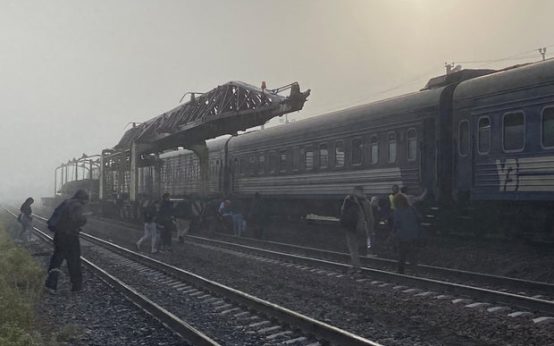 U.S. Plans for Permanent Army Base in Poland Amid Tensions with Russia
  Examining Testosterone Therapy for Menopausal Women
  Berlin’s Mayoral Race: A Candidate Inspired by New York Leadership
 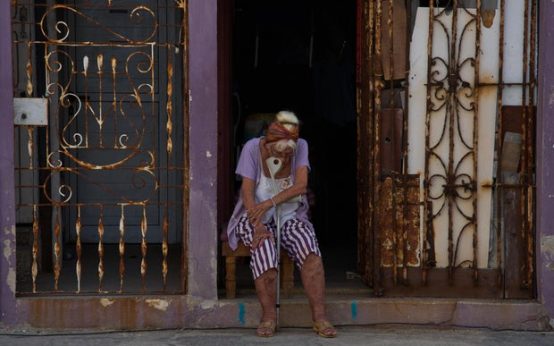 Cuba Faces Sixth Power Grid Collapse Amid U.S. Fuel Blockade
  Daring U.S. Rescue Mission in Iran
 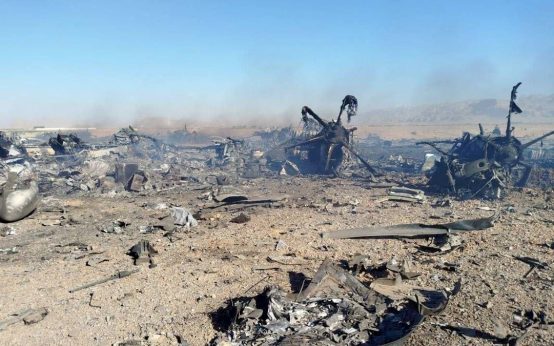 Inside the Daring Rescue of American Airman in Iran