Elon Musk’s recent comments targeted Waymo’s robotaxis, describing them as ‘pet destroyers’. During a Tesla Owners of Silicon Valley livestream, Musk shared Tesla’s updates on its robotaxi, capable of detecting pets at night.
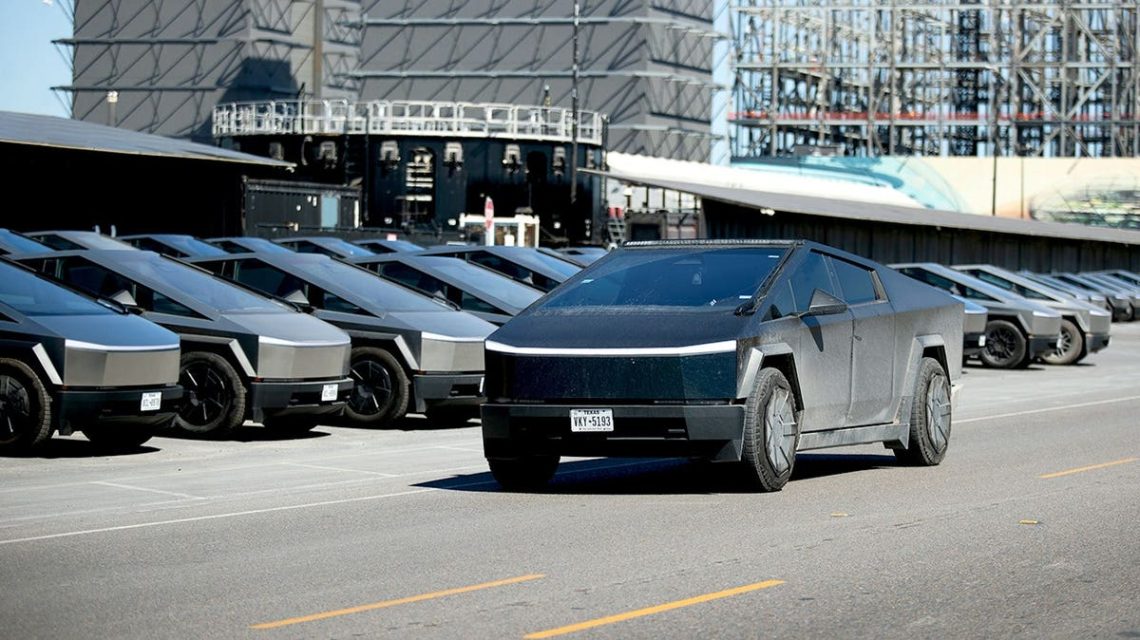
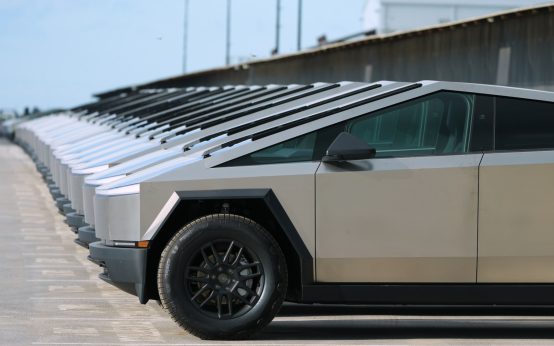
Tesla’s Cybertruck grabbed attention with its unique design, featuring sharp angles and a stainless steel body. Public reaction was mixed, but undeniable. Musk’s vision of the Cybertruck leading the future of pickups is now in doubt. Plans are underway to scale back its production by mid-2027, pivoting to focus on Cybercab production instead.
Upcoming Changes for Cybertruck
In a recent post, Musk announced plans to adjust the production at Tesla’s Texas factory to prioritize the Cybercab. There is no confirmation on whether this means relocating Cybertruck production or ending it entirely. However, the current demand and sales figures provide some reasons for this strategic shift.
Initial enthusiasm for the Cybertruck was impressive. Reservations reached 250,000 within five days of its launch, with Musk forecasting annual sales to match these numbers. Yet, actual sales fell short. Reports indicate Tesla sold 38,965 Cybertrucks in 2024, 20,237 in 2025, and 11,586 in the first nine months of 2026. Price hikes further dampened sales, with the Dual-Motor AWD version now starting at $82,490.
Recalls Affect Cybertruck’s Reputation
Beyond sales, recalls have impacted Cybertruck’s reputation. Since 2023, the National Highway Traffic Safety Administration has recorded 11 recalls, with some addressing issues that demanded physical repairs. Noteworthy recalls included one in April 2024 for accelerator pedal issues and another in March 2025 for potential hazards from detaching trim panels.
The Cybertruck’s 2019 reveal also caused a stir when two of its windows cracked during a demonstration. This incident became widely discussed before the initial vehicle deliveries.
Tesla’s Vision for Cybercab
As Tesla transitions toward focusing on the Cybercab, these self-driving taxis represent a key part of Tesla’s future. The vehicle, lacking a steering wheel or pedals, is designed for fully autonomous travel. This service began operating in Austin, Texas, from September 2026, despite ongoing safety certification reviews.
Musk’s emphasis on this new tech reflects a significant bet on self-driving vehicles. The shift away from the Cybertruck signals Tesla’s aim to embrace the next level of automotive innovation.
Considerations for Current and Prospective Owners
For existing Cybertruck owners, Tesla maintains warranty and service support, with specific terms available on their website. However, the future availability of replacement parts remains uncertain. Potential buyers should weigh the long-term availability of service and parts, review warranties, and consider safety recalls.
Limited production might influence the Cybertruck’s resale value, but market demand will play a crucial role. Buyers should remember to evaluate long-term ownership costs, beyond the allure of new technology.
Kurt’s Insights
The Cybertruck’s journey prompts reflection on Tesla’s strategic decisions. Musks’s shift to Cybercab could reshape Tesla’s future. Yet, Cybertruck owners deserve transparency and assurance on continued support for their investment.
For tech insights, visit CyberGuy.com, where Kurt offers valuable information and tips.
 Peggy Johnson Leads Agility Robotics to Public Success
 The Impact of Technology on America’s Gambling Crisis
 AI and Mobile Tech Fueling Gambling Crisis in America
 Dana White’s Potential Role as White House Press Secretary
 The Impact of AI on Academic Hiring
 Tesla to Discontinue Cybertruck Production Amid Growing Challenges