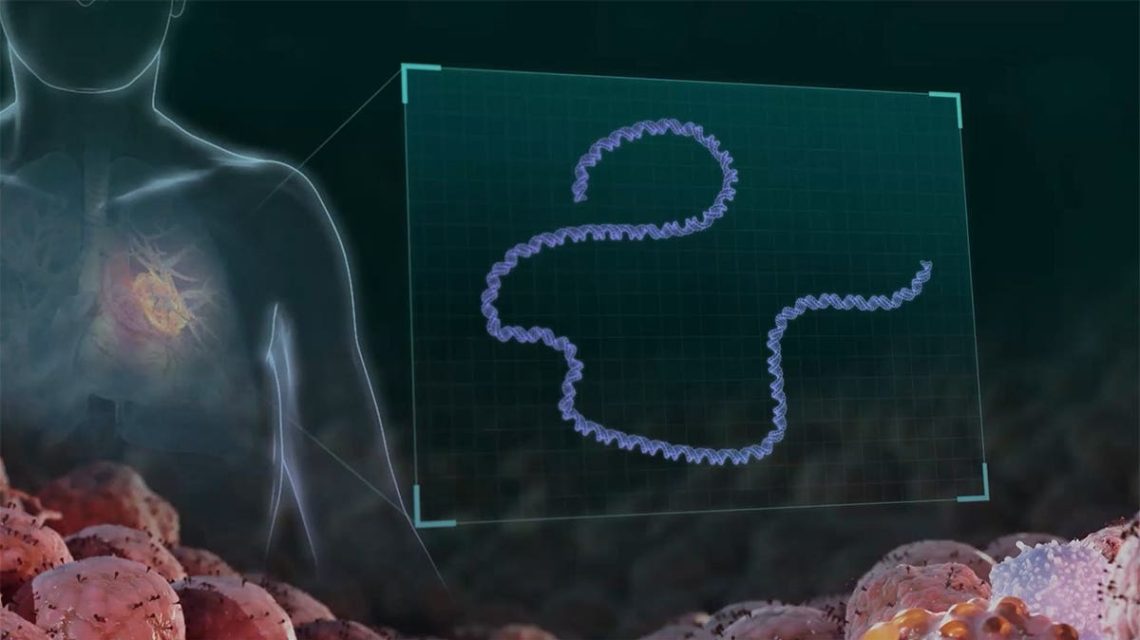
An experimental skin cancer vaccine has shown significant promise in reducing the risk of melanoma returning or spreading. Developed by Merck and Moderna, this vaccine has delivered positive results in a Phase 3 clinical trial.
Known as INTerpath-001, this trial evaluated 1,137 global patients who underwent surgery for high-risk melanoma, ranging from Stage IIB to Stage IV. Patients received either Keytruda paired with the personalized vaccine or Keytruda with a placebo. Results showed those receiving the combination experienced better recurrence-free survival. This means the cancer was less likely to return compared to those who received only Keytruda. The vaccine also improved distant metastasis-free survival, indicating patients lived longer without cancer spreading to distant body parts.
A phase 3 finding marks a significant moment for cancer research.– Stéphane Bancel, CEO of Moderna
The custom-tailored mRNA vaccine operates differently from traditional vaccines. Instead of protecting against external viruses, it trains the body to target leftover cancer cells post-surgery. Doctors sample both cancerous and healthy cells after surgery. Advanced algorithms then analyze the tumor’s genetic sequence to select up to 34 tumor-specific neoantigens for the personalized treatment.
Dr. Murad Alam, chief of dermatology at Northwestern Medicine in Chicago, highlighted that not all melanomas behave the same way, making traditional therapies less effective. This personalized immunotherapy targets specific issues in individual patients.
It’s a precise immunotherapy targeting only tumor-specific cells.– Dr. Murad Alam
Merck and Moderna plan to discuss potential regulatory filings with global authorities. This individualized approach directs the immune system to tumor-specific targets without affecting normal cells. Future plans include testing vaccine technology against other hard-to-treat cancers like lung, bladder, and kidney cancers.
Dr. Alam mentioned the crucial role of artificial intelligence in selecting the most effective antigens for the vaccine. Countless laborious hours become manageable due to AI advancements.
AI allows for quick and efficient vaccine creation tailored to individuals.– Dr. Murad Alam
Following the successful trial, Merck and Moderna plan engagement with regulatory bodies including the U.S. FDA. Although significant, the findings remain preliminary. Long-term effects on cancer-free survival and life extension are still unknown. The results rely on investigator assessments rather than independent review.
Merck reported side effects were consistent with earlier studies and noted no new safety concerns. The positive benefits of the vaccine include minimal side effects compared to strong cancer medications. Mild side effects include fatigue, chills, and injection site pain.
 Trump Administration Alters Vaccine Guidelines
  Providence Health Plan Collapse Affects Over 64,000 Seniors
  Health Consequences of the Boyle Heights Warehouse Fire
  Personalized Cancer Vaccine: A Potential Breakthrough in Medicine
  Challenges and Changes at CDC Under New Leadership
  Jill Biden Discusses Concerns about Joe Biden’s Health During 2024 Debate