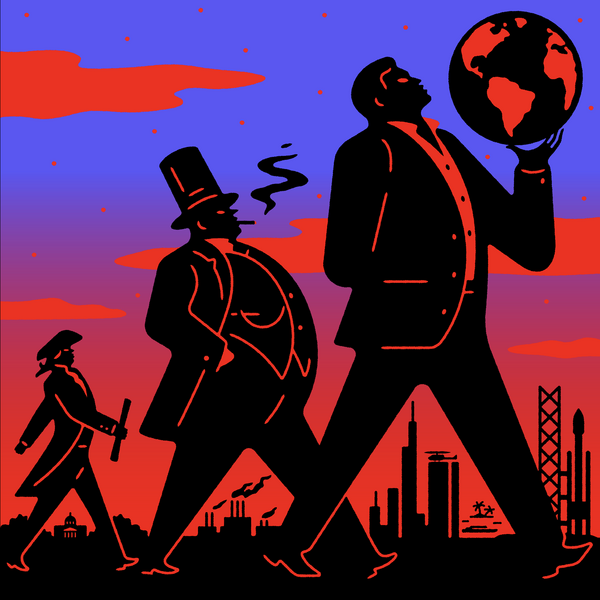
Some prominent figures in Silicon Valley now express doubts about contemporary egalitarian ideas. They even show disdain for the concept of equality.
Peter Thiel, a tech investor involved in companies like PayPal and Palantir, shared his views in his 2014 book, “Zero to One.” He described an economic world where “a small few radically outstrip all rivals.” He claimed this power dynamic is “the law of the universe.”
Last year, Elon Musk shared on the platform X his view that “humanity is a biological bootloader for digital superintelligence.” This implies we serve as mere inputs for wealth-generating enterprises.
Carlos Carvalho, president of the University of Austin, delivered a convocation address titled “In Defense of Inequality.” Individuals like Peter Thiel and other tech leaders support this institution.
These expressions of inequality might seem new and unconventional in political thought. Many Americans believe firmly in equality for all. The idea that “all men are created equal” in the Declaration of Independence was radical, but it is now taken for granted in society.
Yet, the United States has a long history of anti-egalitarianism, especially in economic contexts. Dr. Carvalho, in his speech, acknowledged that we are “created” equal. However, voices throughout history suggested that despite the tension between political democracy and capitalism, inequality should be seen as natural and even beneficial.
 Criticism of Kaepernick’s NFL Draft Comparison
  Handling Rumors About Neighbors When Selling a Property
  Lane Kiffin Faces Criticism After Ole Miss Loss; Zach Ertz Returns to Eagles
 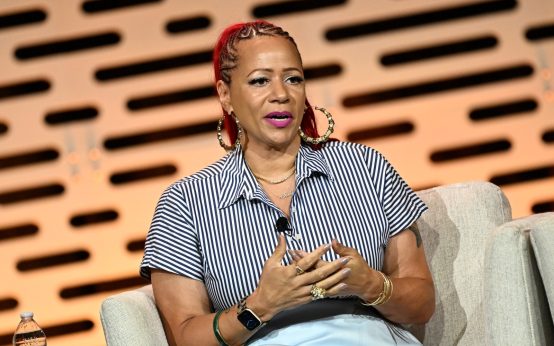 Nikole Hannah-Jones’ Reflection on School Integration and the Impact on Her Daughter
 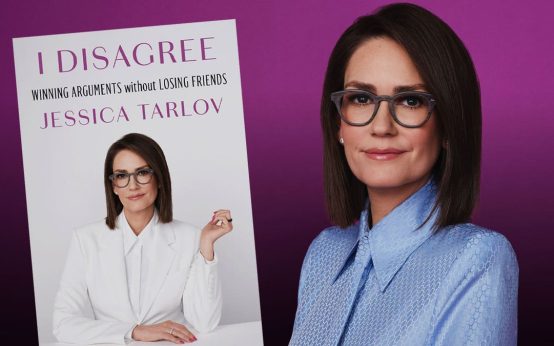 Engaging in Political Conversations with Open Minds
  Understanding Tax Debates: ‘Fair Share’ in America’s Tax System