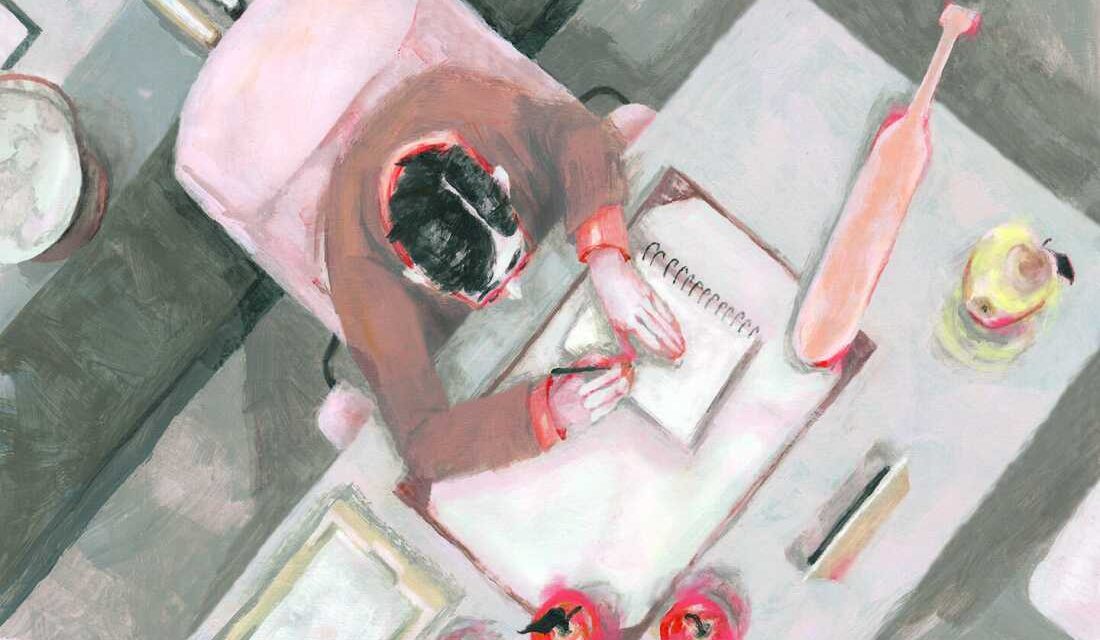
About eight years ago, Tessa Davis received a call from her son’s kindergarten in Little Rock, Arkansas. The school reported that her son, identified as C, had twisted a girl’s jacket, which they considered an attempt to choke her. The school then offered Davis two choices due to his previous behavior problems: a three-day suspension or corporal punishment.
Unable to miss work, Davis and her husband opted for paddling, a decision they quickly regretted. Following the incident, C showed increased anxiety about attending school. “He was always tense, more aware, and afraid,” Davis said, noting the lasting impact of the paddling.
Understanding Corporal Punishment
The American Academy of Child and Adolescent Psychiatry defines corporal punishment as actions causing pain or discomfort in response to misbehavior, common in some schools through paddling. Despite psychologists’ consensus on its harm, corporal punishment remains legal in certain U.S. states.
The Civil Rights Data Collection (CRDC) reported nearly 32,000 instances of it during the 2021-2022 school year. Arkansas, C’s home state, records high rates, second only to Mississippi.
State Regulations
Fifteen states allow deliberate physical discipline while 30 states and Washington, D.C., have banned it outright. Eight Southern states report most incidents. Some communities view corporal punishment as a cultural norm, tied to faith-based beliefs.
Morgan Craven, from the Intercultural Development Research Association, works to end it. She mentions that some communities resist external criticism of corporal punishment, as it intertwines with cultural upbringing.
Personal Impact and Change
Tessa Davis grew up with corporal punishment, so choosing it initially seemed natural. However, she eventually realized it exacerbated her son’s behavior rather than resolving it. “The spankings never made the behavior stop,” she concluded.
C adopted early struggled with separation anxiety, leading to poor starts at school. After this realization, Davis ceased using corporal punishment and became an advocate against its use in schools. Her son now openly communicates his actions and faces non-physical consequences.
Research Insights
Data reveals boys and minority groups disproportionately face corporal punishment. A 2021 study connected the prevalence to historical lynching practices.
The American Psychological Association warns such punishment might reduce self-worth and lead to negative outcomes, like aggression, depression, and violence in adulthood.
Diverse Perspectives
Randy Randleman, an Oklahoma psychologist, supports corporal punishment as a deterrent, a view not widely shared among professionals. He describes it as a last resort for deliberate misbehavior but acknowledges the importance of alternative strategies.
Corporal Punishment Practices
Warner Public Schools in Oklahoma, where corporal punishment is permitted, prefers local discretion on disciplinary methods. Superintendent David Vinson highlights its deterrence value, with paddlings replacing suspensions. Elementary principal Alan Gordon describes the structured procedure, asserting discipline should be responsibly employed to positively influence students.
While many question the benefits of corporal punishment, advocates like Gordon support its regulated use. Ultimately, parents and local authorities decide its role in education.
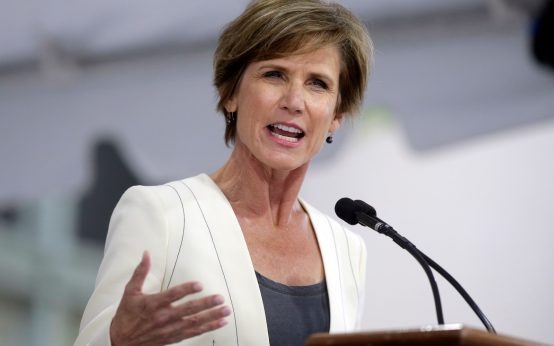 Cornell University Engages Sally Yates for Independent Sexual Misconduct Review
 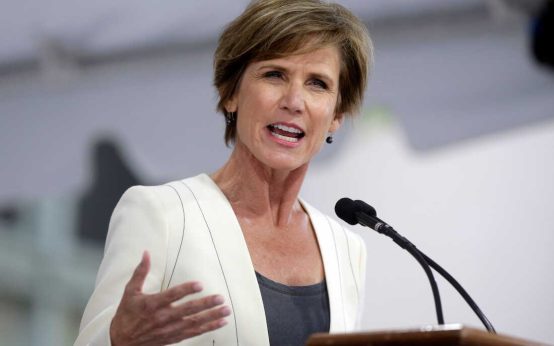 Sally Yates Leads Investigation into Cornell’s Handling of Rape Allegations
  Marmion Academy Embraces Co-Education
 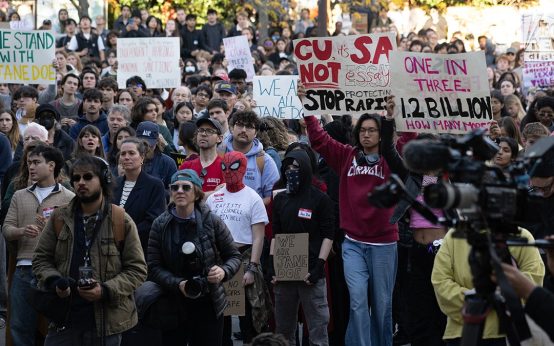 Cornell University Confronts Sexual Assault Allegations Amid Campus Protests
  Protest and Vandalism at Cornell University Over Allegations
  Exploring the Ease of Opening Private Schools