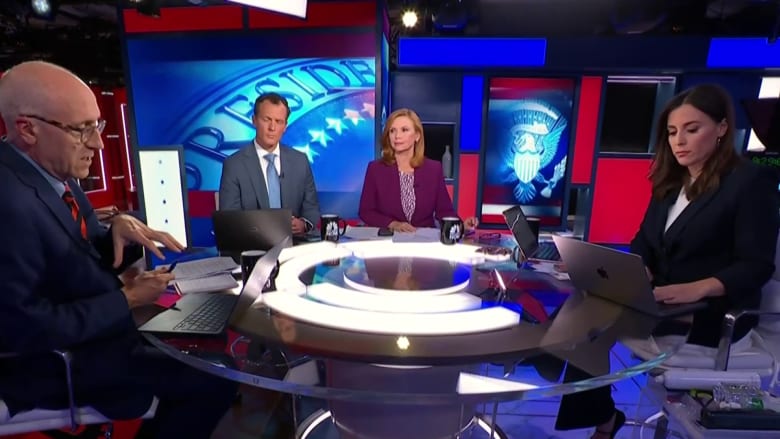
Fact Check: Trump’s Voter Roll Claims
President Trump stated that hundreds of thousands of noncitizens are on voter rolls, claiming evidence of fraud is hidden. He suggested that elections proceed without voter ID.
The White House released a document alleging over 250,000 noncitizens are illegally registered in California, Nevada, New Jersey, and Pennsylvania based on public voter rolls. However, the document lacks details on how the Department of Homeland Security verified these claims without essential personal identifiers such as Social Security numbers.
The analysis noted the promotion of the SAVE database, originally intended for verifying citizenship for government benefits, as a tool used for vetting voter rolls. However, it has a history of errors, often misflagging newly naturalized citizens as noncitizens. DHS officials maintain that the database doesn’t determine noncitizen status but flags registrations for further examination.
Additionally, the document reported about 400,000 deceased voters in 68 million registrations flagged by the SAVE database. Deceased names can remain on voter rolls due to the design focused on registration rather than removal. Election officials conduct regular updates, cross-referencing death records and obituaries to maintain accuracy. Registrants not flagged may stay on rolls due to inactivity per federal law.
China’s Alleged Election Interference
Trump claimed that Chinese election interference is possible, but experts disputed this, stating it’s nearly impossible due to the decentralized nature of U.S. elections. Joshua Kurlantzick, a senior fellow, highlighted that China’s influence efforts, while concerning, have not extended to altering election outcomes. U.S. intelligence concurs, finding no foreign manipulation of U.S. elections.
Documents indicating Chinese targeting of Biden’s campaign during the 2020 election were released. These documents suggest cyber activities aimed at gathering intelligence, but no direct interference in the electoral process was confirmed.
Reaction and Evidence
After Trump’s speech, Democratic leaders and election officials responded, rejecting his claims about the integrity of U.S. elections. They emphasized post-election audits and the use of paper ballots to ensure transparency. Publicly available voter data, including registrant names, addresses, and precinct details, is accessible to anyone, making assertions of stolen data misleading.
Election officials quickly denied any Chinese involvement, and U.S. intelligence assessments in 2021 confirmed that China did not attempt to sway the 2020 election outcome, focusing rather on general influence. The report noted no technical interference with voting processes.
Economic Context
Trump’s claim of inheriting high inflation lacks context. When he assumed office, inflation was relatively low at 2.9%, far from the high of 8.9% recorded in June 2022 under President Biden during the pandemic. Recent figures show inflation at 3.5%.
Legislative Proposals and Future Actions
Trump urged Congress to pass the SAVE America Act to secure elections, despite limited bipartisan support. Trump has also announced plans to declassify documents about election integrity and foreign interference, although previous reports found no evidence of compromised U.S. election infrastructure.
 Trump Administration Seeks to Influence NIH Grantmaking
 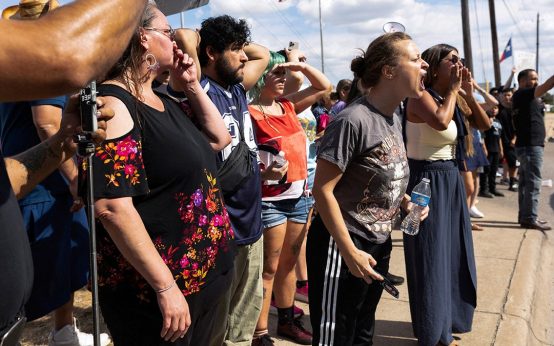 Protests in Austin: Analyzing the Coordination Behind Anti-ICE Demonstrations
 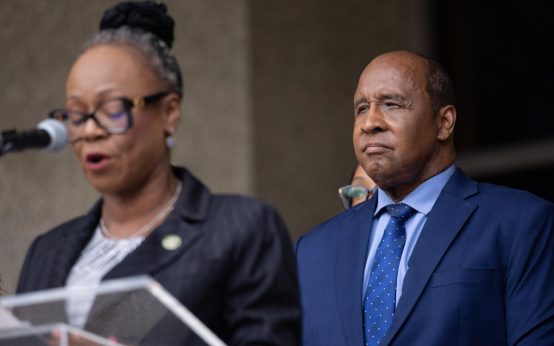 Controversy Surrounds Inglewood Mayor Amid Allegations
 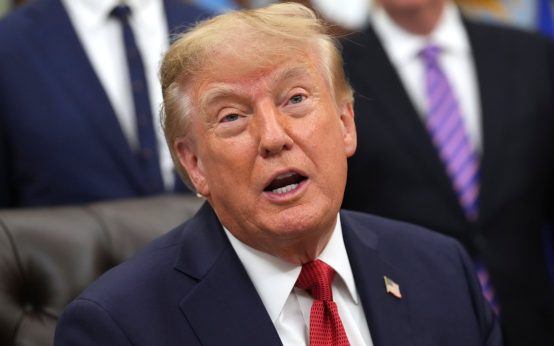 White House Launches Trump TV Amidst Press Dispute
  Media Organizations Sue Trump Administration Over Press Access
  VP JD Vance Trails Potential Democratic Contenders in Early Polling for 2028 Election