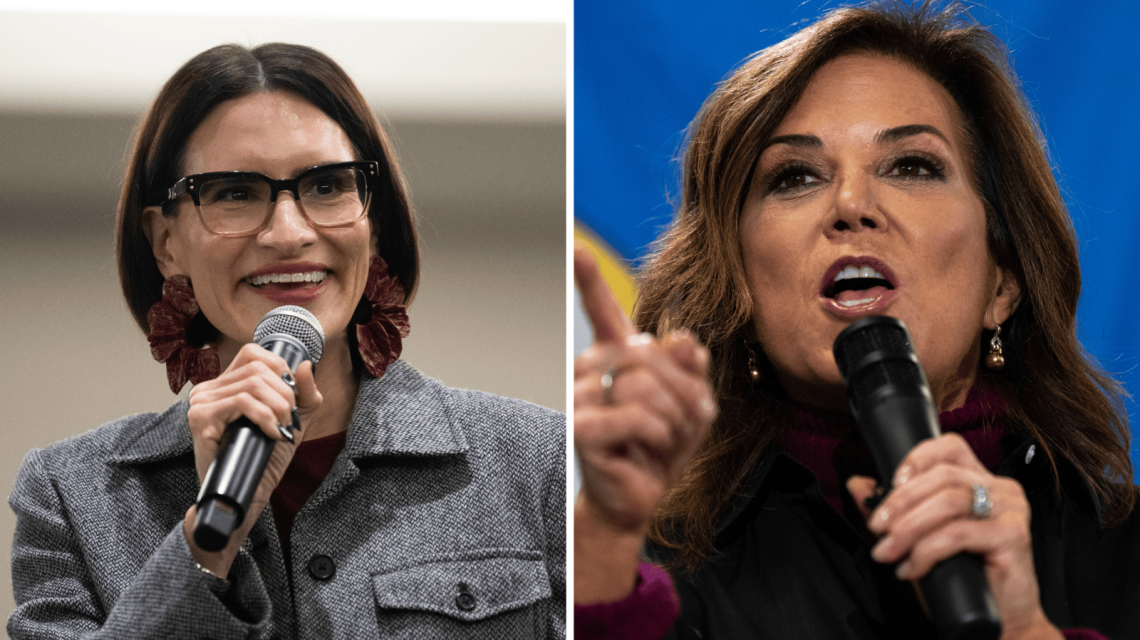
In the recent Minnesota U.S. Senate race, Democrat Peggy Flanagan defeated Republican Michele Tafoya with 53.7 percent of the vote, compared to Tafoya’s 43.6 percent. This victory was part of a broader Democratic success in traditionally Republican areas such as Texas and Ohio.
Flanagan, who serves as Minnesota’s lieutenant governor, became the first Native American woman elected to the U.S. Senate. The GOP had a potential opportunity to win the seat, highlighted by Hamline University professor David Schultz. He pointed to concerns over corruption as a driving factor for voter tendencies.
Contributing Factors to Tafoya’s Loss
Two main events affected the outcome of the election, according to Schultz. President Trump’s late endorsement of Tafoya and a federal raid on Democratic Representative Ilhan Omar’s home diminished her chances. Both events occurred weeks before Election Day.
“Tafoya was getting close to Flanagan,” Schultz said. “The Justice Department search likely gave Democrats a boost.”
Similarly, Trump’s mid-October endorsement seemed to backfire for Tafoya. Prior to this, she had maintained a distance from the former president.
Professor Larry Jacobs from the University of Minnesota noted that backlash against Trump and economic issues contributed to the Democratic win. He mentioned that other topics failed to gain traction in the voters’ minds.
In early October, polls showed Tafoya within a margin of error against Flanagan. Although a victory was improbable, Schultz believes events turned undecided voters against Tafoya. The federal raid served as a reminder of dissatisfaction with Trump’s administration.
Responses Post-Election
Flanagan expressed her gratitude to the electorate. She posted, “Minnesota, I am so incredibly grateful for each and every person who supported this campaign. Chi miigwech.” The term “chi miigwech” means “thank you very much” in Ojibwe.
On the other hand, Tafoya shared a quote on social media about democratic institutions and electoral results.
Next Steps
The current Congress will complete its duties in the lame-duck session starting on January 3. During this period, Republicans will still have control over existing committees, enabling them to manage legislative actions and appointments.
According to Schultz, Republicans in Minnesota face ongoing challenges in federal races unless they better engage urban and suburban voters in Minneapolis and St. Paul.
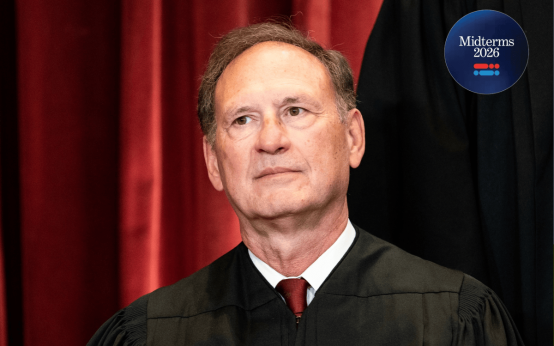 Democrats Gain Senate Majority: Impact on Trump’s Supreme Court Nominations
 Democrats Urged to Restore Checks and Balances in U.S. Politics
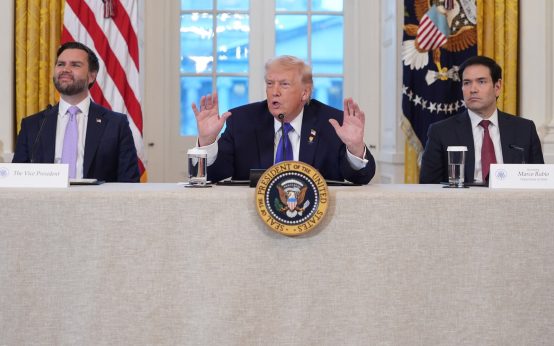 Political Shifts Pose Challenges for Vance and Rubio in 2028
 Comedians React to Trump’s Response After Midterm Elections
 California’s Proposition 40: A Contested Billionaire Tax
 Establishing a Process for Protracted National Crises