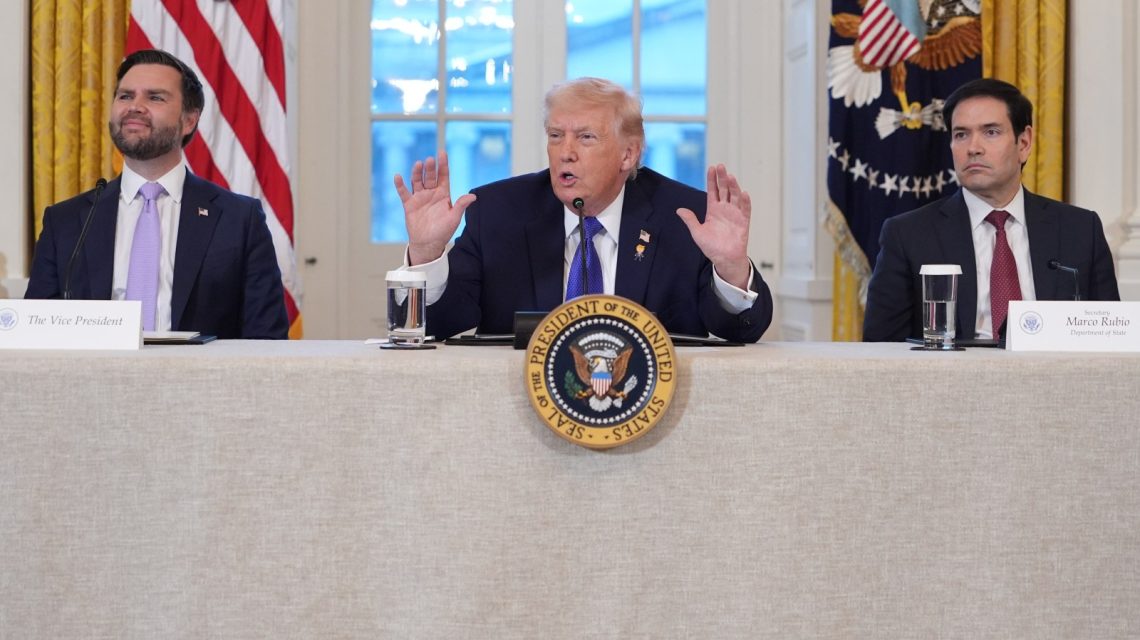
As dawn broke on Wednesday, Vice President JD Vance and Secretary of State Marco Rubio faced a political landscape transformed by the midterm election results. Democrats secured control of both the House and Senate, a major blow to the Republican Party and its future prospects.
Democratic Victories
Democrats gained Senate seats across several states, including Texas, North Carolina, South Carolina, Ohio, Kansas, and Iowa. In Texas, Democratic candidate James Talarico’s victory over Ken Paxton marked the first statewide Democratic win since 1994. Ohio saw Democrat Amy Acton defeat Vivek Ramaswamy in the governor’s race and Sherrod Brown overcome incumbent Jon Husted in the Senate race.
Republican Repercussions
The unexpected extent of Republican losses left the party in search of direction. Vance and Rubio have been seen as potential leaders of the MAGA movement, with Donald Trump’s endorsement. However, the current political climate raises questions about whether voters will continue to support Trump-aligned candidates or turn elsewhere.
Before the election, JD Vance showed a stronger base among Republicans, with a New York Times/Siena poll indicating 33 percent support among primary voters compared to Rubio’s 23 percent. However, the results have altered the dynamics.
Challenges for Vice President Vance
Vance was an outspoken supporter of Ramaswamy but failed to secure a win in Ohio. Controversy arose from a campaign ad involving Acton’s estranged mother, creating further challenges. In a social media post, Vance criticized the Iran war’s impact on the election, suggesting it contributed to Republican losses.
Trump expressed support for Vance’s view, noting the challenges of high gas prices and foreign policy conflicts. Experts like Marc Hetherington advised Vance to consider his youth and wait for a future opportunity, while others questioned his political future post-defeat.
Secretary of State Rubio’s Approach
Rubio has maintained a low profile, avoiding direct blame for his party’s setbacks. He has focused on foreign policy, particularly in Latin America, aligning with his longstanding interests. Experts predict Rubio will continue strategic distancing from the war’s fallout.
In contrast to Vance, Rubio witnessed Republican successes in his home state of Florida, albeit with slight Democratic inroads. Florida’s political landscape remains a critical focus, with potential implications for Rubio’s future candidacy.
Future Prospects and Party Dynamics
Looking ahead, Rubio’s political acumen and ties to the Latino community might serve as significant assets. He holds favorable approval ratings compared to Vance, bolstering his position within the GOP.
Nevertheless, both Vance and Rubio must tread carefully as they navigate the Republican Party’s evolving identity and potential shifts away from Trump’s influence. The 2028 race might require balancing Republican loyalty with broader electoral appeal.
 Factors Influencing Tafoya’s Senate Race Loss in Minnesota
 Democrats Gain Senate Majority: Impact on Trump’s Supreme Court Nominations
 Democrats Urged to Restore Checks and Balances in U.S. Politics
 Comedians React to Trump’s Response After Midterm Elections
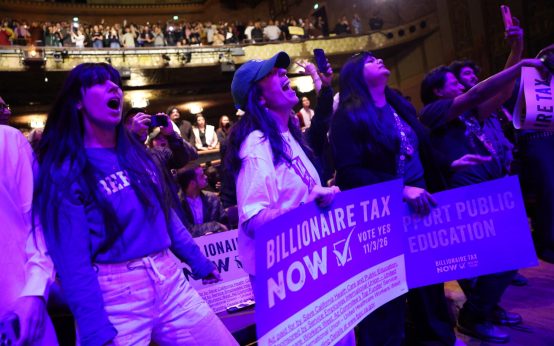 California’s Proposition 40: A Contested Billionaire Tax
 Establishing a Process for Protracted National Crises