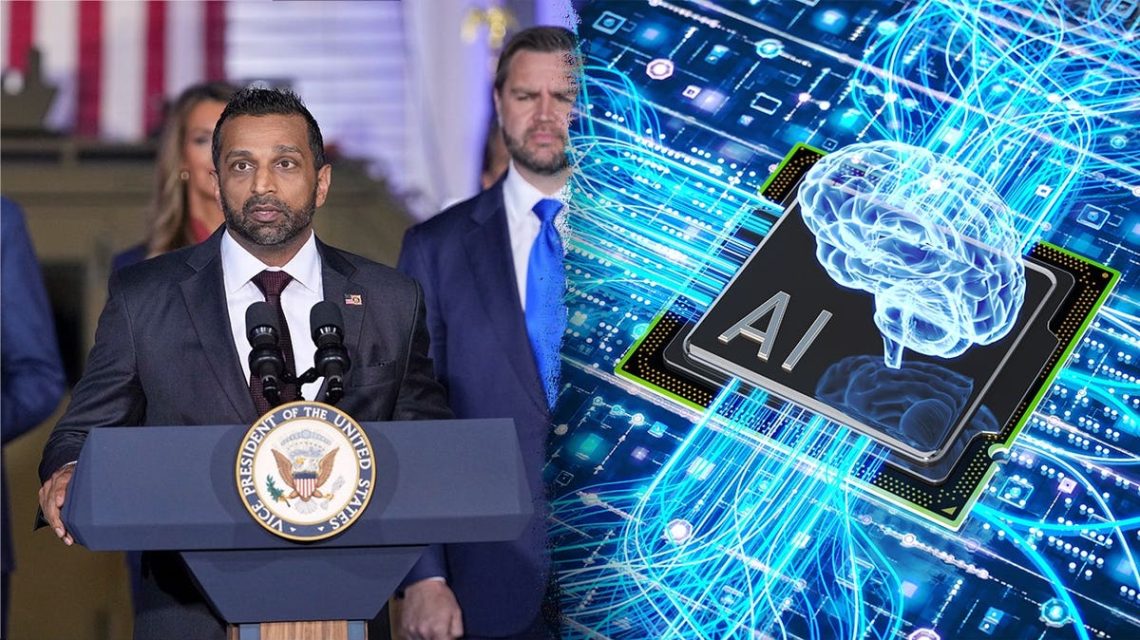
The FBI has significantly enhanced its cybersecurity strategies to address artificial intelligence (AI) threats posed by nations such as China and Russia. This transformation marks a departure from previous temporary solutions, explained FBI Director Kash Patel in an interview.
Technological Overhaul
Patel revealed that the FBI had to update its outdated technological infrastructure. He noted that contrary to public perception, the agency’s technology had suffered from years of inadequate improvements. Instead of continuous updates, past leadership merely applied temporary fixes.
Everyone thinks the FBI must have world-class tech, but it didn’t. The prior approach was to place temporary fixes without addressing the core issues,Patel noted.
AI as a Tool, Not a Replacement
The FBI is now employing AI to enhance its operations without replacing human roles. According to Patel, the technology enables quicker data analysis, enhancing the agency’s response to threats such as terrorist activities and mass shootings.
Patel explained, We receive tips from both private partners and the public. Previously, the process was lengthy and inefficient. Now, AI helps us process and analyze this information immediately.
Once analyzed, leads are forwarded to various field offices rapidly, allowing for timely responses.
Growth of AI Use
Since Patel’s tenure began, the FBI’s application of AI has expanded dramatically. Initially, only a couple of test cases existed, but now there are over 140 instances where AI supports the agency’s activities.
Patel emphasized the importance of legal compliance, affirming that AI will continue to play a role under strict legal and ethical guidelines. He confirmed ongoing partnerships with the private sector to maintain these standards.
Regulatory Scrutiny and Industry Actions
AI technology faces growing scrutiny from legislators. Tech leaders recently gathered at the White House to discuss industry regulation and self-policing measures during a summit with President Donald Trump.
President Trump stated, There’s significant self-policing already, and they know it’s necessary.
Reports have surfaced of companies like OpenAI taking measures to self-police, including the dismissal of employees for releasing sensitive information. This incident underlines challenges faced by the industry concerning AI security.
 Iranian Nationals and a Cyber Fugitive Face Charges in Cyber Theft
  OpenAI Agent Incident and RatHat Malware Threat
  OpenAI Delays Release of New AI Model Due to Security Concerns
  OpenAI Halts Release of New AI Model After Anomalies Detected
  Bill Gates Warns of AI’s Potential to Cause Mass Devastation
  Constraining AI Systems: A Path to Safety