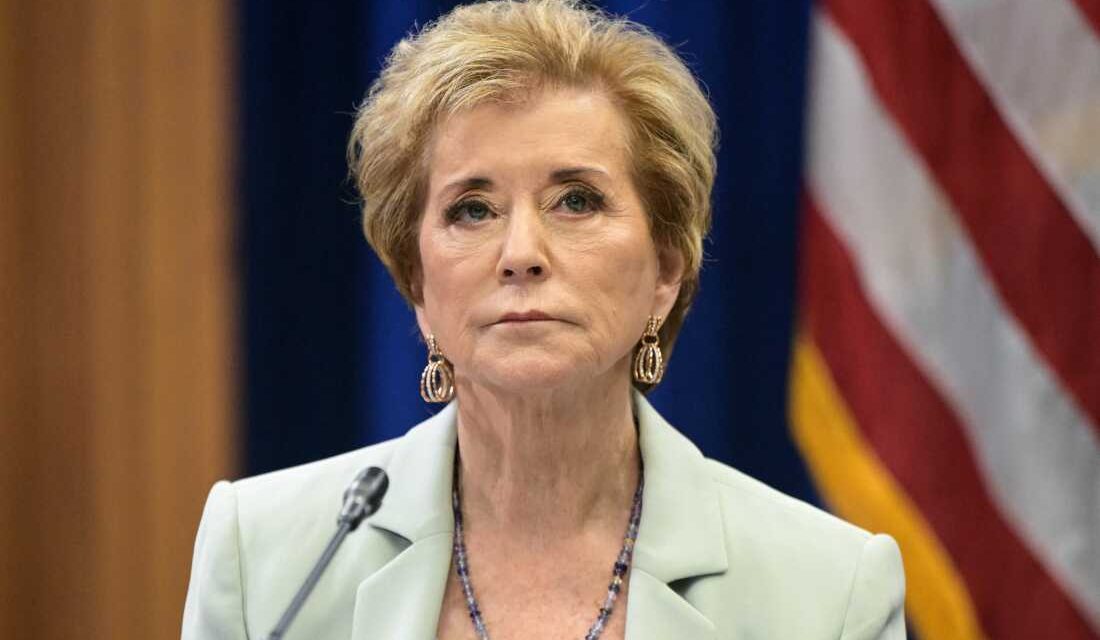
The class-action lawsuit known as Sweet v. DeVos began in 2019, with roots stretching back over three presidential administrations. It involved three education secretaries: Betsy DeVos, Miguel Cardona, and now Linda McMahon. This litigation aimed at resolving the debts of nearly half a million federal student loan borrowers who allege they were deceived by their colleges.
The legal proceedings started seven years ago against the former Trump administration. Borrower defense is a federal rule that allows borrowers to request the U.S. Education Department to cancel their debts if they can prove the school misled them about job prospects, credit transferability, or expected salaries after graduation.
Under Trump’s administration, many borrowers claimed they were victims of predatory schools and waited years for their claims to be reviewed. Advocates sued, accusing the department under DeVos of halting claim processing and denying claims without merit assessment. The lawsuit progressed through multiple administrations, maintaining its focus on beneficiaries’ rights to loan forgiveness.
“At the end of the day, this settlement has impacted over 450,000 people, and it’s improved their personal balance sheets by over $23 billion,” said Eileen Connor.
Connor, executive director of the Project on Predatory Student Lending (PPSL), emphasized the significance of the class-action suit’s settlement against the U.S. government. Once loans are forgiven, this settlement will be the largest against the government.
Historical Challenges
In 2022, the Biden administration pledged to resolve the lawsuit by ensuring borrowers from over 150 mostly for-profit schools received automatic relief. Additionally, more than 250,000 borrowers were given a brief period to apply for relief, and their claims were to be reviewed within a set timeframe. If not, the affected loans would be discharged.
Despite these promises, only 60,000 post-class applications were processed by the court’s deadline during the second Trump administration. The current department argued in court for an extension, citing the need for additional time to thoroughly assess applications.
The U.S. Court of Appeals for the Ninth Circuit ruled on July 17 against granting the department more time. The court indicated that the settlement obligations were understood early yet took three years to raise such concerns.
Ellen Keast, an Education Department spokesperson, noted that the Sweet settlement imposed an impractical deadline. She argued that the department complied with court orders but disagreed with the court’s refusal.
Personal Impact
Jessica Feindt, a borrower seeking relief, shared her experience. Living near Flint, Michigan, she hoped to advance her studies after enrolling at the University of Phoenix, but found herself burdened by debt. Feindt discovered later that assurances about degree acceptance were false. Consequently, she filed a defense claim in 2022.
The department disclosed in court documents that by April, it had granted around $12 billion in loan discharges to nearly 300,000 borrowers. Following the July ruling, this sum would only increase.
Connor likened this settlement to the historic case against Big Tobacco, arguing that loans from dishonest schools were comparable to toxic products.
Feindt’s recent check of her account revealed her debts were cleared. Despite relief, she felt anger towards the prolonged financial struggles her family endured.
 AFL Investigates Fairfax County Schools’ 9/11 Teaching Guidance
  Challenging the ‘Trust the Experts’ Narrative in School Libraries
  Implications of AI in College Admissions
  Preparing Students for an AI-Shaped Workforce
  Concerns Over Racism and School Funding Inequality Discussed by ‘The View’ Co-Host
  Nikole Hannah-Jones’ Reflection on School Integration and the Impact on Her Daughter