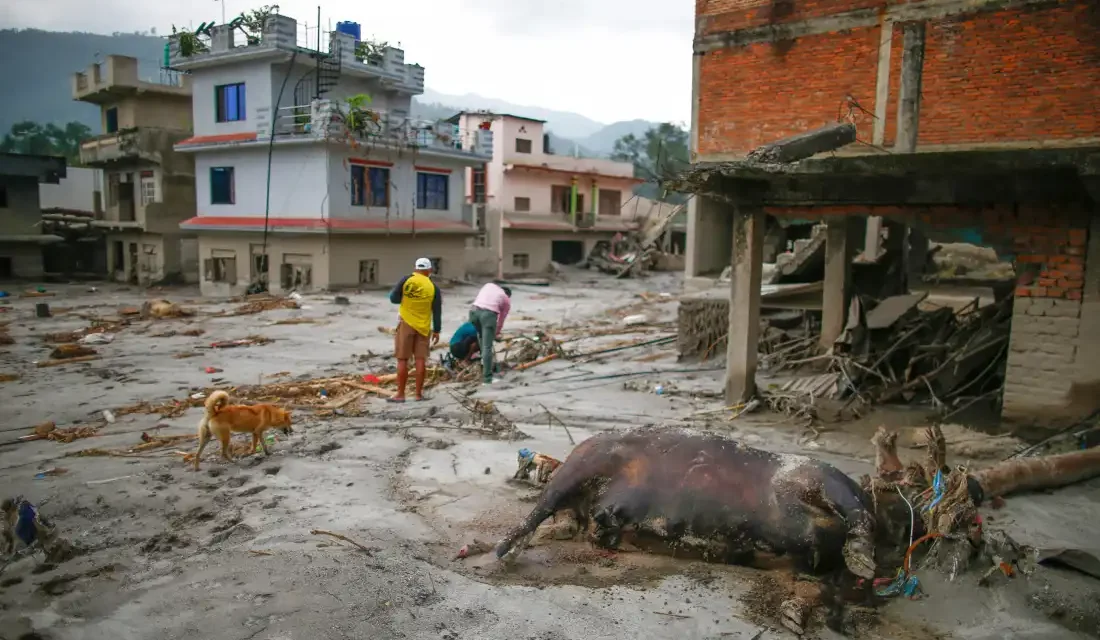
Residents in the Nuwakot district of Nepal are struggling to recover from recent catastrophic floods and mudslides. These events were caused by a glacial collapse, leading to massive debris flow along the Trishuli River. Many have died, and countless others remain missing. As rescue and relief operations continue, survivors are beginning to rebuild what was lost.
Survival and Loss
Januka Dhital, a caterer in Uttargaya, Nepal, recalls her near-death experience. She was preparing snacks when warned of impending floods. Acting quickly, she fled with her young son on a stranger’s scooter to higher ground. Her husband and daughter were elsewhere, and she feared for their safety. Hours later, they reunited, her husband injured but alive. Their home was destroyed, like thousands of others. Despite losing everything, Dhital is now committed to helping fellow survivors.
Impact of Climate Change
The glaciers melting due to climate change have compounded the severity of this disaster. Over 100,000 people face disruptions to their lives. Over 1,500 have died, and more than 5,000 remain missing. The flood damaged health facilities, schools, and essential infrastructure, worsening the situation as winter looms.
Aid and Recovery Efforts
Shyam Pathak from UNICEF describes the tragedy’s magnitude as unimaginable. Aid efforts continue, involving many working to rebuild their communities while coping with personal losses.
“I felt like I was losing my mind,” says Dhital, describing her time living in temporary shelters.
She now assists pregnant women, postpartum mothers, and young children through Helen Keller Intl, addressing malnutrition and other urgent needs. Many families have lost their food sources, shifting to packaged foods, which hampers nutrition.
Infrastructure Challenges
The floods obliterated over 100 bridges and severed mountain roads, complicating aid delivery. Ayush Joshi, with Save the Children, highlights the ongoing challenge of reaching remote areas. Pushmaya Tamang, another aid worker, shares the difficulty of traversing damaged infrastructure to provide support.
Tamang herself experienced loss and grief from the disaster, yet aids families facing similar struggles. Ongoing efforts aim to provide mental health support for these communities.
Winter Preparations and Long-term Rebuilding
With winter’s arrival, there is urgency in securing proper shelter for those still in tents. Responders focus on immediate necessities like food and medical care. Long-term planning for rebuilding homes, schools, and water systems remains a complex task. Preliminary rebuilding costs estimated at $5 billion far exceed the current aid pledges.
Tamang notes that despite overwhelming loss, aid workers are motivated by the daily work of rebuilding. “What else can I do,” she reflects, accepting the change nature has brought.
 Lewis Pugh’s Swim Through Danger Highlights Strait of Hormuz Crisis
 House Urged to Embrace Historic Permitting Reform
 California Prepares for Future Wildfire Seasons with Major Investments
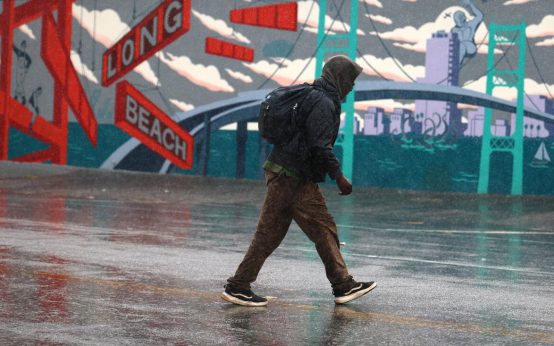 Snowstorm Brings Relief to Sierra Nevada Ski Resorts
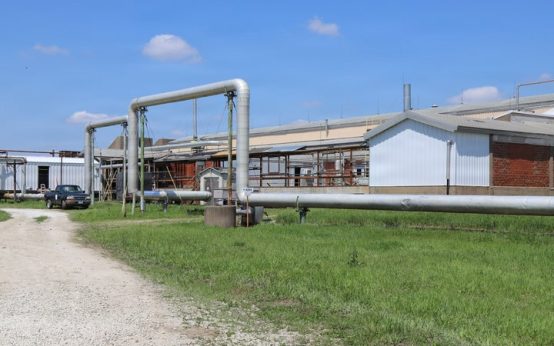 U.S. Army Postpones Chemical Detonation in Iowa Amid Public Concerns
 Efforts to Restore Areas Damaged by Hurricane Helene Using Biltmore Estate Acorns