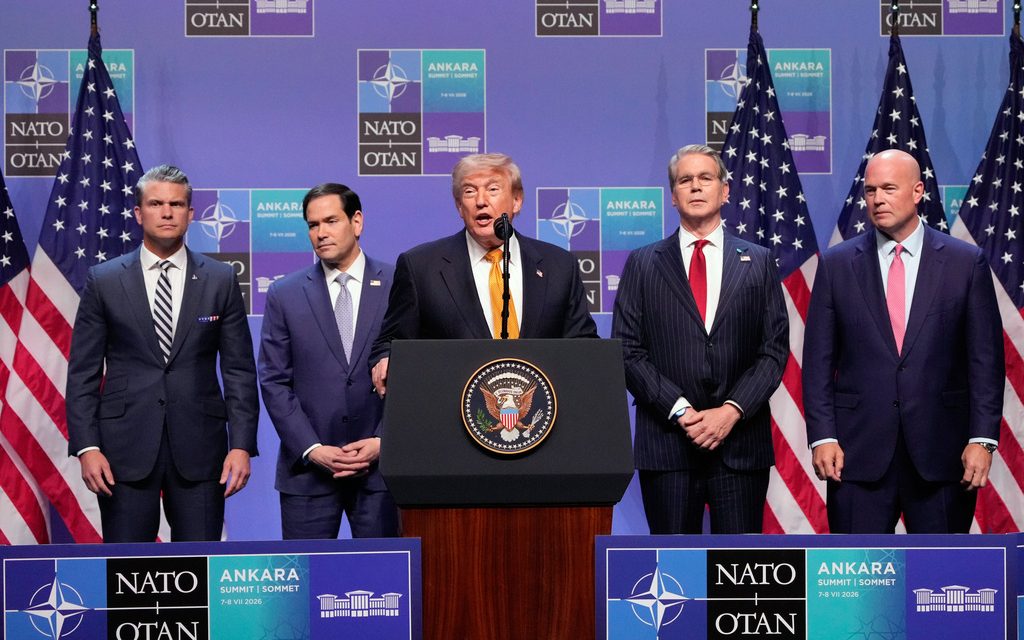
At a NATO summit in Ankara, President Donald Trump, alongside top U.S. officials, emphasizes the importance of releasing military resources globally after resolving current conflicts in Europe and the Middle East. Russia has historically used military force to achieve political goals, with Vladimir Putin’s administration resorting to aggression as a primary strategy. Actions in Georgia, Crimea, and Ukraine underscore Russia’s imperial ambitions. Furthermore, Russia’s drive for a war-time economy and its tolerance for losses and sanctions demonstrate determination.
The threat posed by Russia is significant to Eastern Europe’s democracies, with nations like the Baltic states, Poland, and NATO facing challenges. Strong responses are needed from European partners to address gaps left by reduced U.S. military presence on the Eastern Frontier. Meanwhile, China’s Communist Party uses economic and political strategies globally. Though China talks about “reunification” with Taiwan, it hasn’t engaged in major wars for centuries. Its military writings focus more on deterrence and economic leverage than open conflict.
Historically, China’s military hasn’t been tested in war’s intensity. An amphibious invasion of Taiwan would defy historical norms, as Beijing understands the consequences for its economy and political stability. The U.S. should continue to reinforce ties with Indo-Pacific allies and secure navigation freedoms. Yet strategic priorities should focus on areas with active conflict. Europe, a Western democracy stronghold, is crucial. Twice in the 20th century, American troops sacrificed there to prevent tyranny. Now, this legacy faces a major test.
Strengthening NATO and European security sends a strong message. Russia seeks to divide NATO, seeing Western indecision as an opportunity. Instead, the U.S. should show determination and strategic clarity by reinforcing NATO’s defenses. Presently, many military programs prioritize a future war with China, risking gaps in current global threats. Depleted munitions in Europe highlight weaknesses in defense capacity.
To maintain global leadership, the U.S. must address these gaps. Bolstering NATO doesn’t hinder the Indo-Pacific stance; it enhances global deterrence. The U.S. Army and Air Force need investment, with European defense relying on land and air superiority and logistics. A unified NATO deters Chinese aggression. Sustaining European defense supports peace everywhere, as Russia poses the immediate threat by altering borders.
American preparation should focus where necessary, aligning resources with present challenges. Russia’s aggression tests global resolve, and addressing this strengthens both European and Indochinese positions, thereby reducing future strategic dilemmas.
Keith Self, representing Texas’ 3rd District and a member of the House Foreign Affairs and Veterans’ Affairs committees, emphasizes the ongoing need for focused military readiness. He served in the U.S. Army for 25 years.
 President Trump Launches General Election Ads
  El-Sayed Criticizes Trump’s Economic Policies in Michigan Senate Race
  Putin’s Remarks Signal Little Prospect for Ukraine Peace Deal
  Justice Department Backs AI Industry in Copyright Lawsuit
 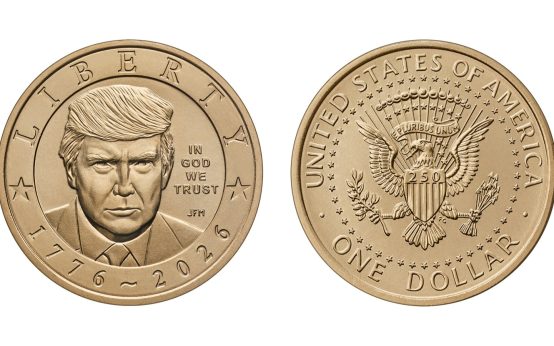 Trump $1 Commemorative Coin Sparks Interest and Controversy
  Tarrant County Reduces Polling Sites for Upcoming Elections