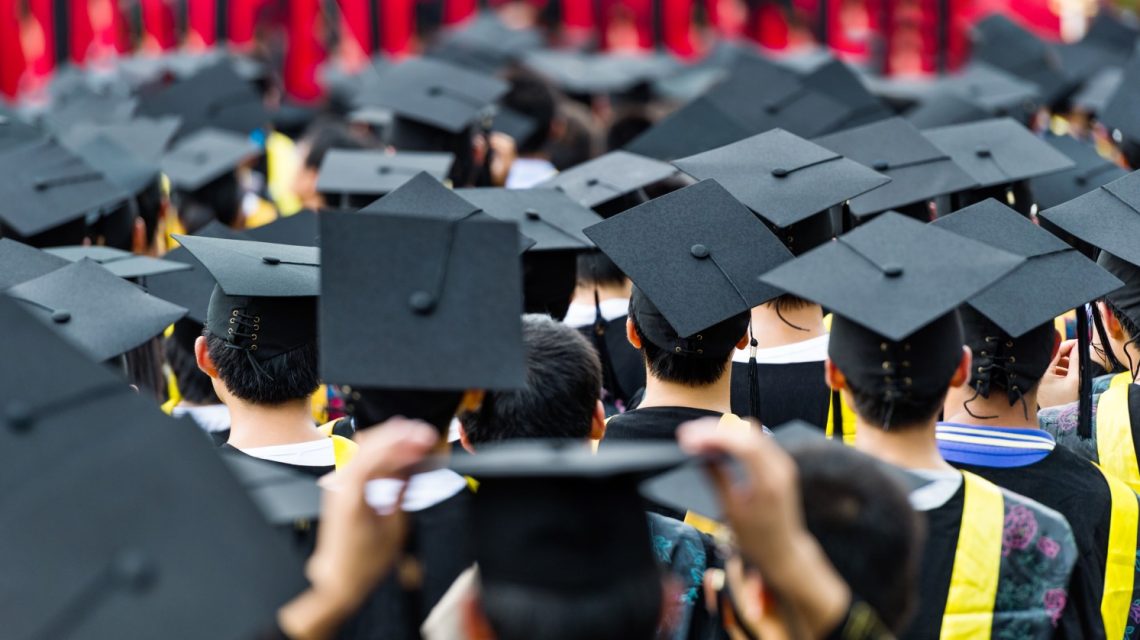
More than 440 U.S. colleges have student loan nonpayment rates exceeding 40 percent, reveals an Investopedia analysis of federal student aid data. For-profit institutions are prominently featured on this list, indicating a challenging trend.
Experts suggest that these figures highlight an ongoing issue. Colleges often leave students with debt they struggle to repay. This occurs as the Department of Education renews efforts to resume payment collections after interruptions during the pandemic.
“The price of college isn’t the tuition bill. It’s the debt compared with what that education actually helps you earn,” said Michael Ryan, founder of MichaelRyanMoney.com.
Why It Matters
Student loan delinquency is a mounting concern. With federal collections resuming and credit reporting protections ending, borrowers face serious consequences. Falling significantly behind on repayments damages credit scores and may result in wage garnishment.
Nonpayment rates vary greatly by institution. A high rate could imply graduates are not earning enough to cover their debts or that loans were taken without expected economic benefits from the education.
What To Know
Investopedia’s report analyzed borrowers entering repayment since January 2020, who were over 90 days delinquent. The Department of Education categorized borrowers based on their attended institutions, enabling comparisons.
The report identifies Florida Career College as having the highest nonpayment rate among schools with 5,000 or more borrowers. Of its approximately 28,000 borrowers, 61 percent were behind on payments by over 90 days.
“While not all for-profit colleges are equal in terms of student loan issues, their frequent appearance on the list adds to their challenging reputation,” said Alex Beene, financial literacy instructor at the University of Tennessee at Martin, to Newsweek.
Other schools with high nonpayment rates include:
- UEI College-Fresno (California): 56%
- United Education Institute-Huntington Park (California): 54%
- Tulsa Welding School (Oklahoma): 54%
- UEI College-Gardena (California): 54%
- All-State Career (Maryland): 54%
- Vista College (Texas): 51%
- Miller-Motte College (Tennessee): 50%
- Southern Careers Institute (Texas): 50%
- New England Tractor Trailer Training School (Connecticut): 49%
Nearly 1,200 colleges have nonpayment rates over 30 percent, with 440 above 40 percent.
“As inflationary pressures affect Americans, student loan repayment becomes tough to manage. This could create issues for both students and higher education,” Beene stated.
Why Are For-Profit Schools Overrepresented?
For-profit colleges often rank high due to their students borrowing more and defaulting on loans more often than those attending public colleges.
“Defunct or unaccredited colleges see students struggle, leaving them with substantial student loan debt,” noted Kevin Thompson, CEO of 9i Capital Group, in Newsweek.
Research by the Federal Reserve Bank of New York found for-profit institution enrollment led to higher borrowing and default risks, with poorer labor-market outcomes compared to public school attendees. Recent Department of Education policy changes further complicate borrower certainty.
“Many students are caught in administrative confusion over forgiveness eligibility,” remarked Thompson.
What Happens Next
The Education Department under the Trump administration emphasized accountability for schools linked to poor student outcomes. Lawmakers may continue scrutinizing such institutions.
Repayment data offers significant insights into a school’s long-term value. High nonpayment rates suggest difficulty in achieving financial stability post-graduation.
“Some will face years of lower credit scores and restricted capital access,” Thompson said. “We could see declines in birth, marriage, and consumption rates, with adults living at home longer.”
For this story, contact Newsweek editors Jason Lemon and Edward T. Cummins.
 Gallaudet University Supports Incoming Students with ASL Program
  Gov. Newsom and UC Faculty Discuss SAT/ACT Reinstatement
  University of Michigan’s New Grading Policy Sparks Debate
  Report Predicts Significant Drop in International Students at U.S. Colleges
  University of Michigan Alters Freshman Grading to Address Mental Health
  Howard University Faced Enrollment Controversy Amid New Academic Year