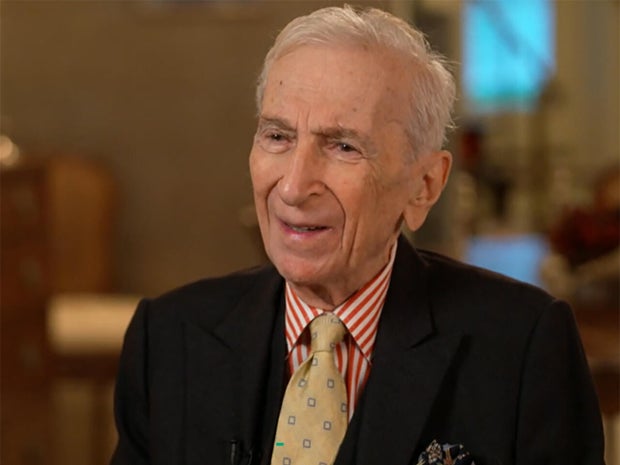
In 1969, Gay Talese published “The Kingdom and the Power,” a detailed exploration of the internal conflicts at The New York Times. Talese, known for his meticulous, novel-like non-fiction writing, took six years to complete the book. He remarked on the nature of journalists, stating that they often focus on the world’s imperfections, driven by a fascination with dramatic events.
Talese’s career spans around 70 years, with notable achievements and controversies. Recently, the New York Public Library acquired his archives, highlighting his significant contributions to journalism. His first article for The New York Times focused on a sign broadcasting headlines, leading to a lifelong ambition to shine a light on lesser-known individuals.
Robert Boynton, a professor at New York University’s Arthur L. Carter Journalism Institute, praised Talese’s curiosity. An instance of this trait is when Talese stopped to interview a construction worker while on his way elsewhere. In 1965, as Esquire magazine attracted talented writers, Talese produced his famous piece “Frank Sinatra Has a Cold,” despite Sinatra’s refusal to be interviewed. Talese crafted the story by speaking to over 100 of Sinatra’s close associates, a technique celebrated in journalism education today.
Talese’s storytelling approach, described by Boynton as “cinematic,” was innovative during a period dominated by more straightforward writing styles like those in publications such as Time and Newsweek. Even with his achievements, Talese maintained a practical view on fame, often ready to move on to his next project.
Talese’s writing extended to profiles of sports icons and unique personal stories. His interactions often began with simple observations, leading into more profound narratives. Boynton encourages students to adopt a “Talesian” approach, emphasizing thorough research and personal presentation.
Talese is known for his commitment to getting stories right, sometimes immersing himself in the worlds he covered. For “Thy Neighbor’s Wife,” he lived among those he wrote about, which led to personal challenges but enriched his writing. Married to editor Nan Talese for 67 years, he reflects on their enduring relationship, hinting at a long-promised book on their marriage yet to be completed.
At 94, Talese disclosed his battle with Parkinson’s, yet he continues to write in his basement office in New York, surrounded by carefully archived notes and photos. He aspires to leave behind a legacy of work without embarrassment, confident that he consistently did his best.
 Hamilton Wings Dissolution Marks End of an Era in Elgin
  Celebrating Two Decades of ’30 Rock’: A Cultural Analysis
 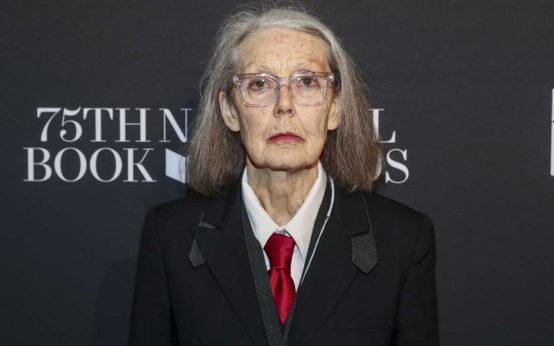 Anne Carson Named Nobel Laureate in Literature
 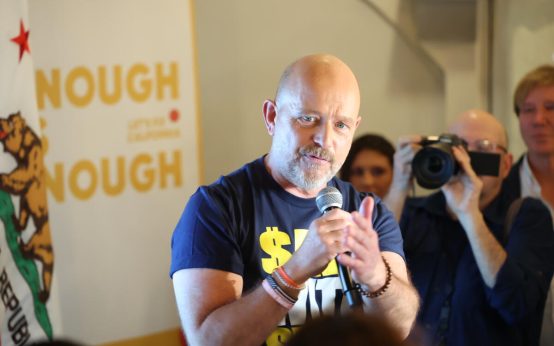 Understanding Immigration and Identity in California Politics
 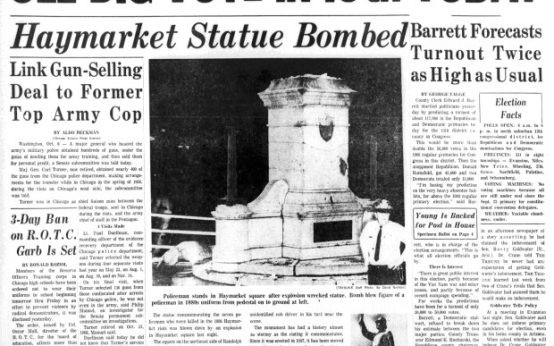 Chicago Area Historical Events: A Detailed Look Back
  Restoring the Basilica of Saint Francis of Assisi with AI and Technology