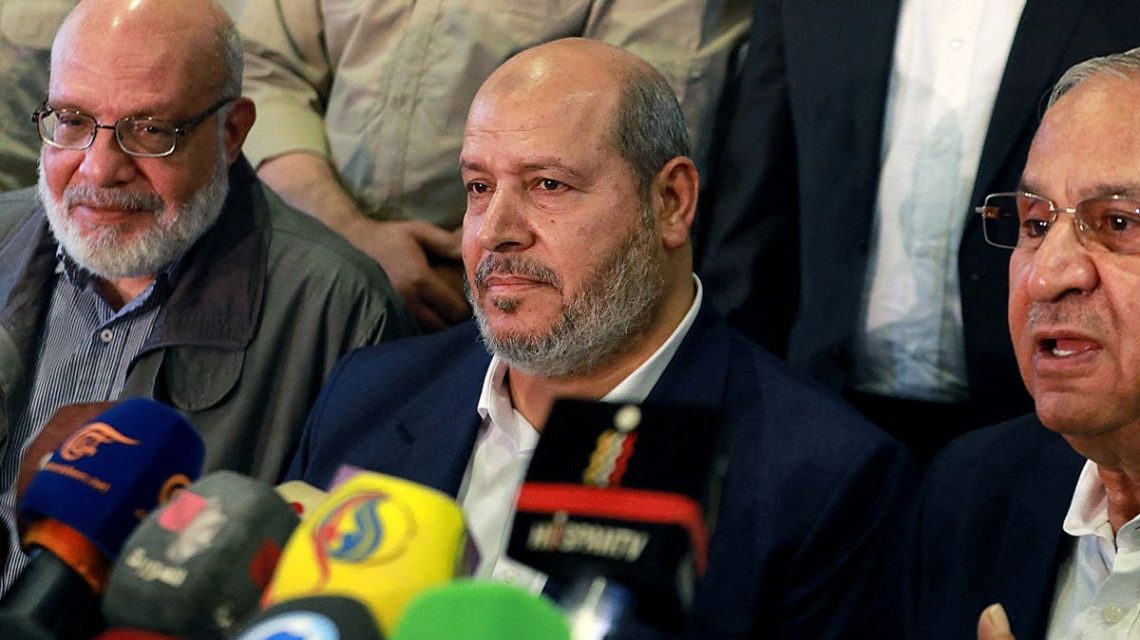
Following the assassination of top Hamas leaders by Israel, many residents of Gaza express frustration with the Hamas leadership. While senior Hamas figures were targeted, civilians have borne much of the war’s brunt. Jusoor News reports on the local sentiment.
A new political leader has emerged within Hamas through a secretive insider election. Khalil al-Hayya, known for his negotiation skills, is set to lead the political bureau. He has survived several assassination attempts. According to Jaser AbuMousa, a Senior Fellow at the Middle East Institute, this change does not mark a shift in Hamas’s strategy. AbuMousa asserts, “Expect more of the same… with ceasefire talks and prisoner exchanges ongoing, but not signaling moderation.”
Hamas Leadership Transition
Al-Hayya assumes the role after years of being the chief negotiator for Hamas in meetings with Israel concerning ceasefires and hostages. His leadership reflects a choice for stability within a beleaguered organization.
“Al-Hayya’s victory is viewed as a move for institutional survival,” notes AbuMousa, emphasizing that the destruction of Gaza since Oct. 7, 2023, has pushed Hamas toward retaining its Iranian connection and armed operations.
Despite the risks involved in the role, such as the attempt on al-Hayya’s life in Qatar in September 2025, leadership within Hamas is seen as a testament to resilience. A noted paradox in Hamas is that the leadership role often equates to a “death sentence,” making positions vacant for extended periods.
Impact and Future of Gaza
Al-Hayya’s elevation is viewed as an emphasis on continuity over strategic reassessment. The organization has prioritized maintaining its military stance and ties with Tehran, as opposed to exploring new political directions.
AbuMousa describes al-Hayya as a leader who will operate out of the public eye, with a decentralized command to prevent the organization from being crippled by targeted strikes.
Broader Implications
The election of al-Hayya does not stem from a mandate voted on by Gaza’s 2 million residents. It was decided by a leadership council in a closed vote. Many Gazans, who have not voted since 2006, hold Hamas accountable for the current adversities they face.
Future expectations involve a possible shift in governing style. Hamas might adopt a “Hezbollah-style” governance, maintaining its military prowess and influence without holding overt responsibility for Gaza’s administration.
Reporter Emma Bussey of Fox News Digital highlights that Hamas’s tactical choices continue to influence regional dynamics, and the full consequences remain closely watched by international observers.
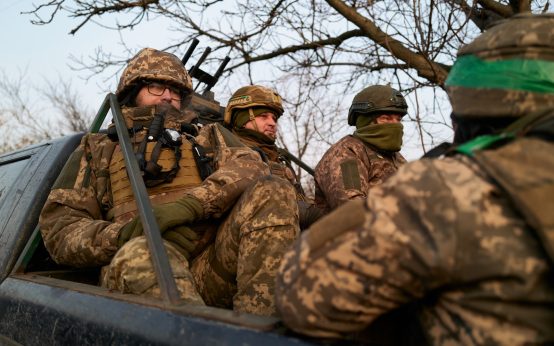 Ukraine Deploys Ground Robots in ‘Operation Vivaldi’
  Understanding AI’s Impact Compared to Historical Threats
 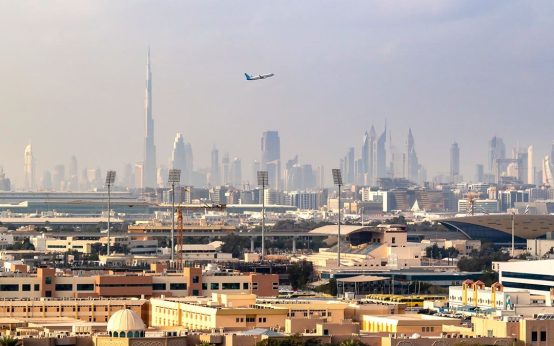 State Department Alerts on Middle East Travel Amid Rising Tensions
 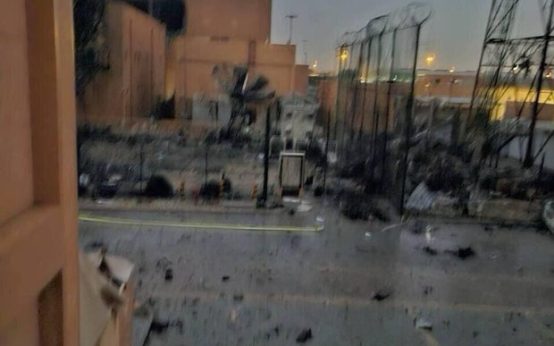 Iran’s Attacks on Bahrain: The Impact on Military Families
  United Russia’s Dominant Election Result: Implications for Putin’s Ukraine Policy
  Canada’s Tariff Reduction on Chinese EVs Raises Security Concerns