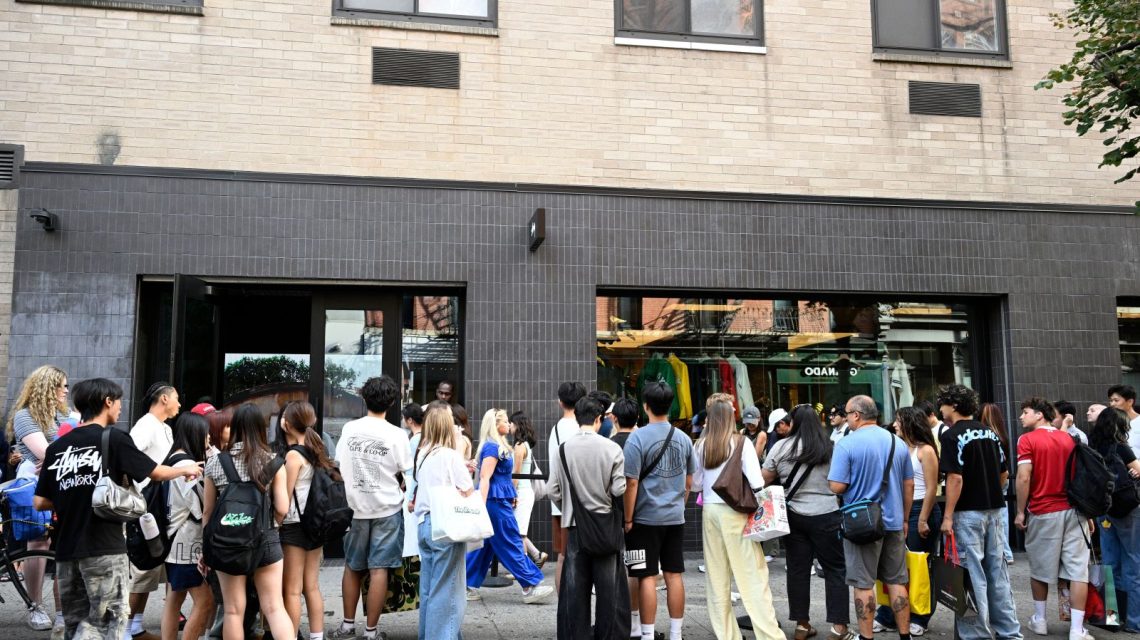
The Gen Z generation, encompassing those born between 1997 and 2012, is demonstrating an eagerness to work diligently and save earlier than previous generations. However, their savings intentions are clashing with existing spending habits among young American adults. Surveys reveal that the cost of living is a major concern for all age groups, with a July poll indicating that 95% of the U.S. populace perceives an affordability crisis. Despite these concerns, Gen Z appears reluctant to save for homes or significant milestones.
According to a report from the Bank of America Institute, Gen Z holds the lowest savings-to-spending ratio compared to other generations. This means they commonly spend more than they save each month. Remarkably, the bank’s payment data shows a rise in discretionary spending among Gen Z in areas like coffee, beauty, and travel, suggesting a preference for immediate gratification and support for the “little treat economy.” This spending trend spans all income brackets within Gen Z, contrasting with the “K-shaped” economic divide noted elsewhere.
“Younger consumers are leaning toward immediate gratification, propelling the ‘little treat economy.’ This behavior is evident across diverse income groups among Gen Z.” – Bank of America Institute
Savings Goals and Spending Habits
Gen Z faces affordability pressures alongside influences from treat economy behavior, yet shows a willingness to save. Data from Bank of America indicates that nearly 66% of Gen Z now saves in some form, an increase from 60% in 2024. Of those surveyed, 36% set aside leftover funds for savings, 22% contribute to a 401(k), and 21% use automatic savings deposits from paychecks monthly.
The adoption of “loud budgeting”—where individuals openly set financial goals and limits to normalize budgeting within means—is gaining traction, with 42% of Gen Z practicing it. Additionally, Bank of America’s 2026 Workplace Benefits Report suggests that Gen Z is saving for retirement about a decade earlier than baby boomers, feeling approximately 5% more confident about future retirement comfort.
How Gen Z Manages Affordability Challenges
Bank of America notes “Discretionary spending growth per Gen Z household has been steadily increasing since March 2025,” indicating that affordability issues have not dampened Gen Z’s pursuit of non-essential purchases. Nevertheless, a survey from May showed 42% of Gen Z live paycheck to paycheck, a figure that jumps to 73% for individuals earning under $50,000 annually.
A separate June poll by Simon-Kucher revealed that 51% of Gen Z were willing to forego long-term goals, like saving for a home, to enhance their current lifestyle. This approach contrasts with only 22% of baby boomers, while millennials had a similar readiness to prioritize present-day spending over future financial security.
Approximately 25% of Gen Z respondents reported having one or more income streams to support their expenses. Bank of America Institute highlighted that the rate of Gen Z participating in gig work is increasing more rapidly than any other generation, signifying that younger individuals may seek additional income sources.
 The Role of Home in Addressing Children’s Mental Health
  Understanding Food Safety and Storage
  Sports Highlights and Insights: Recent Events Wrap-Up
  Overcoming Chronic Lateness with Effective Strategies
  Annual Tribune Holiday Cookie Contest Celebrates 40 Years
  Rising Trends: Restaurants Combat Phone Distractions