College campuses are widely associated with a specific style of sweatshirt. Oversized with embroidered block letters depicting the name of a university, these garments are recognized globally. However, by 2026, the trendiest Gen Zers will wear shirts displaying a five-letter status symbol: PARKE.
Chelsea Parke Kramer, a Gen Z entrepreneur, transformed the classic college sweatshirt for the new era. Her brand, PARKE, has captured the attention of campuses nationwide, growing a business valued at approximately £16 million. These sweatshirts retail for around $130. The price isn’t overly steep but their appeal comes from their scarcity, making them a key status symbol among Gen Z.
The Allure of Scarcity
Parke sweaters have become highly sought-after, with collections often selling out within minutes. This demand sparks long lines and website rushes during product drops. At a recent Target collaboration, customers queued from 3 a.m., and stores sold out in under five minutes, with sweatshirts appearing on resale sites at inflated prices.
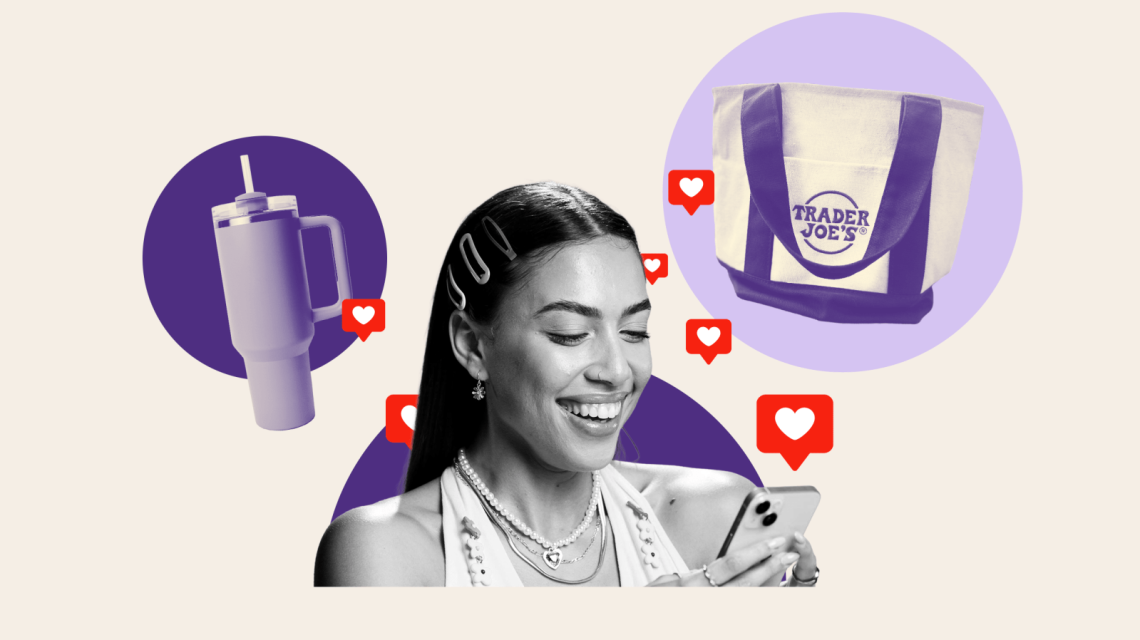
Other brands have experienced similar dynamics. Stanley cup releases at Target sold out swiftly, sparking queues and resale markups up to $250 online. Trader Joe’s seasonal tote bags also face high demand, becoming resale items on sites like eBay and Depop.
Felicia Zangri, a 23-year-old from Nashville, owns one of the coveted sweaters. She believes the constant threat of a sell-out justifies the higher cost. Parke uses social media sneak peeks of upcoming collections to maintain hype, keeping followers engaged despite no guarantee they’ll secure a desired item.
“We’re in an era where ubiquity has become the enemy of cool,” said Rocco Baldasarre, director of marketing at Shirofune. With accessibility rising in luxury goods, high prices lose cultural significance. Scarcity now produces stories, enhancing product allure. Lucy Blackley of Bombiix says owning a sold-out item offers narratives like “I got this before it sold out” boosting status on social media.
Owning Sold-Out Products Signals More Than Just Wealth
Jeff Peters of Mower Marketing Agency notes that scarcity’s increased value over price signifies a shift from financial status to cultural status. Desired items now indicate taste and access, showcasing that someone was “early, in-the-know, and differentiated.”
Emily Holliday from Minnetonka, Minnesota secured a Parke sweater during a rare online restock. She feels obtaining something exclusive is enticing, yet values the high quality of the sweater. Katie Blevins from Richmond, Virginia was initially skeptical but was convinced by her college roommate to purchase one.
“Parke’s marketing is incredibly smart, creating exclusivity through limited drops,” Blevins told Newsweek. The strategy successfully raises interest, reinforced by product scarcity. Effective scarcity models only work when buyers aren’t disappointed with their acquisition.
Scarcity can be engineered or arise organically, amplified through social media. Mahmud highlights the Trader Joe’s tote’s rise as “geographic scarcity” while Stanley tumblers gained traction on TikTok. Blackley cautions against forced scarcity as it can harm a brand’s reputation.
“Scarcity needs to feel thought through. When it does, it adds real meaning to a product,” she explained. If not, it risks making the brand seem disorganized.
 Dietitian Advises Caution with Costco’s High-Protein Chef Salad
  Beach Dispute Turns Tragic
  Rising Beef Prices Impact Texas BBQ Shop
  Exploring Your Spiritual Journey: Questions and Insights
  Summer’s Not-So-Great Hits and Other Observations
  Handling Silent Treatment from a Stepson