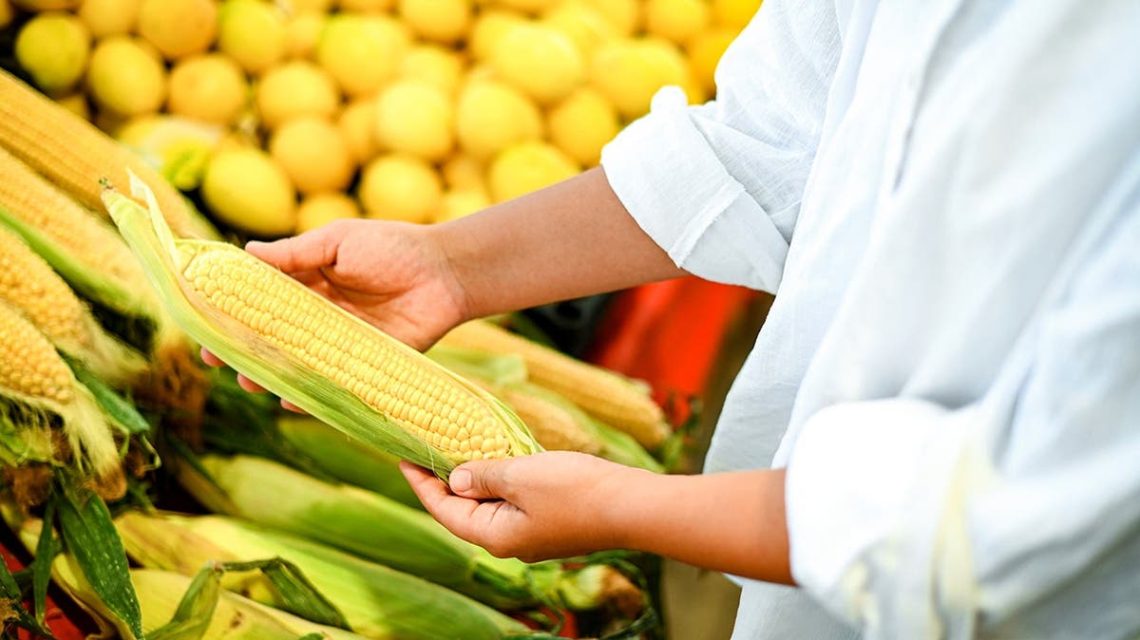
The appearance of fresh summer corn at grocery stores and farmers markets brings a question to the fore: Should you shuck corn before purchasing it?
Understanding Shucking
Shucking involves removing the outer green husks and the silk to access the edible kernels. Some customers peel back the husk to examine the corn for quality and insects.
“Some stores encourage customers to shuck corn on-site by providing trash bins,” Florida-based etiquette expert Jacqueline Whitmore noted. “But if you shuck it, buy it. Inform a manager or discard bad ears.”
The Impact of Shucking at the Market
Partially or fully shucking corn and then leaving it can cause problems. It makes corn less appealing for other buyers and may lead to waste.
“If no bins are available, avoid shucking corn,” Whitmore advised. “It causes mess and waste, and no one likes buying already shucked corn.”
Besides the etiquette around mess, sanitation matters too. Husks protect corn from dirt, bacteria, and moisture loss. Peeling them back exposes kernels to germs from hands and surfaces.
Proper Timing for Shucking
Experts suggest waiting to shuck corn until just before cooking. This keeps the kernels fresh, as the husk prevents exposure to oxygen. Oxygen dries the kernels out, and the sugars in corn convert to starch faster, reducing sweetness.
Ohio farmer Lee Jones emphasized the wastefulness of shucking early. “Every part of an ear of corn can be used,” he said. From the stalk to the cob, each component adds value to a dish.
Corn husks lend themselves to teas, stocks, and grilling wraps.
Evaluating Corn Without Shucking
Many shoppers pull back corn husks to inspect the ears. “The husk sometimes hides flaws like worms,” one Reddit user pointed out.
However, experts suggest better methods to judge corn quality. Start by comparing the weight of the ears. Heavier ears are generally juicier with more moisture and sweeter kernels. Squeeze the ear to check for firmness and plumpness.
Examine the tassels or silk and the husk. Fresh corn has silk that appears light brown or golden and sometimes sticky. Black or dry silk indicates older corn. The husk should be bright green and fit tightly around the ear. Faded or brittle husks suggest age.
Look for holes in the husk, a possible sign of insect damage.
Storage and Handling Tips
If not eating immediately, store corn cool and covered. Always wash produce to remove dirt, bacteria, and pesticide residues.
Teresa Mull, a writer with the Lifestyle team at Fox News Digital, contributed to this article.
 Chicagohenge: When Sunlight Aligns with City Streets
  The Rise of Pickle-Flavored Snacks in America
  Unexpected Surprise for Photographer with Amazon Purchase
  The Evolution and Challenges of Friendly’s Restaurant Chain
  Addressing Concerns over Parental Guidance
  Trace Gallagher’s Insights on Parenting in a Modern World