
A rising number of Gen Z adults are viewing sports betting as an investment, spurring financial experts to caution that these winnings do not impact future Social Security benefits. A recent Betterment Retail Investor Survey, involving 1,000 investors from March 27 to April 3, 2026, revealed that over half of Gen Z respondents (52%) used investment funds for sports betting last year. Out of this group, 14% redirected investments to betting multiple times monthly.
Comparatively, 31% of millennials reported shifting investment dollars to sports betting at least once in the last year. For Gen X and baby boomers, these figures dropped to 10% and 4%, respectively. Although successful bettors might owe taxes on winnings, these earnings do not contribute to the historical earnings used for calculating Social Security retirement benefits.
“What worries me is what the betting money replaced,” said Michael Ryan, a financial expert and founder of MichaelRyanMoney.com.
Ryan expressed concerns that funds redirected from traditional savings vehicles like Roth IRAs or 401(k)s could miss out on decades of potential growth. Experts emphasize that this trend is unfolding amid an uncertain retirement future for young Americans. Social Security benefits largely depend on a lifetime earnings record. Therefore, spending years on non-covered income activities can mean smaller retirement checks later.
Online sports betting has surged among Gen Z after legalization across the U.S. “They risk losing decades of growth,” observed Alex Beene, a financial literacy instructor from the University of Tennessee at Martin. “This also coincides with increased debts and reduced investments.”
The IRS mandates that recreational gamblers report gambling winnings as taxable income. Yet, the Social Security Administration classifies a different set of earnings. While winnings are taxable, they generally don’t increase an individual’s Social Security benefits. Thus, a large jackpot taxed by federal income does not influence Social Security records.
“Sports betting doesn’t bankrupt Social Security, but it fails to build a worker’s earnings record,” Beene explained. “With inadequate savings, there’s more reliance on a system already facing financial issues.”
If someone wins $100,000 from sports betting, that income doesn’t affect future Social Security benefits. Conversely, a $100,000 salary from a traditional job would factor into Social Security’s benefit formula. As Social Security calculates benefits using the top 35 earning years, a high earning year could boost retirement benefits by $36 to $76 per month.
Kevin Thompson, CEO of 9i Capital Group, highlighted Gen Z’s position amid unemployment and high living costs. This situation might prompt them to seek faster financial gains through higher risks. He notes the concern for potential reductions in Social Security reliance. Many young individuals believe Social Security might not be available when they retire, influencing their approach to long-term investments.
An exception exists for professional gamblers. If classified as professional, gamblers may report activities as self-employment income, allowing gambling income to generate Social Security credits and potential retirement benefits. Qualification depends on activity frequency and record-keeping.
“If Gen Z questions Social Security’s future, more could start businesses combining W-2 wages with business distributions,” Thompson stated.
Financial advisers reiterate that Social Security was intended for traditional employment and payroll contributions. While sports betting may yield sporadic returns, steady covered earnings remain crucial for building retirement security.
As sports betting gains mainstream acceptance, retirement experts are scrutinizing how young Americans earn and perceive money. Gen Z workers need to understand that while a significant sports betting win enhances current finances, it likely won’t elevate future Social Security benefits.
“Social Security was never meant to do the entire job,” stated Ryan. “Without private savings, more dependence on it develops.”
Newsweek developed this article using Martyn, our AI assistant. Contact Newsweek editors Jason Lemon and Anthony Murray for more information.
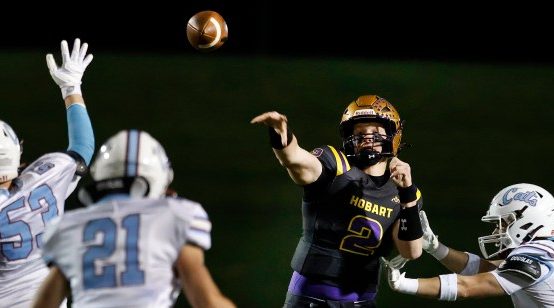 Aleks Tatum Shines on Senior Night with Standout Performance
  High School Star Quentin Burrell Shines at Mount Carmel
 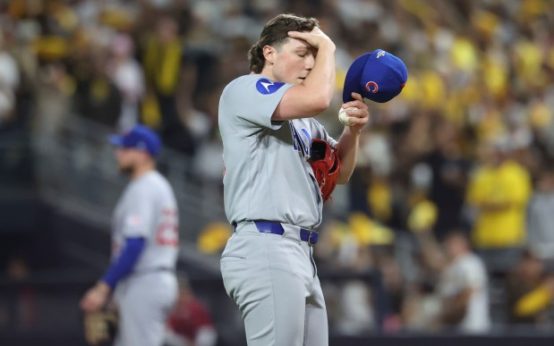 Cubs Face Season Challenges and Future Roster Concerns
 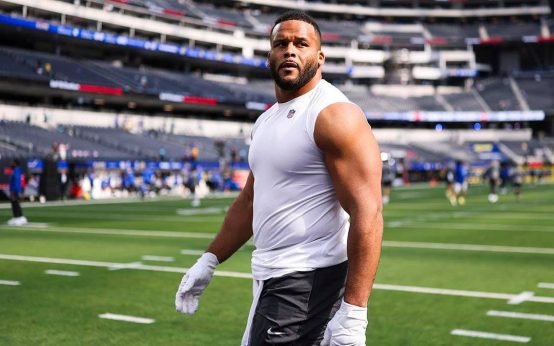 Assessing Aaron Donald’s Return and Rams’ Super Bowl Prospects
 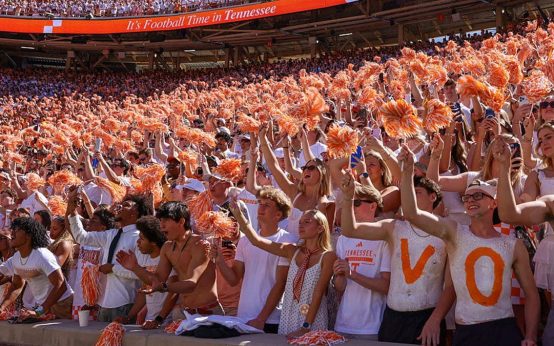 Tennessee’s Successful ‘Happy Hour’ Promotion at Neyland Stadium
  Attorney Criticizes ASU’s Handling of Hockey Player Injury Amid Heat Wave