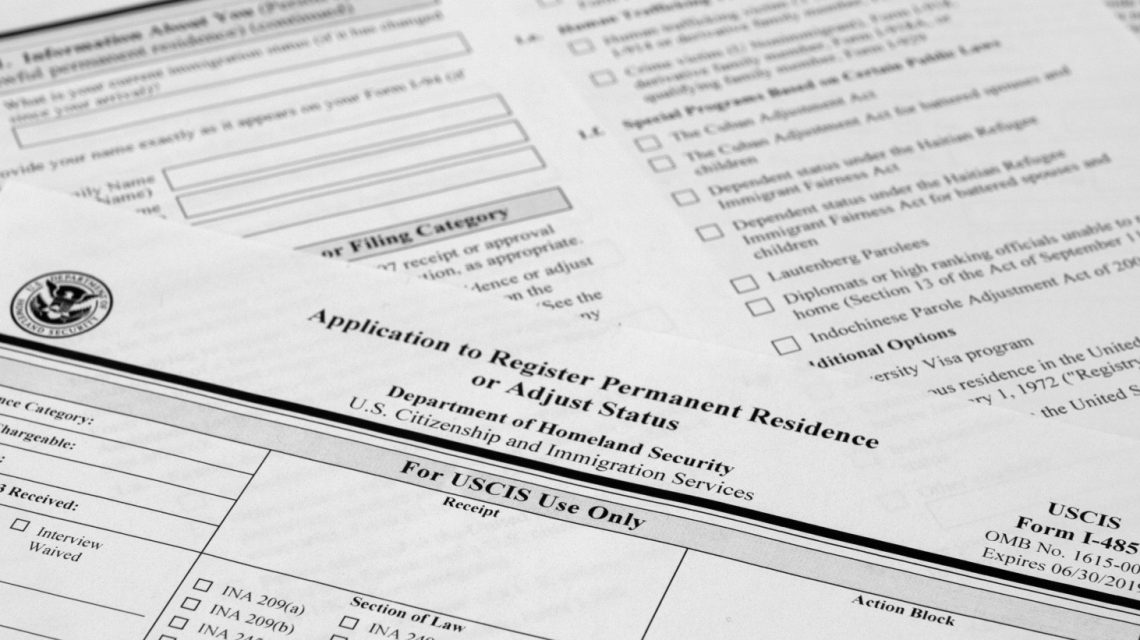
Green card availability for spouses of lawful permanent residents has expanded, offering new filing opportunities for many couples. This change comes just before a Trump administration policy alteration that may heighten scrutiny of applicants’ financial situations. The State Department’s August Visa Bulletin has moved the F2A final action date from January 1, 2025, to July 22, 2026, for most countries. Mexico saw an advance from January 1, 2024, to July 22, 2025. The F2A category covers spouses and unmarried children under 21 of lawful permanent residents.
This shift precedes a September 18 alteration to the federal public charge policy. The Department of Homeland Security (DHS) is bringing back broader officer discretion on whether an applicant may become a public charge. U.S. Citizenship and Immigration Services (USCIS) will also roll out a revised Form I-485, the application for permanent residency within the U.S. USCIS will reject older editions submitted on or after September 18.
Immigration attorneys note that the F2A advancement could allow more spouses of green card holders to apply and potentially move their cases forward. However, eligibility hinges on individual circumstances, and the beneficial dates may retract. “This type of movement happens every few years as immigration in this category ebbs and flows,” said Charles H. Kuck, founding partner of Kuck and Baxter Immigration. Kuck highlighted that many couples could now adjust status domestically rather than going through U.S. consulates abroad.
USCIS reached out for comment from Newsweek via email and is allowing family-sponsored applicants to utilize the Dates for Filing chart in August. The F2A category is current on the chart, enabling eligible applicants to submit Form I-485 before the priority date. However, a green card approval requires the applicant’s priority date to precede the final action date. Interim benefits like employment authorization may be available during pending cases.
“This is indeed an unusual, significant jump,” said immigration attorney Saja Raoof to Newsweek. However, faster case decisions are not guaranteed due to USCIS processing backlogs. A pending case cannot be approved during periods when visa numbers become unavailable.
According to the State Department, the shift in filing and final action dates results from a decline in immigrant visa issuance rates after administrative interventions. The agency warns that retrogression might be necessary if demand rises or policies change. These dates are crucial for spouses of lawful permanent residents who lack some procedural advantages that spouses of U.S. citizens have. Generally, F2A applicants must have maintained lawful status under standard rules, and factors like unauthorized employment can impact eligibility.
The upcoming public charge change adds further considerations for applicants. Under federal law, a person seeking a visa, admission, or status adjustment may be found inadmissible if deemed likely to become a public charge. The 2022 framework limited factors considered, but the DHS’s new rule now allows broader, personalized reviews of each applicant’s circumstances.
The final rule highlights factors like age, health, family status, assets, financial status, education, and skills. It includes receipt of means-tested public benefits post-effective date and specific case details. The rule doesn’t specifically target spouses or marriage-based applications. Still, many applicants provide Form I-864, an affidavit of support from the sponsoring spouse.
Kuck indicated greater scrutiny of petitioners’ financial status, especially concerning younger couples with often lower incomes and assets. USCIS has not mandated extra documentation for all marriage-based applicants, as practical effects depend on forthcoming guidance. The September 18 deadline also introduces a procedural cutoff. USCIS will publish a revised Form I-485 and reject older versions postmarked or electronically filed on or after September 18, 2026. The current form edition listed is January 20, 2025, so applicants should verify updates before submission.
Some attorneys advise applying before the new framework activates but warn against incomplete submissions. “If a couple is eligible today, with legal advice, there’s no reason to wait,” Raoof stated. Filing before September 18 applies the narrower public charge standard. “Even if financially comfortable, filing under old norms is preferable,” said Loren Locke, attorney at Locke Immigration Law, indicating increased complexity under the new rule.
The choice to file before the deadline depends on factors like lawful status, unauthorized jobs, admission or parole, immigration violations, and available evidence. For spouses of lawful permanent residents, August’s Visa Bulletin offers a chance to progress green card applications. Whether this opportunity lasts depends on future Visa Bulletin changes and how USCIS manages its new public-charge guidelines after September 18.
 Trump Administration Seeks to Influence NIH Grantmaking
  Protests in Austin: Analyzing the Coordination Behind Anti-ICE Demonstrations
  Controversy Surrounds Inglewood Mayor Amid Allegations
  White House Launches Trump TV Amidst Press Dispute
  Media Organizations Sue Trump Administration Over Press Access
  VP JD Vance Trails Potential Democratic Contenders in Early Polling for 2028 Election