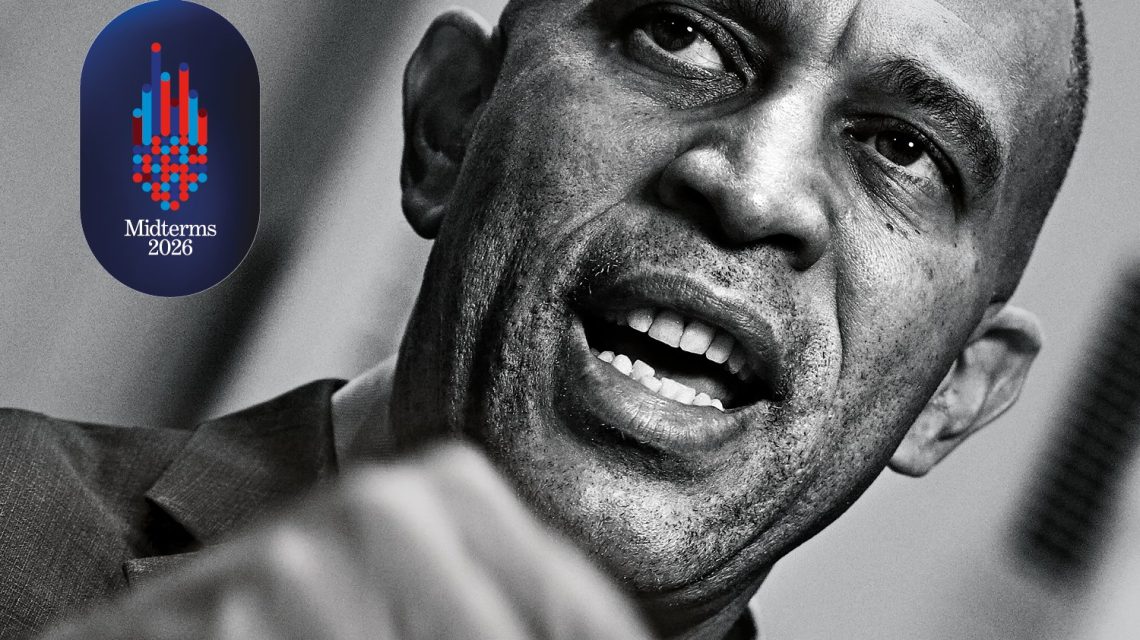
John Boehner, the former Speaker of the House, bid farewell in 2015 with a lighthearted song but left office with poignant reflections on the challenges he faced. The Ohio Republican described the Speaker’s job as isolating and highlighted the complexities of negotiating with President Obama without guaranteed support from his own party. His successors, Paul Ryan and Kevin McCarthy, faced similar trials. Ryan contended with threats from within his party, and McCarthy struggled to secure a stable leadership role, leading to his eventual removal.
Observing these events was Hakeem Jeffries, the Democratic leader and Congressman from Brooklyn. Jeffries witnessed the discord within the GOP and, despite differing ideologies, understood the challenges of party unity. As the Democratic leader, he faced internal pressures, anticipating the potential historical role of becoming the first Black Speaker of the House if the Democrats regained a majority. Jeffries acknowledged the challenges of leading a diverse caucus and emphasized the importance of unity amidst ideological differences.
The Democratic landscape has evolved, with inspiration and energy coming from grassroots movements. The Democratic Socialists of America (DSA) are gaining traction, highlighted by the election of leaders such as Zohran Mamdani in New York City. Jeffries, while acknowledging the DSA, stands clear that his leadership aims to create a broad coalition within the party. Jim Clyburn, a key mentor to Jeffries, expressed that disagreement within the party facilitates growth, underscoring the necessity of consensus-building within the Democratic ranks.
Having contested against established figures in his early political career, Jeffries knows the difficulty of balancing diverse interests. His journey from outsider to potential Speaker was shaped by his political engagements in Brooklyn. Raised in a middle-class family and sculpted by community traditions, his political ascent was characterized by engaging with both grassroots movements and institutional channels. His opposition’s narratives reflect the shifting dynamics of New York politics, which Jeffries continues to navigate adeptly.
The rise of DSA-backed candidates illustrates broader bases of support, pushing for systemic change that challenges conventional party frameworks. Jeffries has maintained cautious optimism about the influence of these factions, noting the role these groups play in strengthening Democratic discourse. Despite internal tussles and his guarded stance on certain endorsements, Jeffries remains focused on maintaining a united front that can both challenge the Republican narrative and incorporate new political realities.
Jeffries’ leadership style, centering on building consensus, aligns with a pragmatic approach. Despite occasional criticisms, his capacity to engage diverse perspectives, facilitate vital legislative efforts, and amass necessary political support affirms his capability to navigate the shifting political terrain.
As speaker, Jeffries will find himself at the helm during challenging political times. His ability to echo the concerns of diverse groups within his party and manage it tactfully will define his leadership. With the weight of historical significance and internal party dynamics, Jeffries stands at a pivotal juncture. His success in bridging divides might redefine perceptions of Democratic leadership through calculated pragmatism over revolutionary shifts.
 Tensions Rise Between DOJ and California Over Voter Rolls
 Colorado Family Challenges Denial of Preschool Benefits Based on Religious Choice
 Pelosi Criticizes Colleagues’ Views on Israel
 Minnesota’s Election System Under Scrutiny
 U.S. Engagement with Iran: Vice President’s Offer
 Insights from Statewide Races and Electoral Issues