Artificial intelligence is at the heart of many major debates, touching areas such as jobs, data centers, healthcare, national security, and consumer protection. Yet, a crucial question remains: Will AI models seek the truth, or will they allow hidden biases to influence their responses?
The Nature of AI Models
On the surface, general-purpose AI tools are presented as neutral sources of information and analysis. They appear capable of answering most questions with references, logical explanations, and impartial feedback. However, a different reality exists. While blatant examples of bias, like depicting historical figures inaccurately, are easy to dismiss, subtle biases are harder to detect. Users may not realize when models guide them toward engineered outcomes or when responses are framed through a politically biased lens, as most users do not verify AI responses.
Research Highlights Bias
Recent studies highlight these hidden biases. The Washington Post tested leading models on controversial political questions and found a tendency to favor left-leaning positions while presenting them as neutral. Similarly, MIT’s Center for Constructive Communication found that reward models often exhibited left-leaning biases, even when trained on factual statements, especially concerning topics like climate and labor unions.
State-Level Legislative Action
Some state lawmakers are capitalizing on the absence of federal regulations to address these biases. In states like New York and California, legislators propose bills similar to Colorado’s Artificial Intelligence Act. These laws would require impact assessments and anti-discrimination standards. According to the Federal Trade Commission (FTC), such laws might pressure companies to alter AI outputs to align with state goals, potentially penalizing accurate AI model responses.
AI Adoption and Implications
The rapid adoption of AI is unprecedented. Millions of Americans use it for information, work, advice, and understanding current politics. AI can make political engagement more accessible, but undisclosed biases might skew information and affect voter decisions.
Federal Involvement and Policy Proposals
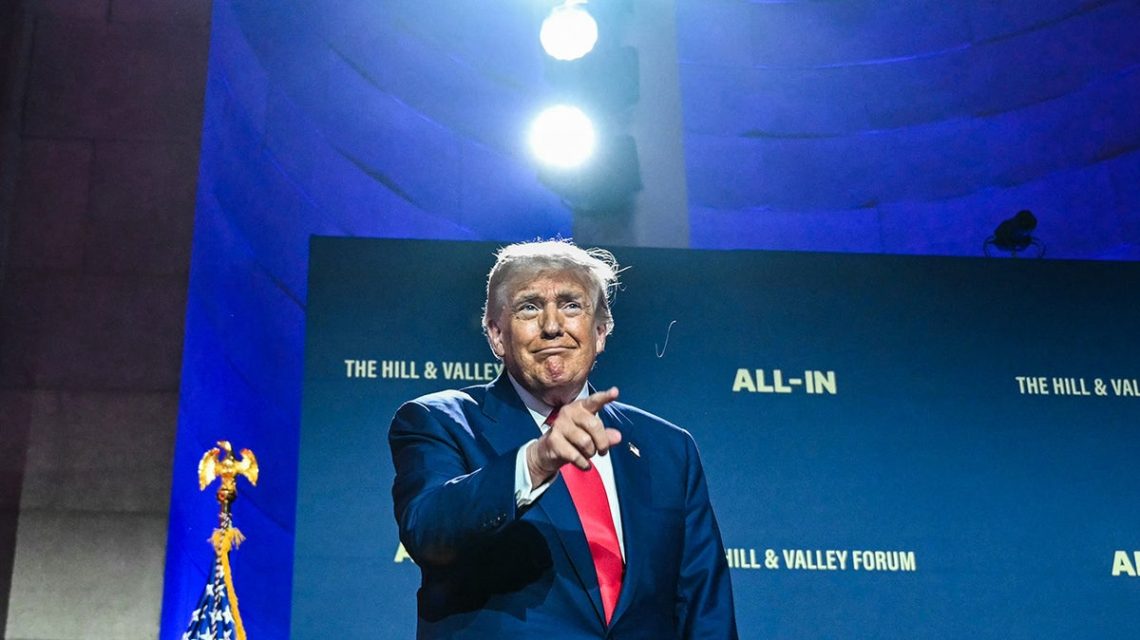
Under President Donald Trump, his administration launched initiatives to address AI bias. The AI Action Plan emphasized the need for AI models to focus on objective truth over social agendas. Executive orders banned federal use of biased AI models, mandating accuracy under a federal framework.
FTC Chairman Andrew Ferguson proposed applying existing consumer protection laws to AI model biases. Under Section 5 of the FTC Act, misleading AI representations meet the threshold for deceptive practices. Ferguson’s proposal reinstates federal regulation over AI models, aiming for a nationwide standard and uniformity.
By ensuring AI models are truthful and transparent, federal consumer protection laws can prevent models from misleading users. The FTC’s policy proposal supports these goals, adhering to the AI Action Plan, and promoting American leadership in AI.
Nicholas Elliot is the director of Government Affairs for Innovation Council Action. His past roles include positions at the White House, the Commodity Futures Trading Commission, and the U.S. Senate.
 Protests in Austin: Analyzing the Coordination Behind Anti-ICE Demonstrations
  White House Launches Trump TV Amidst Press Dispute
  Media Organizations Sue Trump Administration Over Press Access
  The Push for Permanent Daylight Saving Time
  Congressional Inaction Amid AI Concerns
  Rising Demand for Data Centers Driven by AI Development