
A heat dome has formed over the south-central United States, bringing back triple-digit temperatures as the region nears the autumn equinox. This event extends the record-setting warm spell affecting Texas, Oklahoma, Arkansas, and nearby states. Millions face another week of extreme heat, poor air quality, and potential storms as the dome expands eastward.
Persistent Heat Dome Formation
The latest heat dome has developed over areas like Texas, Oklahoma, Arkansas, Louisiana, and parts of the Southeast, where high pressure has been prevalent since spring. Despite the sun’s weakening with the equinox approaching, temperatures remain 5 to 10 degrees above historical averages. Highs reaching the upper 80s and 90s are common, with Dallas, Austin, and Oklahoma City nearing 100 degrees through Saturday.
Senior Meteorologist at AccuWeather Alan Reppert explained, “There are multiple reasons for this heat dome’s persistence across the southern US. It involves other teleconnections in the Pacific, unrelated to El Niño.” He added that El Niño’s effects typically strengthen in winter, allowing other ocean signals to dominate late-summer conditions.
Record-Breaking Heat Across the South
The heat dome exacerbates an already severe season. Dallas has noted 49 days at or above 100 degrees, nearly double its 20-year average. Oklahoma City has more than tripled its typical count. September alone has brought 10 triple-digit days in Oklahoma City and 12 in Dallas.
“Dallas and Oklahoma City have experienced many 100-degree days,” Reppert noted. “While impressive, this has happened before but remains uncommon.” Other cities are nearing historical benchmarks. Austin has seen 43 days above 100 degrees, against a 20-year average of 29. El Paso reached 52 such days, notably above its usual 34. Little Rock, Tulsa, and Wichita have doubled or tripled their norms.
Ocean Temperatures Influence
Warm oceans strengthen the heat dome’s effects. “El Niño and ocean temperatures play a role in the heat dome,” said Reppert. “Warmer sea surface temperatures help strengthen high pressure areas.” He highlighted that warm waters off the West Coast and the Gulf of Mexico sustain the dome across the southern US.
August 2026 matched July 2023 as the hottest month recorded, with global surface temperatures at 16.96°C (62.5°F). Sea-surface temperatures, excluding polar regions, hit record August levels, averaging 21.07°C.
Vulnerability Under the Dome
The heat dome covers some of the most heat-prone areas in the US. “Most of Oklahoma, Texas, and Arkansas are susceptible to this heat,” said Reppert. Parts of western Texas and Oklahoma, being higher elevations, may be slightly cooler.
Combined with humidity and stagnant air, poor air quality affects multiple states. Vulnerable groups, including older adults and outdoor workers, face increased risks. Meanwhile, the Northeast braces for its first frost of the season, showing regional temperature contrasts.
Storms from the Dome’s Edges
The dome’s boundaries have fueled storms all summer. This week, storms are predicted from the Dakotas and eastern Montana through western Minnesota, the Midwest, and the Northeast.
A storm might form off the Atlantic coast and drift across Florida into the Gulf of America. Lower pressure from this system could start a tropical or subtropical depression. Another region southeast of Bermuda has a medium development chance.
These storms, forming where hot air meets cooler zones, define the season.
Global Heat Context
Reppert said the US heat dome contributed slightly to August’s global record but stressed Europe experienced higher departures from historical averages. “The southern US was just a small piece of a larger puzzle,” he said.
Relief may be on the horizon. “The heat is expected to lose intensity late this week and into the weekend,” said Reppert. An active northern Pacific jet stream may dislodge the dome, bringing relief.
Nevertheless, the summer’s impact is clear. The Lower 48’s 76.9-degree average in July broke records dating back to 1895, surpassing July 1936’s Dust Bowl heat.
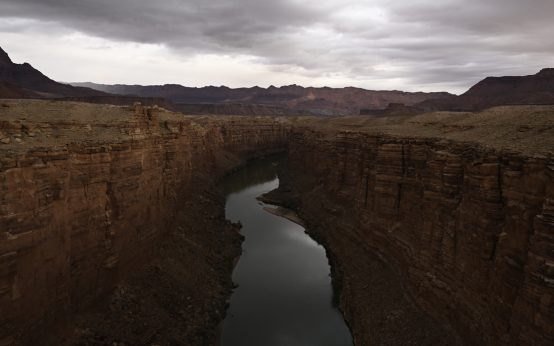 Managing Drying Rivers: The Need for New Approaches
 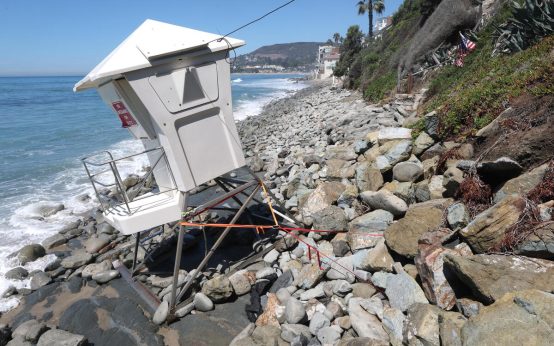 Coastal Damage from Kelvin Waves and Rising Sea Levels in Southern California
 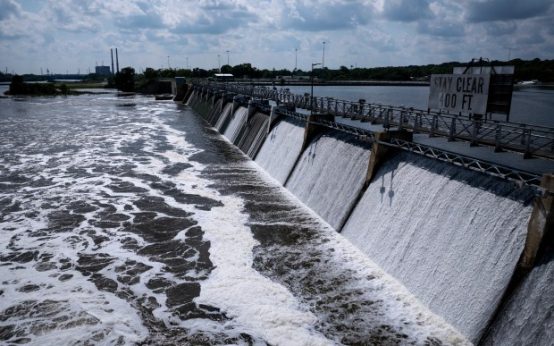 Army Corps Resumes Construction on Brandon Road Lock and Dam Project
  Impact of Halting U.S. Air Quality Monitoring on Global Pollution Levels
  Persistent Legislative Inaction on Climate Change
 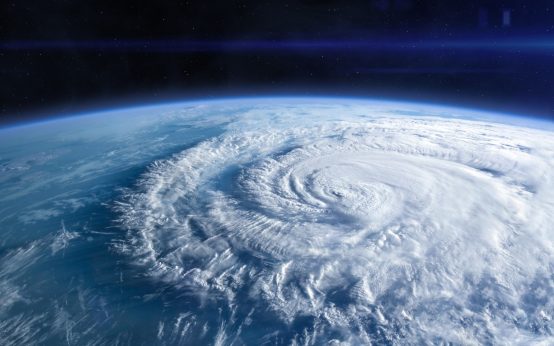 Potential Formation of Tropical Storm in the Atlantic