Anthony Vitolo Shares Italian Recipes
Chef Anthony Vitolo made a special appearance at the weekend studio to cook traditional Italian recipes with five hosts. He presented the detailed procedure for breading and frying mozzarella, offering professional tips along the way. The hosts gathered to taste the finished dish during this unique cooking demonstration.
Enhancing Your Rice Cooking Skills
Rice is common in kitchens, yet cooking it well can be challenging. Experts emphasize the importance of preparation before cooking.
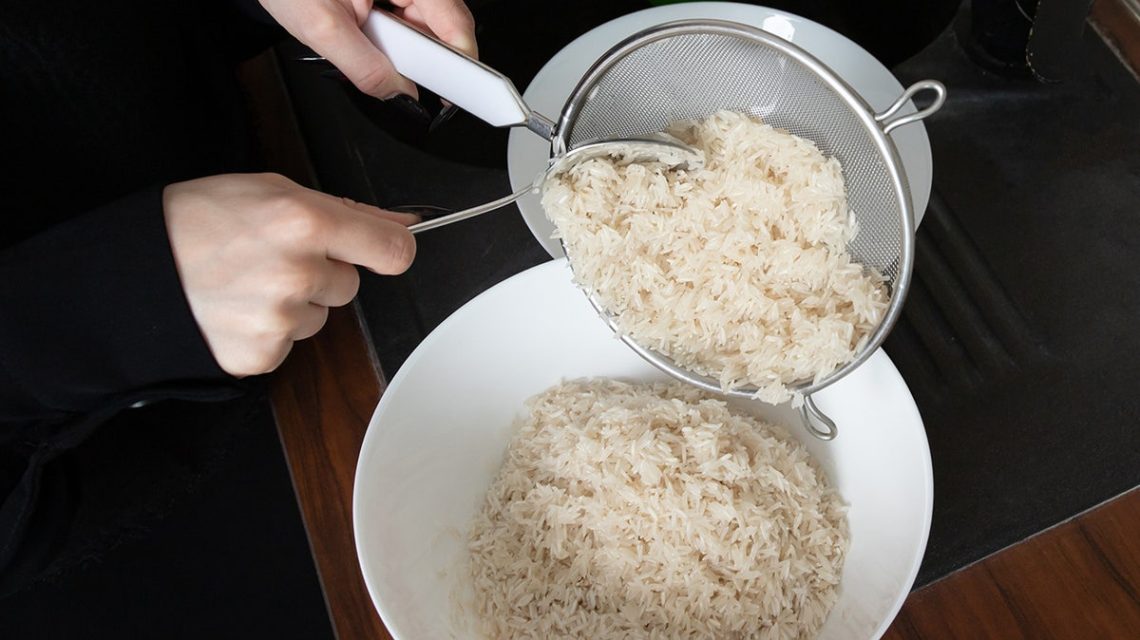
Dennis Littley, a classically trained chef in New Jersey, suggests rinsing long-grain varieties like white, basmati, and jasmine rice for a light, fluffy outcome. Rinsing helps remove excess starch that can make rice sticky. It’s not necessary for water to be completely clear after rinsing, but should be considerably clearer.
Adapting Techniques for Different Rice Types
Christine Pittman, founder of COOKtheStory and other cooking platforms, advises rinsing short-grain rice, especially when using a pressure cooker. Risotto, due to its creamy nature, does not require rinsing.
Food & Wine performed tests revealing rinsed and soaked basmati and jasmine rice were fluffier than unwashed, clumpy rice. Soaking basmati rice for 20–30 minutes beforehand can result in longer, distinct grains.
Water-to-Rice Ratios and Cooking Tips
The water-to-rice ratio varies by rice type. Pittman advises less than 2 cups of water per cup of long-grain white rice. For Japanese-style short-grain rice, start with 1 1/4 to 1 1/2 cups of water per cup. Follow package or recipe instructions for specifics.
Brown rice needs more water, about 2 cups per cup of rice, due to its bran layer. Briefly toasting the rice in oil or butter before adding liquid can enhance flavor.
Cooking Process
Once the rice and liquid are boiling, simmer gently and cover, avoiding lid lifts or stirring during cooking.
After cooking, let the rice rest covered for 5–10 minutes to allow moisture redistribution. Fluff using a fork to separate grains.
“Overcooked rice is bad, but undercooked rice can be worse.”
If rice is undercooked, add hot water, cover, and return to low heat. Pittman emphasizes gentle fluffing with a fork, using a folding motion to keep grains intact.
 Finding Hope in the Dating Process
  Exploring the Timeless Appeal of Romance
  Handling Family Conversations About Weight
  Top Sports Bars to Enjoy College Football, Baseball, and European Soccer
  Navigating Friendships with Financial Generosity
  Debate Erupts Over Flight Attendants’ Role in Handling Passenger Luggage