
Understanding Hurricane Formation
Hurricanes are complex weather phenomena that require specific conditions to develop. These tropical cyclones form over warm ocean waters, typically at temperatures of at least 26.5 degrees Celsius. This warmth provides the energy needed for the storm to intensify.
The first step in hurricane formation is the development of a disturbance in the atmosphere. This can be a group of thunderstorms or low-pressure areas. As these disturbances develop, they can become more organized under the right conditions.
Conditions Favorable for Growth
Once a disturbance forms, factors such as low wind shear, high humidity, and sufficient Coriolis force are needed for the cyclone to strengthen. Low wind shear allows the storm to maintain its structure, while high humidity supports the development of thunderstorm activity within the system.
Additionally, the Coriolis effect, caused by the Earth’s rotation, helps the system rotate, which is crucial for hurricane development. Without this force, the system may not achieve the necessary spinning motion.
Strengthening Process
When the initial conditions align, a tropical depression can form. This depression, if given enough time and the right environment, can intensify into a tropical storm and eventually attain hurricane status.
As the storm progresses, it can absorb more heat and moisture from the ocean, fueling stronger winds and heavier rains. This cycle continues as long as the storm remains over warm waters and conditions remain favorable.
Monitoring and Predictions
Meteorologists use satellite imagery, radar, and reconnaissance flights to monitor storm conditions. They assess factors such as ocean temperature, wind patterns, and atmospheric pressure to predict hurricane growth and potential landfall.
Understanding these processes helps forecasters issue warnings and advisories to minimize the impact of hurricanes on affected regions.
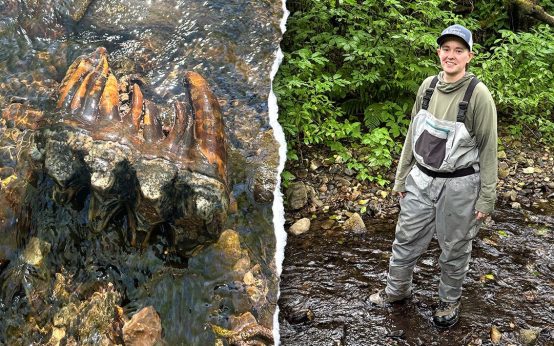 Ancient Mastodon Tooth Unearthed in California Creek
  The Tiny World of the Pumpkin Toadlet
  Chimps and Self-Medication: Insights from Gombe Stream
  Rovelli Challenges Physics with Relational View
 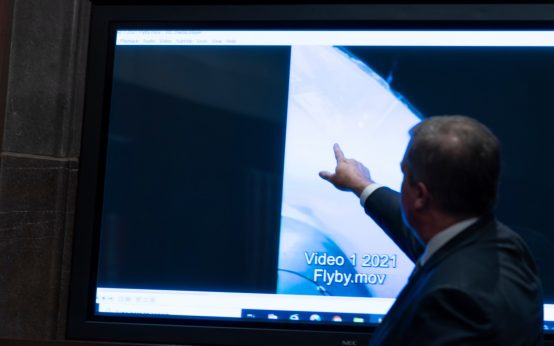 Legal Waiver for Sharing UAP Information Announced
  NASA Moves Upend Work on Space Projects at Goddard