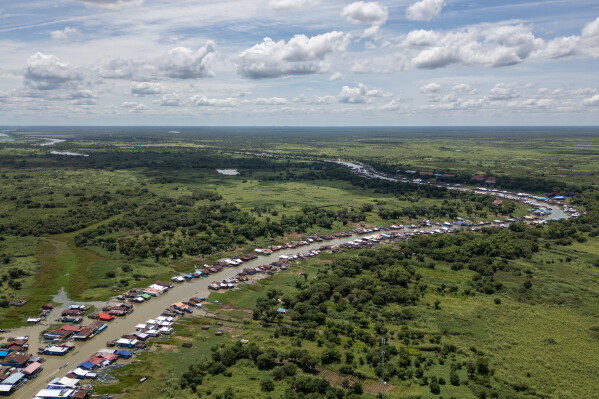
Sou Sreynich, a 13-year-old girl from Kampong Prahok, Cambodia, has aspirations to become a teacher. Her journey has been tough since she didn’t start school until age 10. Her mother’s decision to delay was based on safety concerns; she feared the boat to school could capsize, a common worry for families living on the Tonle Sap Lake, the largest freshwater lake in Southeast Asia.
Recently, soaring fuel prices, influenced by global conflicts such as the Iran war, have added to these challenges. While the impact is less visible than the COVID-19 school closures, it affects the poorest families most. Elevated fuel costs make travel to school more expensive for children and teachers alike, while governments face budget strains reducing educational funding.
Struggles on Tonle Sap
Transportation on Tonle Sap means navigating water, and with climate change causing unpredictable floods and droughts, it’s become even more complex. Schoolteachers from the region report that, tragically, 10 students have drowned over the years.
A UNICEF report warns that if the current conflict continues, an additional 23.4 million children may fall into poverty, most in Africa and Asia. Every morning, students in Kampong Prahok travel by boat, piloted by peers, to reach floating schools. This education means everything to Sreynich’s family, who depend on fishing and occasional odd jobs for survival. Yet, rising fuel costs limit their ability to reach abundant fishing areas, forcing Sreynich to miss school.
Vulnerable Families and Education Decisions
For families precariously living on low incomes, ongoing global conflicts compel difficult choices regarding basic needs and education. According to Sabrina Hervey from the Education Above All Foundation, the Iran war may force millions of children out of education entirely.
Vietnam also experiences similar challenges. Ly, 16, and Nhi, 13, part of a large family reliant on fishing, occasional employment opportunities after rising fuel prices hampered their father’s work. The girls moved to Hanoi for work, facing potential legal and safety issues. A nonprofit intervened, aiding their return to education.
Broader Economic Impacts
Rising fuel prices globally affect parts of education systems, from transportation to materials. On Tonle Sap, costs for essentials like electricity are significantly higher. The nonprofit Aide et Action highlights that even operating school labs have become pricier.
In many developing countries relying on imported energy, the disturbances are stark. For instance, Bangladesh sees potential austerity measures affecting its education and health care due to increased fuel costs, reported by the U.N. Development Programme.
In South Asia, economic impacts on education could disproportionately affect girls due to traditional familial priorities, increasing dropout rates and child marriages. Countries already struggle with high numbers of child brides, with South Asia accounting for 45% globally.
The U.N. World Food Programme shows more than 466 million children worldwide depend on school meals, vital for sustaining education and health. These initiatives face challenges in areas reliant on imports, as observed in Africa.
 Protest and Vandalism at Cornell University Over Allegations
 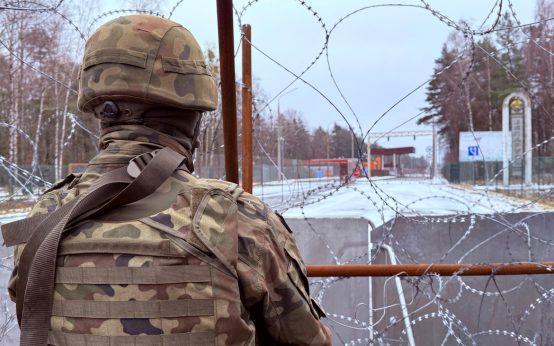 Poland Prepares for Potential Conflict Amid Rising Tensions with Russia
 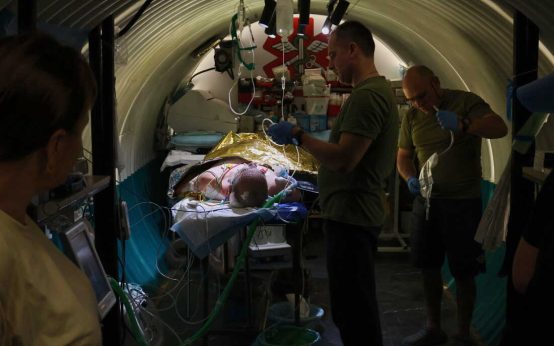 Drones Redefine Warfare in Ukraine
  Exploring the Ease of Opening Private Schools
 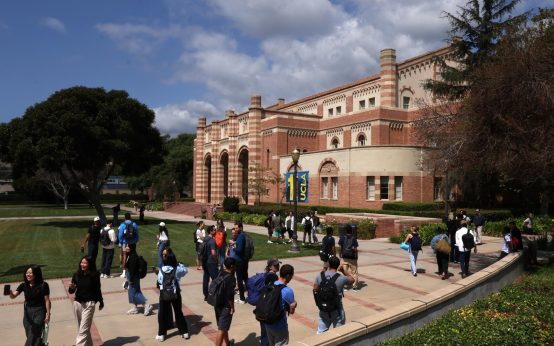 The Changing Value of College Education
  Israel Condemns British Green Party’s View on Zionism