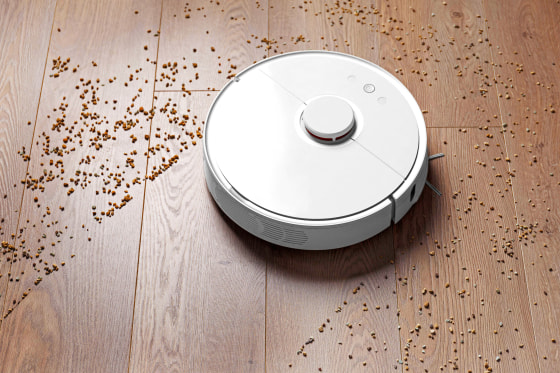
The introduction of new regulations by the Trump administration is expected to disrupt access to the latest smart vacuum models for American consumers. These rules have particularly targeted Chinese companies that hold over two-thirds of the global market share for robot vacuums.
In addition to humanoid robots from China and other countries, these regulations have inadvertently included smart vacuums, which are widely integrated into American homes. This move marks a significant shift in the availability of these products in the U.S. market.
Understanding the implications of these rulings is crucial, as they could lead to a substantial decrease in product variety, impacting consumer choice. For instance, the exclusion of leading Chinese brands might drive demand towards Western manufacturers and potentially increase costs.
The ripple effects could extend beyond consumer access and alter market dynamics. Companies that rely heavily on Chinese technology could feel pressure to adapt their offerings or seek alternative partnerships. In the long term, innovation in smart home technology might be influenced by these regulatory actions.
 Congressional Inaction Amid AI Concerns
  Rising Demand for Data Centers Driven by AI Development
  Understanding AI’s Impact Compared to Historical Threats
  Debate Over AI’s Governance Amidst Fearful Predictions
  Navigating AI Responses: A Personal Experience with Google’s New Approach
  Concerns About AI Responses in Health Information