California faces a potential deluge with a strong El Niño this fall and winter, raising the odds of substantial storms. While this increases the risk of flooding, it also presents an opportunity to bolster the water supply.
Preparedness and Progress
Experts acknowledge California has improved its ability to capture stormwater. However, there’s still room for enhancement. Los Angeles County employs a network of 27 spreading grounds. These basins collect water from storms, allowing it to seep into the soil and replenish groundwater.
Sterling Klippel of the L.A. County Public Works Department noted the significance of capturing ample water during wet seasons. In 2025-26, the system stored enough water to meet the yearly needs of 3.3 million Angelenos. Additional water capture is expected if this El Niño results in major storms.
Central Valley Efforts
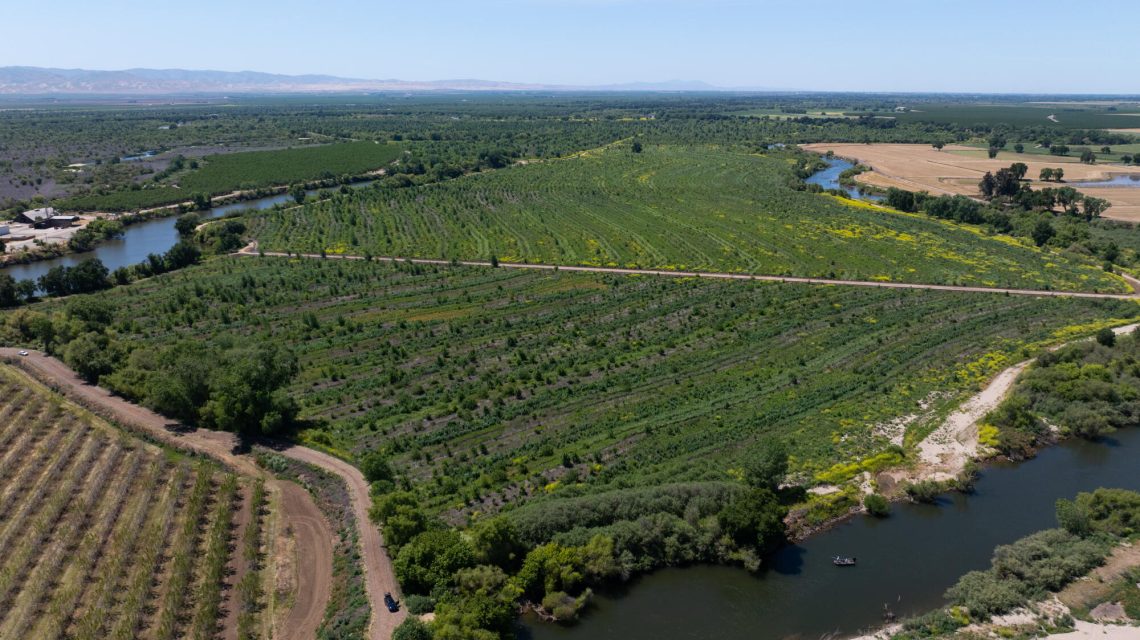
The Central Valley is also engaged in large-scale water capture initiatives. Restoration of natural floodplains along rivers enables water to infiltrate the soil. Julie Rentner, president of River Partners, highlighted that her group has repurposed 13,000 acres in the Central Valley for water absorption and groundwater replenishment.
In 2023, the Dos Rios area near Modesto saw an expanse of water when the San Joaquin River swelled. This site later became a state park, with plans to extend floodplain capabilities.
Statewide Measures
Governor Gavin Newsom has declared a statewide emergency, mobilizing agencies to prepare for flooding and support runoff capture. Previously, an executive order eased permit requirements for groundwater recharge, facilitating floodwater redirection.
El Niño increases the chances of intense storms, although it doesn’t guarantee them. With warming global temperatures, both El Niño events and atmospheric rivers could become more intense, affecting precipitation patterns.
Innovative Water Management
Technological advancements are playing a role in tackling water conservation. For instance, smarter reservoir management involves responding to weather forecasts with precision, enabling more efficient water storage. This approach, validated by UC San Diego’s Scripps Institution of Oceanography, shows potential in securing water for over a million households annually.
Meteorologist Marty Ralph from Scripps emphasizes the importance of tailoring strategies to each reservoir’s unique conditions. Some reservoirs, like those along the Russian River, are already seeing success with these innovative methods.
Ongoing Challenges
Preparing for intense rainfalls, longer droughts, and shifting precipitation types is crucial as climate change impacts California’s water systems. Strategic planning for stormwater capture remains essential.
With conditions changing, maximizing water during major storms becomes increasingly valuable. Exploring diverse strategies and enhancing infrastructure are fundamental steps toward sustainable water management in California.
 Florida Citrus Growers Use Gene-Editing to Combat Citrus Greening
  Satellite Images Reveal Lake Powell’s Dramatic Decline Over Nine Years
  Tropical Depression Six Forms in the Atlantic Amid Quiet Hurricane Season
  Fat Bear Week: Celebrating Resilient Giants and Ecosystem Conservation
  Concerns Surface Over SpaceX Facility in Louisiana
  Understanding Pyrocumulonimbus Clouds Through NASA’s INSPYRE Mission