
The situation involving Iran, the Strait of Hormuz, and its nuclear program reached a critical point last week without any significant developments. President Trump indicated that the U.S. military was ready for an operation against Iran, marking what he described as a potential major military engagement. He emphasized that this represented Iran’s final opportunity, suggesting severe consequences if they refused to negotiate. Despite the harsh warnings, Iran has shown little indication of yielding to U.S. demands.
The Iranian leadership released a series of conditions necessary for reopening the Strait of Hormuz. These conditions include refraining from threats against Iran, ending military actions against Iran and its allies, lifting military blockades, and removing sanctions. Iran also demands compensation for past conflicts.
Iran’s Major General Ahmad Vahidi stated that Iran will continue its nuclear weapons program as long as the U.S. and Israel maintain theirs. This stance presents a significant challenge for the U.S., as Iran does not appear willing to compromise easily.
In response, President Trump asked for compensation for the harm caused by Iran’s activities, but this is unlikely to alter Iran’s position. The visit of Admiral Brad Cooper to Israel raised questions about the potential for military action, though Trump later suggested economic pressure, rather than military measures, might be the strategy going forward due to Iran’s economic hardships.
Iranian Foreign Minister Abbas Aragh claimed they are communicating through intermediary nations rather than directly engaging with the U.S. This might indicate differing approaches from both parties regarding negotiations.
Retired General Jack Keane offered insight into Iran’s strategic perspective on the Strait of Hormuz, asserting that Iran regards it as a critical strategic asset. He suggests Iran may think it holds the advantage over the U.S. by maintaining control over the strait.
The Trump administration’s policies concerning Iran emphasize the need for regime change. This includes addressing Iran’s nuclear and military ambitions, its influence in the region, and ensuring secure passage through the Strait of Hormuz. Retired Colonel Jonathan Sweet and national security analyst Mark Toth argue that regime change could solve many regional conflicts and challenges.
 Protests Erupt in Madrid Over Housing Crisis After Elderly Woman’s Eviction
  U.K. Police Arrest Multiple Suspects Near U.S. Airbase
 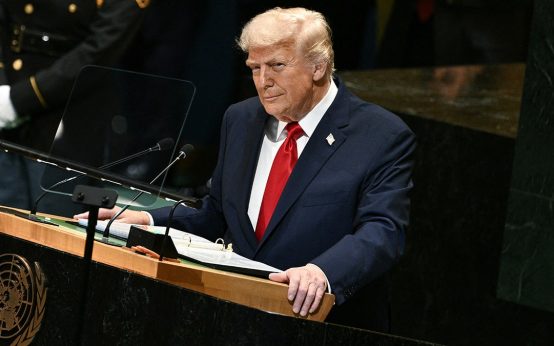 U.S. Officials Confident in Iran Negotiations Amid Rising Tensions
 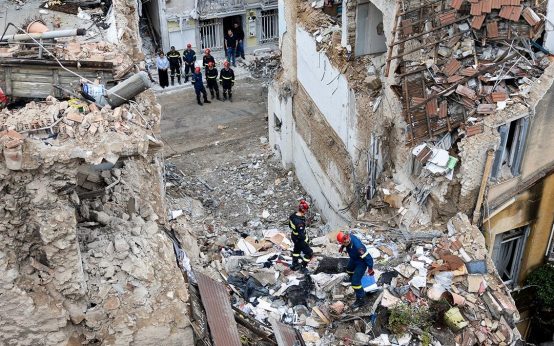 Four American Tourists Among Fatalities in Greece Explosion
  Bab el-Mandeb: Strategic Importance Amid Conflict
  Irish Prime Minister Rejects Claims of Antisemitism in Israel Criticism