In Salisbury, Maryland, the termination of Temporary Protected Status (TPS) for Haitians has profoundly impacted the local community. The Word of Life Center, a church serving as a central hub for the Haitian community, has seen significant changes. Events such as a bridal shower, a yard-sale barbecue, and English classes were canceled. According to Pastor Roosevelt Toussaint, Sunday service attendance dropped from over 500 to fewer than half.
Toussaint attributes the decline to fears of arrest and deportation following the Trump administration’s decision to end TPS for over 1 million people from various countries, including 350,000 Haitians living legally in the U.S. Many people in Salisbury work as farm laborers, caregivers, and poultry workers under TPS. They now face difficult choices: continue living in the U.S. while risking arrest or return to Haiti, where violence and poverty make life threatening.
Toussaint, pastor since 1995, appealed for compassion from President Trump, emphasizing the contributions Haitians have made to the U.S. economy. He described the dire situation in Haiti as life-threatening for those forced to return.
Sunday service was attended by both TPS holders and U.S. citizens showing solidarity. Marjorie Estimé, draped in a Haitian flag, urged the Trump administration to stop ICE actions that have targeted Haitians’ legal status. Reports from advocates suggest ICE employs tactics to detain Haitians, issuing ankle bracelets and travel restrictions.
“Instead of heavily descending on communities, ICE brings individuals into their offices for detention,” said Guerline Jozef, president of the Haitian Bridge Alliance.
Recent court rulings only added to the confusion surrounding TPS protections. The U.S. Supreme Court allowed the government to end the program, sparking fear in Haitian communities due to losing jobs and facing deportation. Many local Haitians are burdened by the anxiety of living in limbo.
Samson Orneus, who works with Toussaint at the Haitian Development Center, described it as akin to a Category 5 hurricane, with people unable to carry out simple daily activities without fear of arrest.
Marie D. Fouché, of Safe Harbor Circles, reported numerous arrests, including those whose TPS had expired. She lamented the situation as families are torn apart, describing cases where individuals were arrested while shopping for their families.
The Department of Homeland Security has avoided detailing ongoing operations but reiterated TPS’s temporary nature, insisting it was never meant to be permanent. Haitians initially received TPS in 2010, following a catastrophic earthquake. Although conditions in Haiti have supposedly improved, gang violence has displaced many, leaving most Haitians reliant on humanitarian aid.
Leila Borrero Krouse, an immigration specialist, criticized the administration’s actions. Her years working with immigrants revealed individuals seeking jobs shunned by others, contradicting stereotypes of criminality. The immigration crackdown has severely disrupted lives, such as Patricia Grace Louis-Jacques, a nursing student whose friends and family are affected.
In Salisbury and nearby areas, fear thrives among TPS recipients and those from other affected countries. A Honduran woman related her experience of losing employment at Perdue Farms due to TPS expiration, sharing the constant anxiety and precautions, such as keeping curtains closed and avoiding answering doors.
This situation leaves many immigrants feeling despondent, knowing they came to the U.S. seeking better lives but are now trapped by an unforgiving system.
Associated Press writer Gisela Salomon contributed information for this report. AP’s religion coverage benefits from collaboration with The Conversation US, supported by Lilly Endowment Inc.
 FAA Ground Stops, Paramount Settlement, and ICE Shooting Incident
  Venezuelan Leadership at the United Nations
  Details Emerge on Shooting of Venezuelan by ICE Officer in Austin
  Ontario Synagogue Shooting During Yom Kippur Leaves One Officer and Shooter Injured
 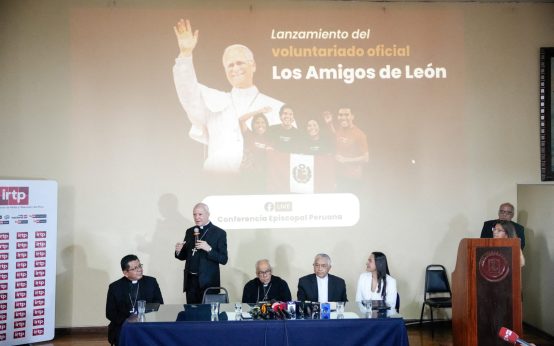 Pope Leo XIV’s Upcoming Visit to Latin America: An Overview
 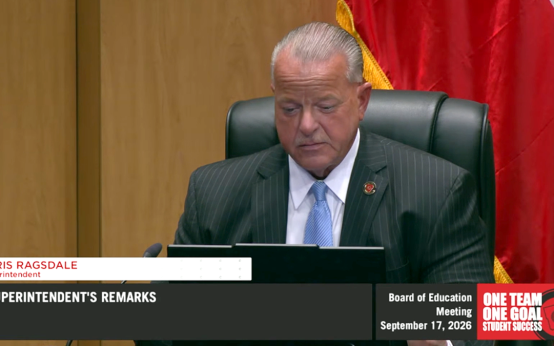 Controversial Removal of ‘The Bluest Eye’ from Georgia School Libraries