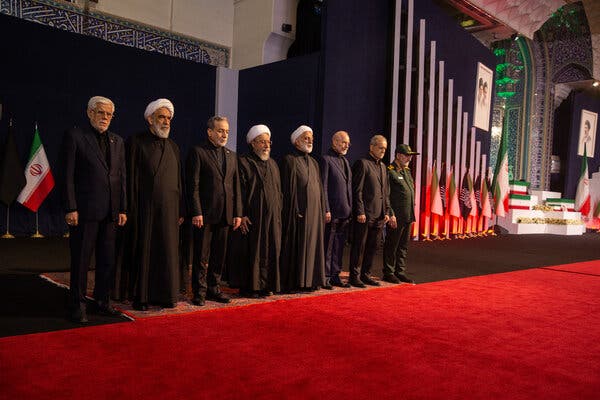
Ayatollah Mojtaba Khamenei’s absence has sparked significant debate within Iran about leadership and has highlighted fractures among its political elite. This situation arose following the death of Ayatollah Ali Khamenei, who was killed during the U.S.-Israeli conflict with Iran. His funeral has become a focal point for political tensions.
Funeral as a Display of Unity
The funeral of Ayatollah Ali Khamenei served as a ceremonial gathering to show strength and unity among Iran’s leaders and military. However, the absence of Ayatollah Mojtaba Khamenei, the new supreme leader, has fueled speculation.
Key figures such as the president, speaker of Parliament, the head of the judiciary, and top generals of the Revolutionary Guards Corps were present, aiming to project a united front. Despite this, Ayatollah Mojtaba Khamenei’s continued absence since March remains a point of concern.
Internal Conflicts and Public Outcry
Leading up to the funeral, Iranian officials faced internal strife over how to handle negotiations with the United States. Accusations of delusion, treason, and disobedience were openly exchanged among prominent figures.
Hassan Rahimpour-Azghadi, a hard-line strategist, openly criticized talks of peace with the U.S. at a capital rally, advocating for retribution instead. This statement reflects a broader sentiment within hard-line factions.
Efforts to Quell Tensions
In an attempt to manage the unrest, Ayatollah Mojtaba Khamenei issued a written statement, which was met with skepticism. Supporters demand visible or audible proof of his leadership to calm growing tensions.
The dynamics at play underscore the challenges facing Iran’s political landscape as it grapples with leadership questions and external pressures.
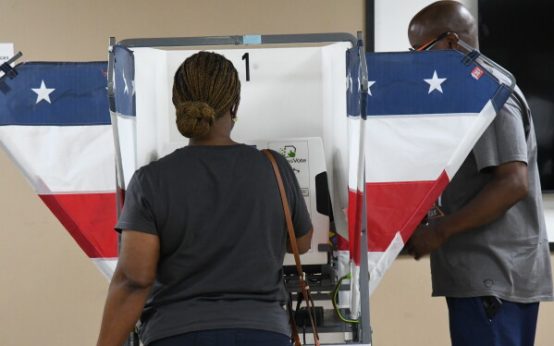 Haitian Community in Maryland Faces Uncertainty After TPS Ends
 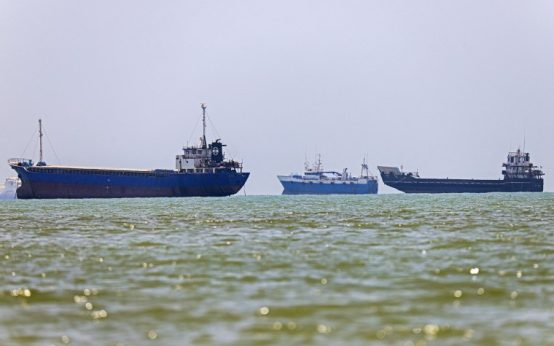 Strait of Hormuz Deal Near Amid Tensions
 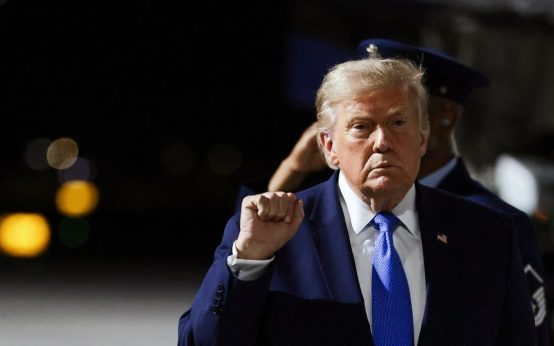 Trump Warns Iran of Strong U.S. Response if Talks Fail
 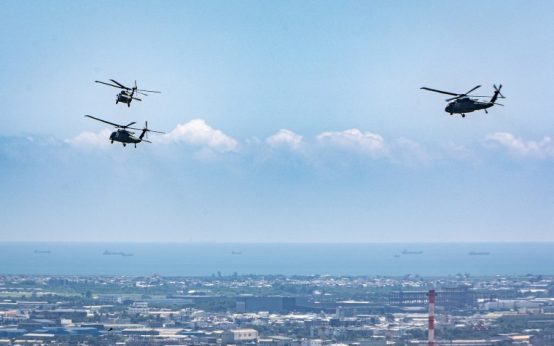 Taiwan Launches Significant Military Drills Amid Rising Tensions
 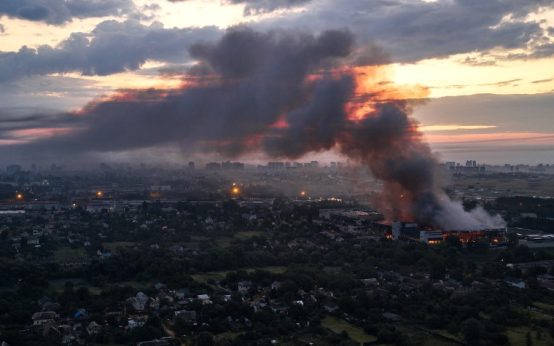 Deadly Russian Missile Strikes in Kyiv Region
 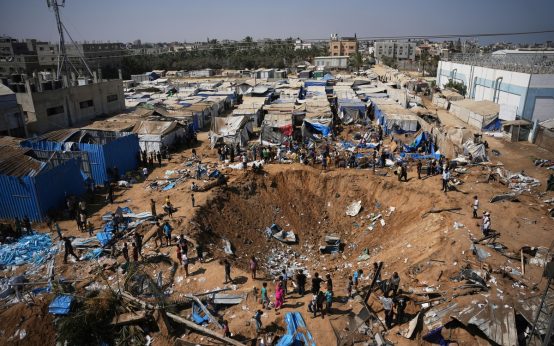 Ongoing Strife in Gaza: Challenges and Stakeholders’ Responses