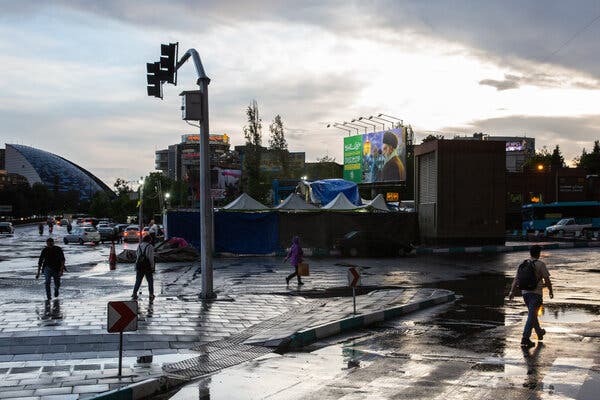
The impact of war has deepened despair among Iranians. Both government supporters and opponents confront economic decline and shattered hopes for change.
The conflict began when Israel and the United States launched an attack on Iran in February. Many Iranians who opposed the Islamic Republic hoped that this would lead to an end to decades of what they viewed as oppressive rule. However, the current situation has extinguished these aspirations. Civilians face loss and devastation, with a death toll of 1,700 reported, extensive destruction, and an economy in turmoil.
Although a cease-fire provides a temporary pause in the violence, ongoing skirmishes continue to fuel fear and uncertainty. Tensions flared when Iran fired ballistic missiles at Israel, citing Israeli attacks in Lebanon. This action raised the possibility of Israeli retaliation.
Apart from the military confrontation, economic challenges aggravate daily life. Basic goods prices have surged, critical industries have been crippled, and the Strait of Hormuz, essential for oil export, remains largely closed. This has sent the already struggling economy into a freefall.
Peace talks give false hope, and conflicting messages from the U.S. about the war’s conclusion leave Iranians anxious. More than 20 individuals interviewed across Tehran, Isfahan, Ahvaz, and Mashhad share a sense of bewilderment. Kimia, a designer in Tehran, voiced frustration. ‘I’m angry. I feel alone,’ she said. ‘We are only seen as tools for war and negotiation, not as human beings.’
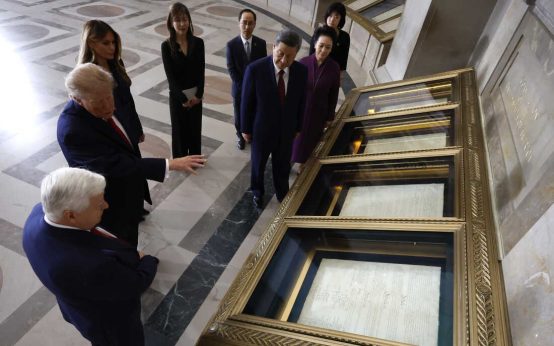 Sensitive Discussions During Trump’s National Archives Visit with Xi Jinping
 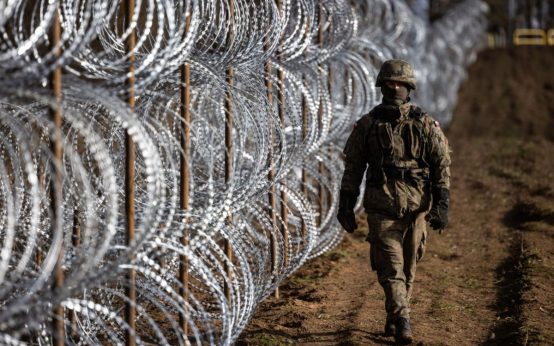 Escalating Tensions Between Russia and the UK
 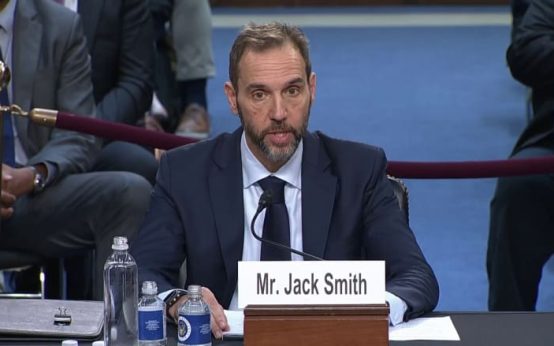 Key Events in Politics and Technology: U.S. and U.K. Developments
 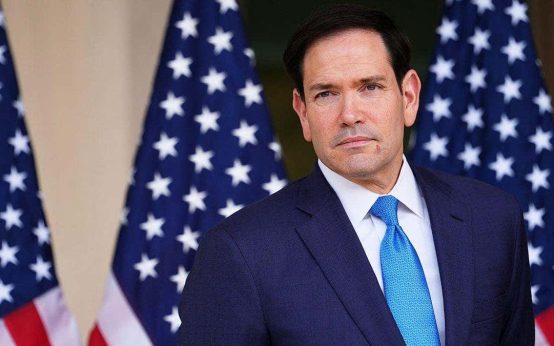 Secretary of State Rubio Comments on Recent UK Terror Threat
 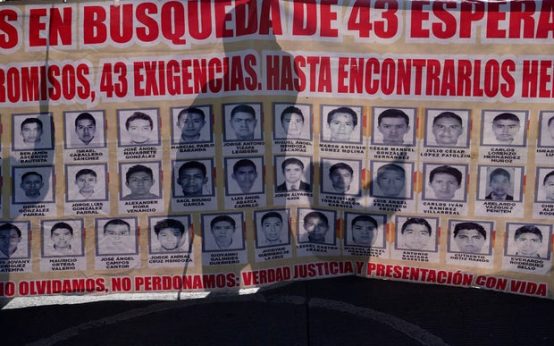 New Developments in Ayotzinapa Case: 17 New Suspects Identified
 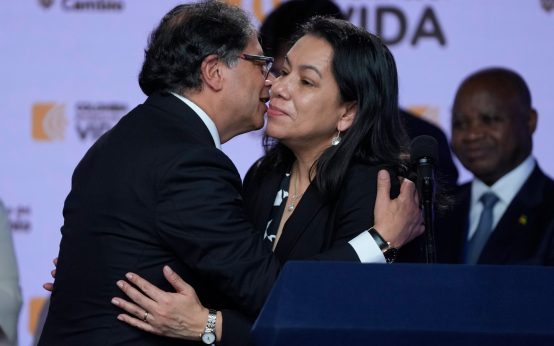 Concerns Arise Over Rodrigues-Birkett in Race for UN Secretary-General