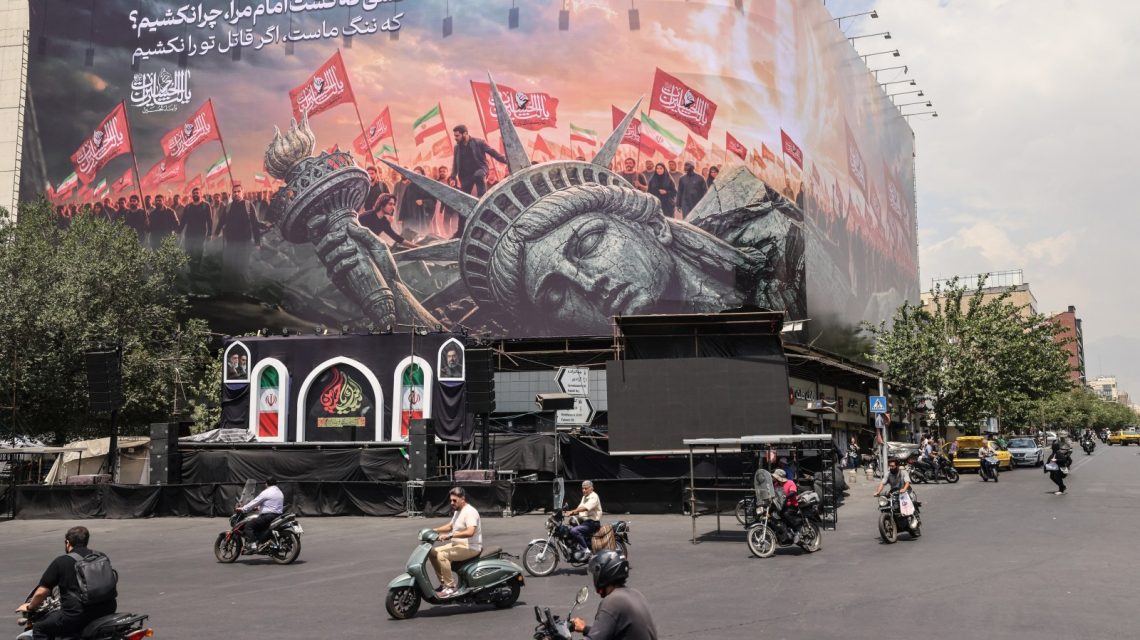
Iran’s Influence in the Middle East Conflict
Iran’s strategic maneuvers have proven formidable amid the conflict initiated by the United States and Israel six months ago. The focus of President Donald Trump’s administration on Iran’s nuclear program has obscured the more immediate threat posed by Iran’s control of the Strait of Hormuz. This chokepoint for global energy trade has caused significant disruption worldwide, including heightened frustration among U.S. consumers burdened by the intervention.
Despite Iran’s nuclear ambitions, the true power lies in its economic leverage. As emphasized by former U.S. Navy official Joshua Tallis, Iran’s ability to impact the global economy surpasses the devastation of nuclear weaponry. Tehran’s strategy involves wielding substantial influence over this critical maritime route, unveiling the limits of traditional warfare.
The Strait of Hormuz: A Strategic Asset
“With relatively few and inexpensive weapons, Iranian strikes on commercial shipping create a cascade effect throughout the global trading system.” – Joshua Tallis
Iran’s potential closure of the Strait of Hormuz has long been a threat, gaining traction following the U.S. withdrawal from the 2015 nuclear deal in 2018. Through effective use of this waterway, Iran manages to launch a cost-effective campaign, diminishing U.S. resources while bolstering its own capabilities.
Tallis highlights how Iran’s strategic movements influence shipping lines, insurance companies, and seafarers, creating impactful, global consequences. The political acceptability of such tactics further solidifies Iran’s grip on the Strait of Hormuz, presenting a significant challenge for the U.S.
Diplomatic Challenges and Regional Impact
Iran’s tactics in the Strait of Hormuz have also complicated U.S. diplomatic endeavors. Though President Trump has hinted at forthcoming agreements, Iran remains resolute, opting for indirect discussions through Oman to ensure secure shipping routes.
Oman’s strategic position in the region has positioned it as a mediator, proposing a fee system to maintain the Strait of Hormuz’s security. Despite potential settlements, Iran has reframed the conflict to center on the strait’s future, challenging U.S. presence in the region.
Adding to this complexity is Yemen’s Ansar Allah, targeting maritime trade and impacting regional stability. Their attacks on shipping routes have forced significant operational shifts, highlighting the fragility of current U.S. alliances in the region.
Changing Perceptions of U.S. Power
As Tehran-based analyst Mostafa Najafi notes, regional actors and even international powers now question the efficacy of U.S. military intervention. The perception of U.S. deterrence has shifted, leading to easier navigation of asymmetric warfare techniques by Iran and its allies.
For Iran, the ongoing geopolitical strife reaffirms confidence in its strategic approach. The potential for a prolonged conflict highlights the U.S.’s challenge in maintaining sustained operations in contrast to Iran’s enduring regional focus.
Future Prospects
The crumbling U.S.-Iran agreement from June has deepened mistrust, demonstrated by recent confrontations involving unauthorized tanker routes. Should large-scale conflict erupt, Iran believes its strategic position grants an advantage. The U.S. faces constraints through economic pressure, domestic uncertainties, and regional partner skepticism.
Iran’s approach, rooted in exploiting vulnerabilities within U.S. military strategies, aims to intensify pressures that surpass those of nuclear deterrents. Strategic analyst Najafi underscores Iran’s long-term objective: utilizing unconventional measures to gradually nudge U.S. forces from the region, achieving goals potentially beyond nuclear reach.
 Calls Grow for Ireland’s Soccer Team to Boycott Matches Against Israel
 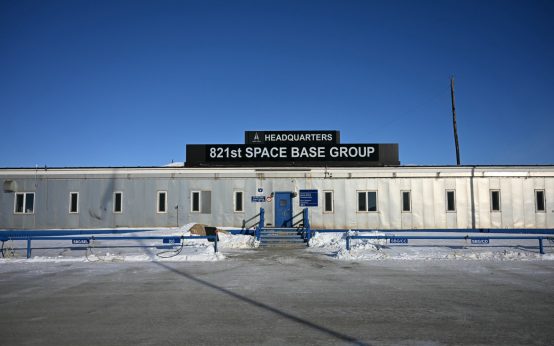 New U.S. Military Bases Planned in Greenland Amid Strategic Security Deal
  Twitch Streamer Hasan Piker Discusses Controversial Commentary
  A Shifting Political Landscape: The Decline of Autocratic Power
  Trump Delivers Warning to Iran, Cuba at UN General Assembly
 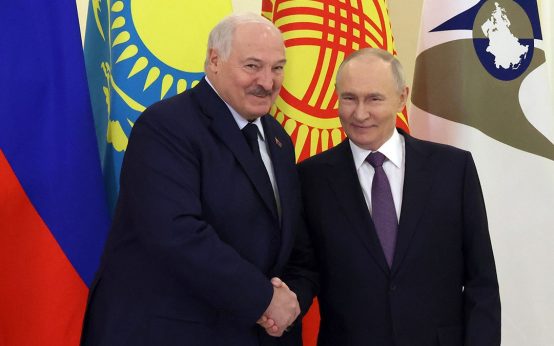 Lukashenko and Putin’s Unique Relationship and Belarus’ Strategic Role