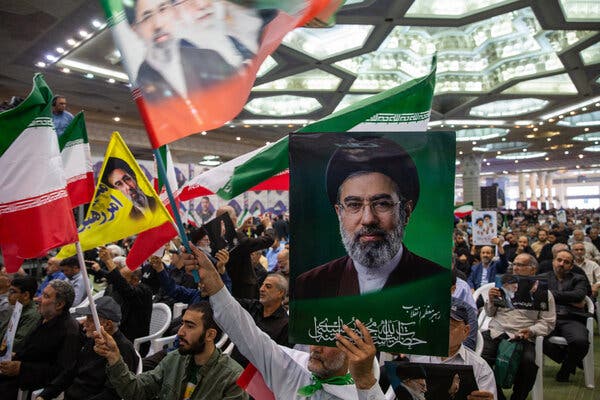
Iran’s supreme leader, Ayatollah Mojtaba Khamenei, has publicly distanced himself from a recent agreement with the United States. This move shifts the responsibility to Iran’s president, Masoud Pezeshkian. Khamenei emphasized that acceding to U.S. demands is not part of the deal.
In his initial comments about the agreement, Khamenei expressed his approval of the deal, yet noted his opposition to signing it. He described this position as a matter of principle but provided no further explanation. The agreement offers Iran significant economic advantages while postponing discussions about its nuclear program.
Khamenei indicated his acceptance of the deal because President Pezeshkian assumed responsibility for it. Pezeshkian promised to safeguard Iranian rights and support the “resistance front,” a probable nod to Hezbollah, a militancy supported by Iran and engaged in conflict with Israel.
He has also stated explicitly that if the American side seeks excessive demands, he will not submit to them,Mr. Khamenei wrote, referring to Mr. Pezeshkian.
Khamenei commended Iranian diplomats while criticizing President Trump, saying Trump was forced into the agreement through desperation.
This stance effectively places the onus for the agreement on Iran’s elected government. Iran operates under a hybrid political system where elected bodies possess significantly less authority compared to theocratic entities like the supreme leader.
 Toddler Causes Flight Cancellation Due to Seat Belt Issue
 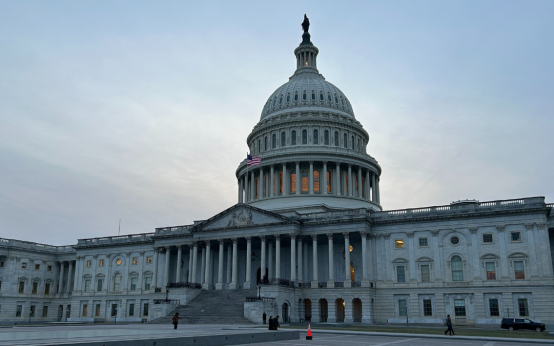 Senate’s Packed Agenda Faces Legislative Challenges
  Pentagon Urges Defense Industry to Increase Weapon Production
 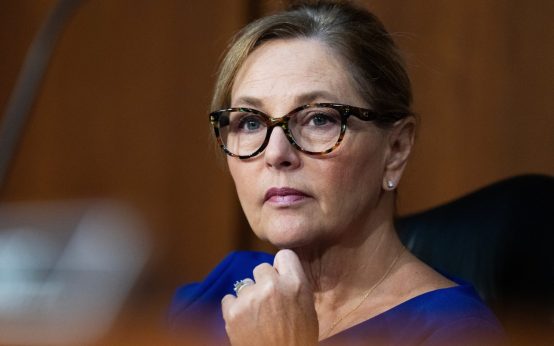 Darline Graham’s Lead in South Carolina GOP Senate Race
 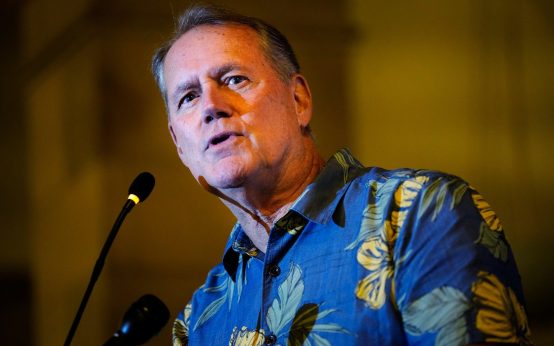 Hawaii’s Democratic Primary Highlights Party Divisions
 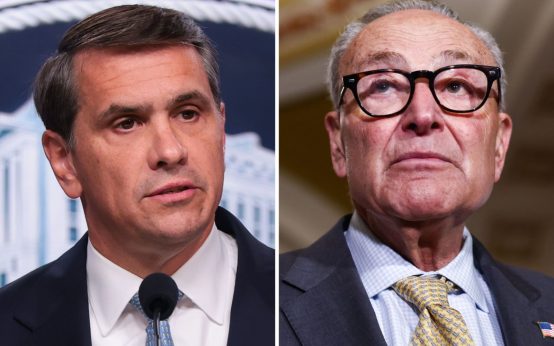 Todd Blanche’s Confirmation as Attorney General Sparks Debate