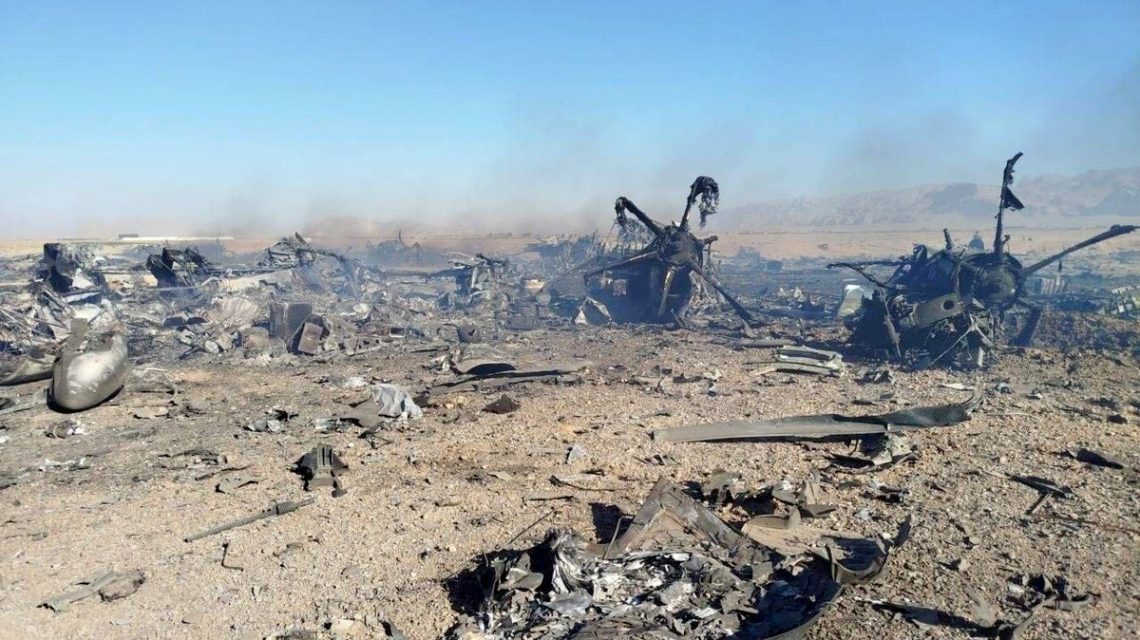
Former Navy SEAL Andy Stumpf shared insights into a remarkable rescue mission in Iran. The mission involved 155 aircraft and saved an airman using the call sign ‘Dude 44 Bravo’ after a 48-hour escape. Stumpf highlighted the evolution of U.S. military strategies since the failed 1980 Operation Eagle Claw. Notably, the mission was completed without a single U.S. casualty.
An Air Force colonel, known by the call sign ‘Bravo,’ survived a plane downing over Iran, enduring a fall, three fractures, and a two-day pursuit. In a CBS News interview, he recounted turning to faith as his damaged parachute plunged him toward the desert. Bravo prayed for divine help during the harrowing experience.
On April 2, a missile struck an F-15E Strike Eagle, part of a mission targeting Iranian drone and missile facilities. Bravo was the weapons officer behind the pilot, identified as ‘Alpha.’ The missile hit felt like a freight train. They attempted to save the $30 million aircraft but had to eject as the situation deteriorated. Alpha landed safely, but Bravo’s parachute was compromised.
Despite serious injuries, Bravo traversed a 7,000-foot ridge, escaping detection by Iranian forces hunting him. U.S. military officials confirmed that Iranian search efforts came close. In the meantime, American forces extracted Alpha under gunfire.
Defense Secretary Pete Hegseth prioritized rescuing both airmen. Bravo remained in enemy territory overnight due to challenging conditions. U.S. forces executed a complex deception strategy with the CIA, supported by classified technology, to locate Bravo.
Ninety U.S. personnel entered Iran, the first since 1979. Helicopters and rescue planes participated in the mission. Bravo described seeing his rescuers as one of his life’s greatest moments. Yet, the rescue operation faced further challenges when rescue planes got trapped in the desert sand.
A specialized Air Force unit eventually extracted the stranded service members. The U.S. military then destroyed the aircraft to safeguard sensitive technology. Bravo was safely retrieved approximately 50 hours after the ordeal began.
The colonel’s survival was attributed to divine assistance and effective teamwork, faith, and decision-making. Bravo emphasized it’s a story of American commitment to leaving no soldier behind.
 Daring U.S. Rescue Mission in Iran
 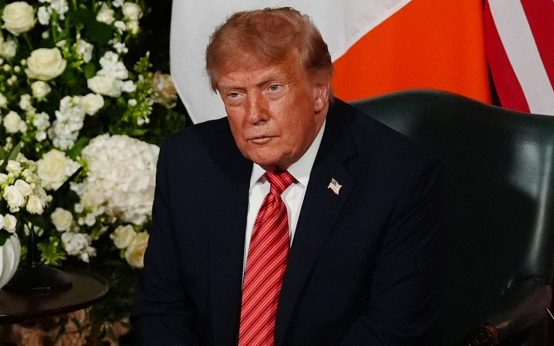 Trump Discusses Chinese Surveillance and Iran’s Missile Strike
 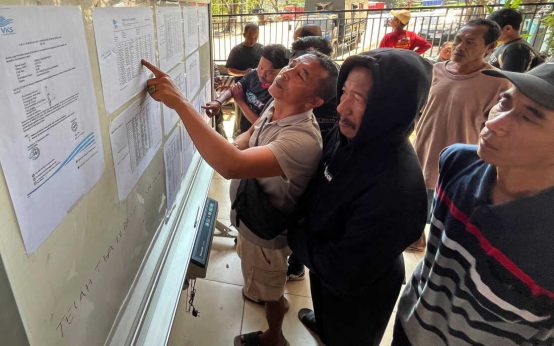 Search for Missing Passengers After Java Sea Ferry Disaster
 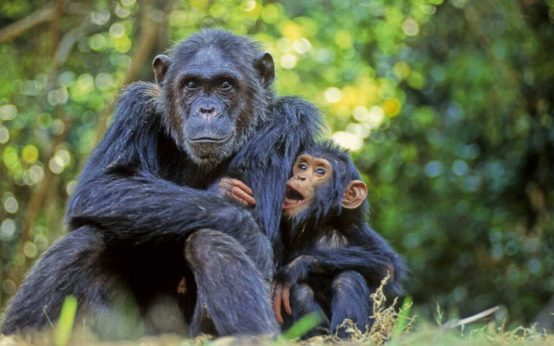 Chimps and Self-Medication: Insights from Gombe Stream
  U.S. Claims Victory Over Iran Amid Concerns
  U.S. and China Clash Over AI Governance