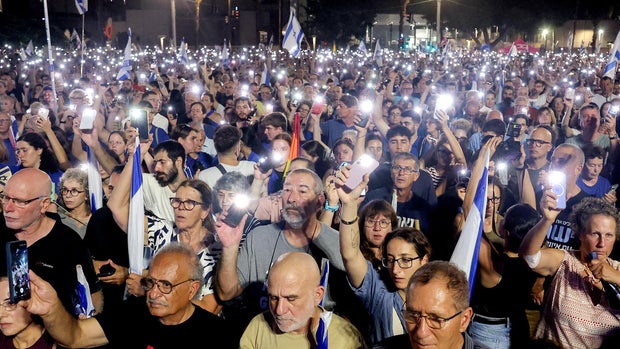
On October 24, 2026, a major demonstration occurred in Tel Aviv with tens of thousands demanding accountability from Benjamin Netanyahu’s government for perceived failures linked to the October 7 terror attacks. Protesters, calling for a state commission of inquiry, gathered at Hostages Square ahead of the upcoming parliamentary election.
The Israeli election on Tuesday is significant, marking the first since the attacks. Among the 39 parties participating, Netanyahu, often referred to as Bibi, remains a central figure, having dominated politics for over three decades.
In Tel Aviv’s markets, opinions about Netanyahu vary. Benny Abraham, a restaurant owner, expressed support for Netanyahu, praising his influence and leadership qualities, calling him “the king of Israel.” Others, like Liat and her husband Sharon, believe it is time for change despite acknowledging Netanyahu’s past contributions.
The divide in opinions is fueled by several issues. These include changes affecting the judiciary, ongoing corruption trials, and allegations that Netanyahu ignored warnings about the October 7 attacks. Margalit Moses, an 80-year-old former hostage taken by Hamas, expressed doubt in Netanyahu’s ability to protect Israel. She advocates for a more centrist government and hopes for peace with Arab communities.
Netanyahu’s campaign frames the election as crucial for Israel’s future. Political posters near the Gaza Strip present the choice between “Right or Palestine,” positioning opposition members to the left. Leading the opposition is Gadi Eisenkot, a former military chief critical of Netanyahu’s handling of the Gaza conflict.
Analyst Dahlia Scheindlin describes Eisenkot as a pragmatic figure for many Israelis. Despite former President Trump’s endorsement of Netanyahu, Eisenkot is expected to bring change by distancing from religious and ultra-nationalist influences. He promises to investigate the October 7 attacks and address ultra-Orthodox military exemptions, issues resonating with the opposition.
Polls indicate Eisenkot’s party is ahead; however, forming a government would require coalition-building with multiple parties. Scheindlin acknowledges the possibility of Netanyahu remaining in power, citing his skilled maneuvering within Israel’s political system.
The Israeli election is pivotal, testing Netanyahu’s enduring political strength amid public unrest and demands for change.
 Bear Cub Leads Hunters to Find Missing Colorado Man’s Remains
 Democratic Candidate Scott Colom Engages Voters Outside Trump Rally
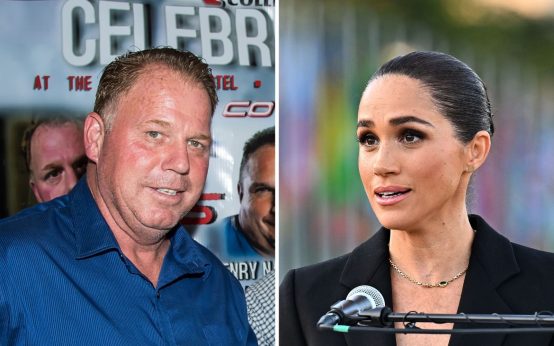 Investigation into Allegations Against Thomas Markle Sr.
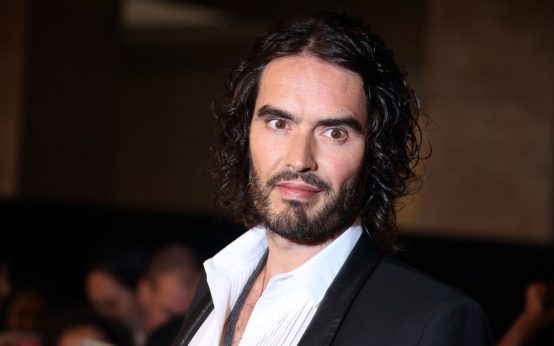 Russell Brand Convicted of Rape and Sexual Assault in the U.K.
 Remains of WWII Soldier from ‘Merrill’s Marauders’ Identified
 Wave of Bomb Threats Disrupts Flights Across Europe