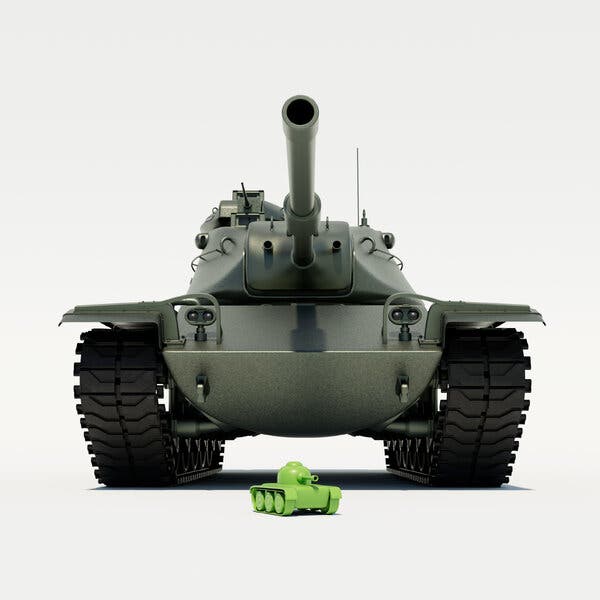
Small states reliant on great powers for protection encounter a unique challenge. They often become militarily strong but lose strategic focus. These states learn to wield power but ignore the long-term consequences. They mimic sovereignty but avoid its burdens because others shoulder the costs. This reliance results in an erosion of strategic thinking, replaced by an overconfidence in force over diplomacy.
Israel is an example of this phenomenon. Its recent assault on Iran, in collaboration with the United States, aimed to reassert regional dominance. However, it highlighted Israel’s limitations. While Iran’s nuclear ambitions suffered a setback, they remain intact. The regime persists, possibly becoming more resilient having survived the conflict. The recent U.S.-Iran memorandum aims to stop conflict on American terms, showcasing the extent of Israel’s strategic achievements. Although Israel participated in warfare with the U.S., it lacked the power to shape the outcome.
This situation underscores the precariousness behind Israel’s operational victories. While Israel can strike Iran, hitting a target does not equate to resolving a conflict. The outcome is strategic uncertainty, sidelined diplomacy, and an increased reliance on the United States—a reality Israel’s leaders might find hard to fully admit.
For years, Israel has projected an image of self-sufficiency while benefiting from American support. The assertion that Israel can independently defend itself is supported by U.S. military aid, intelligence sharing, and restocking of arms. This assistance includes $3.8 billion annually in U.S. military support. Yet, the more Israel relies on the U.S., the more vigorously it proclaims its independence.
 Marco Rubio Criticizes NATO’s Role Amid Middle East Conflict
  Israeli Prime Minister’s Visit to the U.N. Amid Controversy
  U.S. Secures Strategic Arctic Agreement
  Trump Administration’s Plan to Resettle Afrikaners as Refugees
  Trump’s Vision on Iran, AI, and Global Security at the UN
  Lithuanian Leader Seeks U.S. Military Commitment Amid Rising Russian Threats