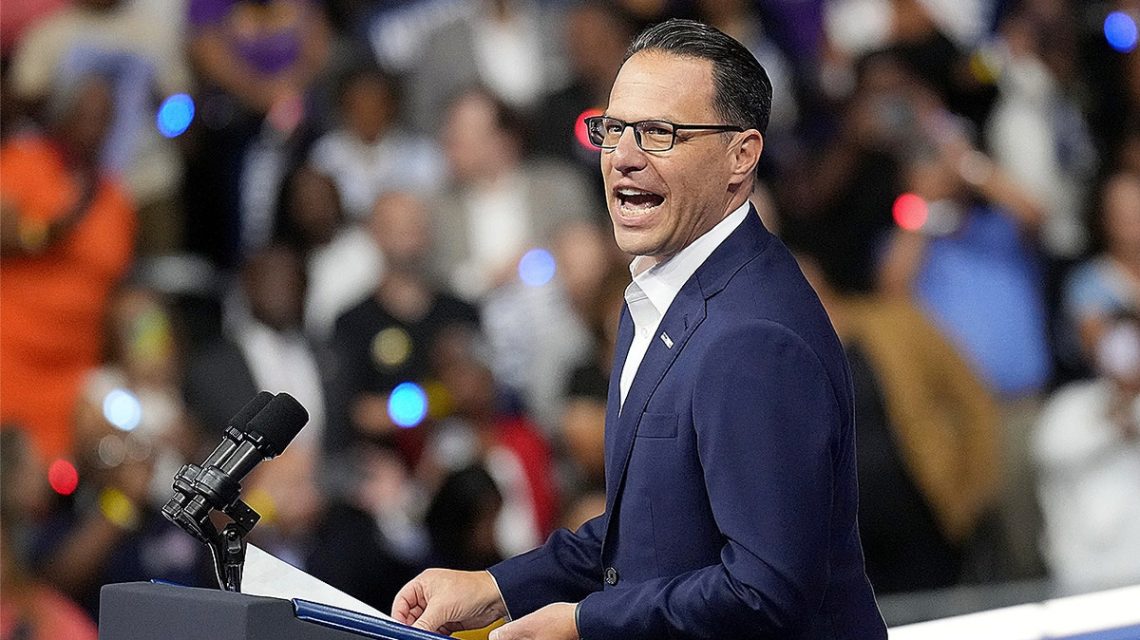
Pennsylvania Governor Josh Shapiro appears to have reached a significant turning point in his political career. Echoing the famous character from the movie ‘On the Waterfront,’ Shapiro recently seemed to abandon his principles in a move that aligns with the radical left. In a recent appearance on ‘Morning Joe,’ he called for ‘radical reform of the Court,’ a phrase often linked to the idea of court packing.
This proposal seeks an immediate liberal majority in the Supreme Court to reverse several decisions and guide a new political agenda. It’s disappointing because Shapiro might have distinguished himself from other politicians bowing to popular pressures. Instead, he joined a trend championed by high-profile Democrats, including Kamala Harris and Pete Buttigieg, who support the court-packing strategy.
Shapiro had the opportunity to offer moderation in his party. He could have been a voice against the radical elements pushing for extreme changes. Despite being overlooked as a vice-presidential candidate, possibly due to his Jewish identity, Shapiro could have promoted balance and caution in his party regarding core institutions like the Supreme Court.
Instead, he chose to align with aggressive political maneuvers. Recently on MS NOW, Shapiro said, ‘I think we need radical reform that’s actually going to ensure that the voices of the people are heard and represented in the three branches of government. We don’t have that right now.’
These comments mirror those of other advocates like Senator Elizabeth Warren, who claims the court’s legitimacy is compromised due to decisions opposing public opinion. The Supreme Court, however, was never intended to reflect popular sentiment. It serves as a counterbalance, protecting minority interests and upholding the constitutional system against transient majorities.
In ‘Rage and the Republic,’ I explore how the framers aimed to prevent direct democracy, which has historically failed. Such systems often devolve into what Benjamin Rush termed ‘mobocracy.’ The Supreme Court plays a crucial role in preventing the Republic from self-destructing.
For years, some academics and commentators have supported the idea of transforming the Court to facilitate systemic changes. On the 250th anniversary of the Republic, these voices are gaining ground. Harvard professor Michael Klarman once outlined a plan to ensure electoral defeats for Republicans through a packed Supreme Court. Former Attorney General Eric Holder has also emphasized court-packing if Democrats achieve a trifecta in government by 2028.
Figures like James Carville are candid in their support, suggesting immediate court expansion if Democrats secure power. Now, Shapiro has joined these advocates.
The Supreme Court has independently ruled against the Trump administration in cases like birthright citizenship, showcasing its ability to constrain executive power. Yet, Shapiro criticizes these decisions, arguing that they should be obvious and unanimous.
Shapiro accuses the judiciary of yielding excessive power to the Executive Branch. Nevertheless, the current Court has challenged presidential authority on several fronts, including tariffs and citizenship. Shapiro’s stance echoes those of others hesitant to label their actions as court-packing, opting for vague appeals to ‘radical’ reforms.
This preparation for structural changes aims to cement Democratic dominance, though most voters oppose court packing. The hope is that voter dissatisfaction may eventually lead to demands for drastic changes.
Shapiro and his peers are misguided in thinking they’ll escape their creation’s repercussions. Rejecting his state’s involvement in the 250th anniversary of the Republic won’t appease a growing far-left movement.
Despite aligning with popular movements, Shapiro and others may soon find themselves targets. Activists recently warned House Minority Leader Hakeem Jeffries, indicating broader dissatisfaction. What remains is a reflection on what Shapiro might have achieved if he had chosen a different path.
Jonathan Turley is a Fox News Media contributor and Shapiro Professor of Public Interest Law at George Washington University. His latest book, ‘Rage and the Republic,’ explores these themes and more regarding the American political landscape.
 Congressman Randy Fine’s Bold Political Stance and Views on AI Regulation
 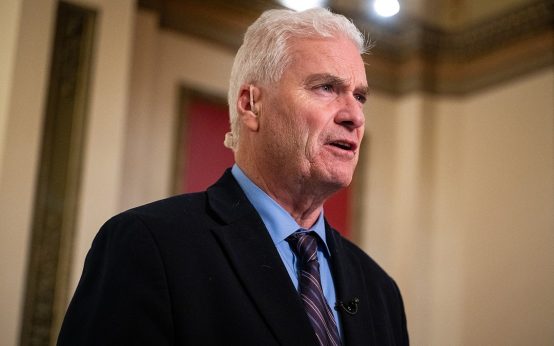 Political Messaging and Strategy Leading Up to Midterms
  President Trump Proposes ‘Super Intelligence’ as New AI Term
  Trump Administration Considers Diesel Export Ban Amid Rising Prices
 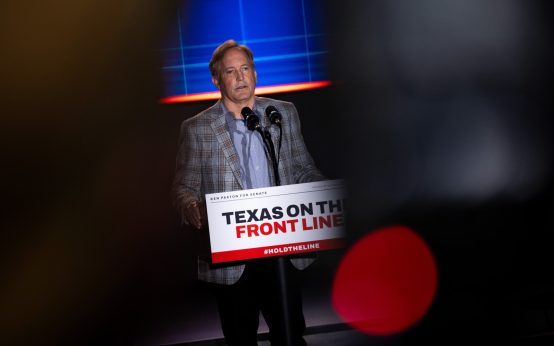 Texas Senate Race Tightens with Shifting Youth Support
 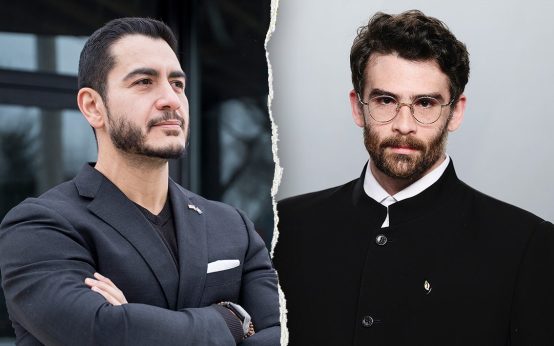 Flight 93 Hero’s Father Criticizes Ties Between Hasan Piker and Abdul El-Sayed