
Overview of Court Ruling
A federal judge has allowed President Donald Trump’s executive order to proceed. This order aims to create a federal voter list and limit mail voting, possibly impacting American election procedures before the upcoming midterm elections.
U.S. District Judge Carl Nichols has rejected challenges from Democrats and civil rights organizations. They argued Trump’s order might be unconstitutional as election rule-setting is the jurisdiction of states and Congress. Nichols found it premature to block the order since it hasn’t been implemented yet.
“The Court recognizes that the Postal Service may ultimately issue a final rule that directly affects Plaintiffs or their members,” Nichols stated.
Nichols acknowledged potential issues but advised plaintiffs to renew motions if future actions take place affecting them directly. Until specific applications of the order are evident, preliminary relief was deemed unwarranted.
Legal Challenge Continues
Meanwhile, in Boston, voting rights groups pursue legal action to block the order. The administration hasn’t yet issued voter eligibility lists. Those seeking an initial halt have indicated readiness to challenge further developments.
Juan Proaño, CEO of the League of United Latin American Citizens, said, “We are ready to resume the fight if and when the administration takes those next steps.”
Background on Trump’s Voting Policies
Trump initiated the order after a related congressional bill failed. The federal voter list would determine mail ballot recipients. Election officials warn it could lead to misuse and confusion.
Since losing the 2020 election to Joe Biden, Trump claims mail-in voting fraud, a notion disproved by investigations. He seeks federal control over election management in Democrat-dominated areas.
Democrats and civil rights groups pressured Nichols for a restraining order amidst primary and pre-midterm activities.
Previous Executive Order Attempt
This is Trump’s second attempt at revising election processes via executive order. His prior order shortly after beginning his second term proposed citizenship proof for voter registration. It faced opposition from multiple federal judges.
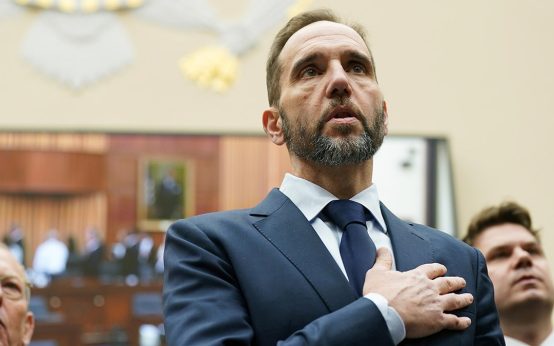 House Republicans Release Transcripts in Jack Smith Investigation
 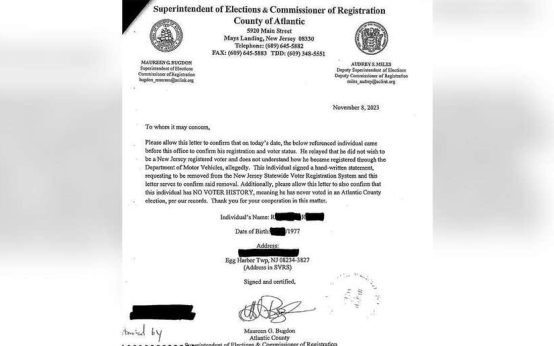 RNC Files Lawsuit for Transparency in New Jersey’s Voter Roll Maintenance
 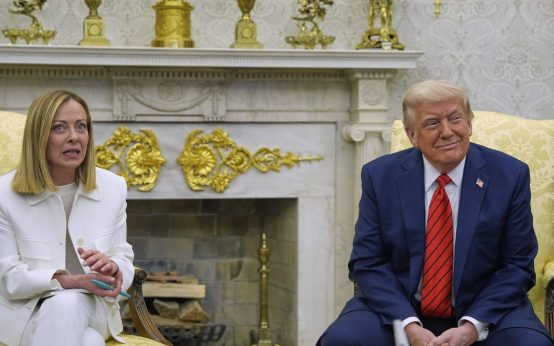 Italian PM Giorgia Meloni Skips UN General Assembly Amid Growing Tensions
  Calls Grow for Ireland’s Soccer Team to Boycott Matches Against Israel
 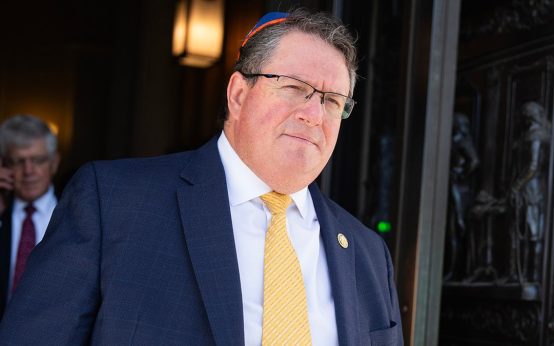 Congressman Randy Fine’s Bold Political Stance and Views on AI Regulation
  Political Messaging and Strategy Leading Up to Midterms