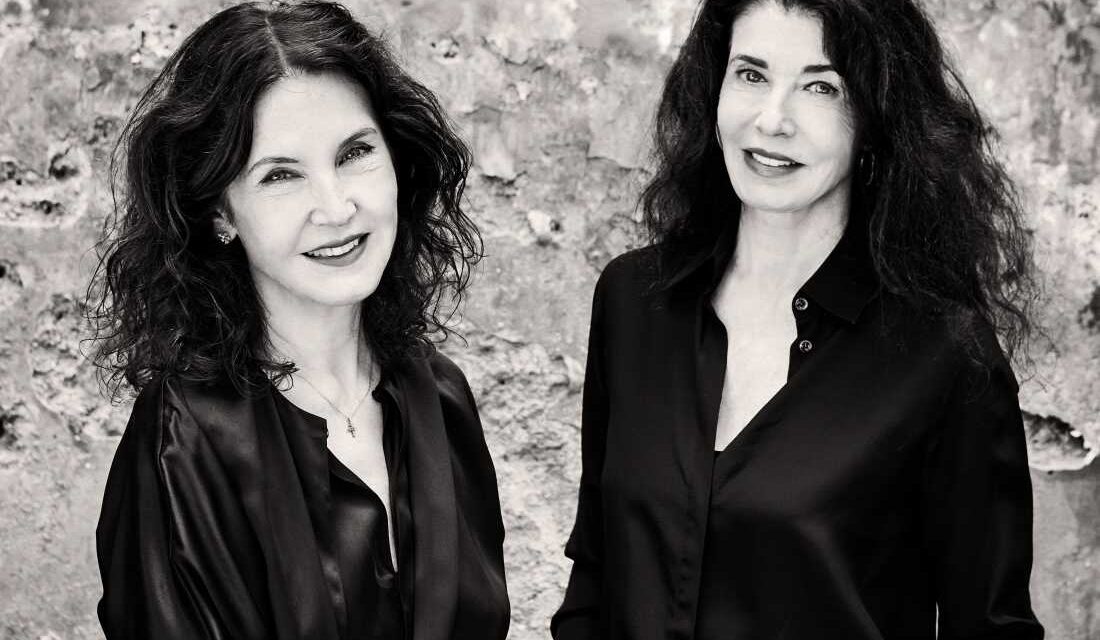
In 1969, a significant moment occurred at the Paris Conservatoire for Katia and Marielle Labèque, two determined piano-playing sisters from France. They were practicing Visions de l’Amen, a challenging two-piano work by Olivier Messiaen, a legendary composer and teacher at the school. Upon hearing the sisters perform, Messiaen suggested that one of them should record the piece with his wife. The Labèques declined, expressing their commitment to performing as a piano duo. Messiaen acquiesced and supervised the sisters’ first recording.
This first recording has now become part of a newly released three-disc set by the Labèques titled 55. The album comprises 55 tracks, representing more than 55 years of their recording journey. Within these tracks are expected classics from the Labèques’ extensive catalog, including Dvořák’s Slavonic Dances and Gabriel Fauré’s Dolly Suite, as well as arrangements of pieces by Gershwin, Bernstein, and Debussy.
This collection offers more than a retrospective of past works. Nearly half of the album consists of newly recorded tracks. Significantly, many of these pieces are composed by women, highlighting the sisters’ commitment to showcasing talent often overlooked, including by themselves.
“What Messiaen heard in the Labèques’ playing remains their calling card — extraordinary precision, finishing each other’s musical sentences, plus warmth of tone and a palpable fearlessness.”
The new recordings include compositions by noteworthy female composers. These feature Grażyna Bacewicz from Poland, gaining recognition in the 20th century, and Emahoy Tsegué-Maryam Guèbrou, an Ethiopian nun who passed away in 2023. Also featured are pieces by Lili Boulanger, noted for her impressive though brief career, and an influential arrangement of “Troubled Water” by Margaret Bonds, an African American composer born in 1913.
Roughly half of the album features two-piano duets, with Katia and Marielle each at separate pianos. These include performances from Manuel de Falla’s Spanish Dance No. 1 and a lively “Carolina Shout” by James P. Johnson. Their rendition of Stravinsky’s Rite of Spring delivers powerful energy through the pianos’ wooden and wire components.
The sisters also explore four-handed repertoire, sharing a single piano. Such performances often convey an intimate feel, as reflected in classic recordings of Ravel’s Mother Goose and Bizet’s Jeux d’enfants. They even delve into lesser-known French composers such as Marie Jaëll, the first French pianist to perform all Beethoven’s sonatas in 1893. Her Waltz, Op. 8, No. 8 reveals a captivating blend of shadows and French elegance.
On occasion, the Labèques step apart from their duo performances. Katia collaborates with Chick Corea on “We Will Meet Again” by Bill Evans, exploring pieces by William Duckworth and Dora Pejačević, while Marielle performs solo on works by Erik Satie, Howard Skempton, and Bryce Dessner of the rock band The National.
Over their half-century-long career, Katia and Marielle Labèque have continually redefined the sound and reach of two-pianist music. Their latest 55-track album serves as a compelling testament to their journey and enduring musical prowess.
 Discussion on NFL Draft Comparison and Simone Biles’s Car Issue
 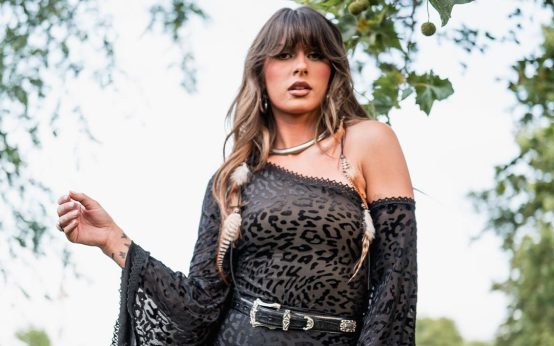 Ella Langley Makes Billboard Hot 100 History with ‘Choosin’ Texas’
  Bunnie Xo’s Post-Divorce Adventures Spark Debate Over Age Gap
  Alan Ritchson Faces Backlash Over Political Remarks
 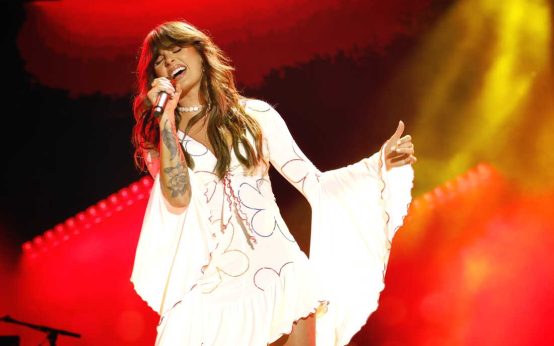 Ella Langley’s Record-Breaking Chart Success: The Rise of ‘Choosin’ Texas’
 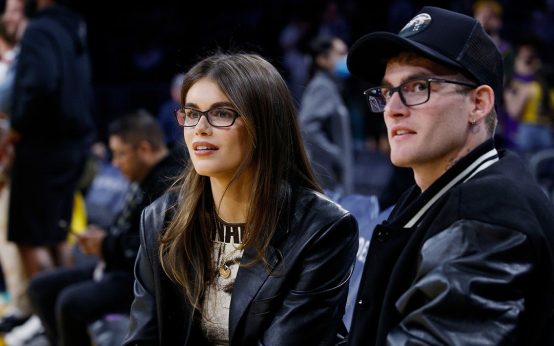 Presley Gerber’s Death: Tributes from Friends and Family