
Voters in California face a challenging decision as they select their next governor. This race holds significant national interest as the leader of the most populous blue state often plays a crucial role in opposing President Donald Trump’s administration.
California’s primary system and a series of scandals have added layers of unpredictability to this year’s election. The field of candidates, including notable figures such as Katie Porter, Tom Steyer, and Xavier Becerra, remains low-profile compared to past elections, making outcomes harder to foresee.
The unusual structure of California’s primary elections contributes to the complexity. All candidates, regardless of party affiliation, compete in a single primary. The top two vote-getters then advance to the general election. This open format can lead to unexpected matchups and outcomes.
Issues around scandals have also cast shadows over the campaign. Allegations and controversies have emerged, impacting public perception and candidate viability. Voters must navigate these challenges to make informed decisions.
Despite the muddled landscape, the decision voters make carries weight. The individual chosen will play a pivotal role in shaping both state and national policies, diverging from or aligning with Trump’s federal government strategies.
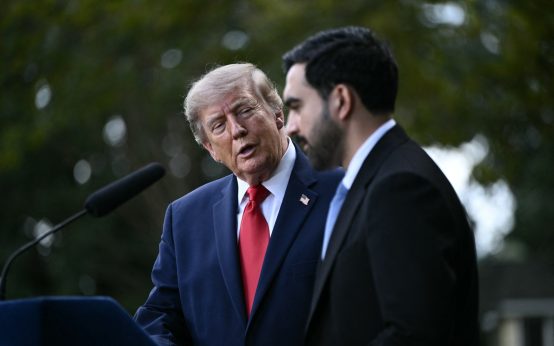 Poll Reveals Voter Preferences Between Socialist Democrats and MAGA Republicans
  Challenges of Electing a Female President: Insights from ‘The View’
  Upcoming Concerns and Influence in Health Politics
  Rep. Donalds Distances Himself from Trump as Florida Governor Race Tightens
  Controversy Surrounds President Trump’s Proposed D.C. Arch
 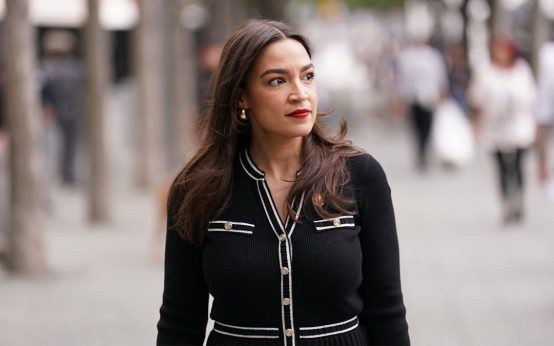 AOC and the 2028 Presidential Election: Gender, Race, and Politics