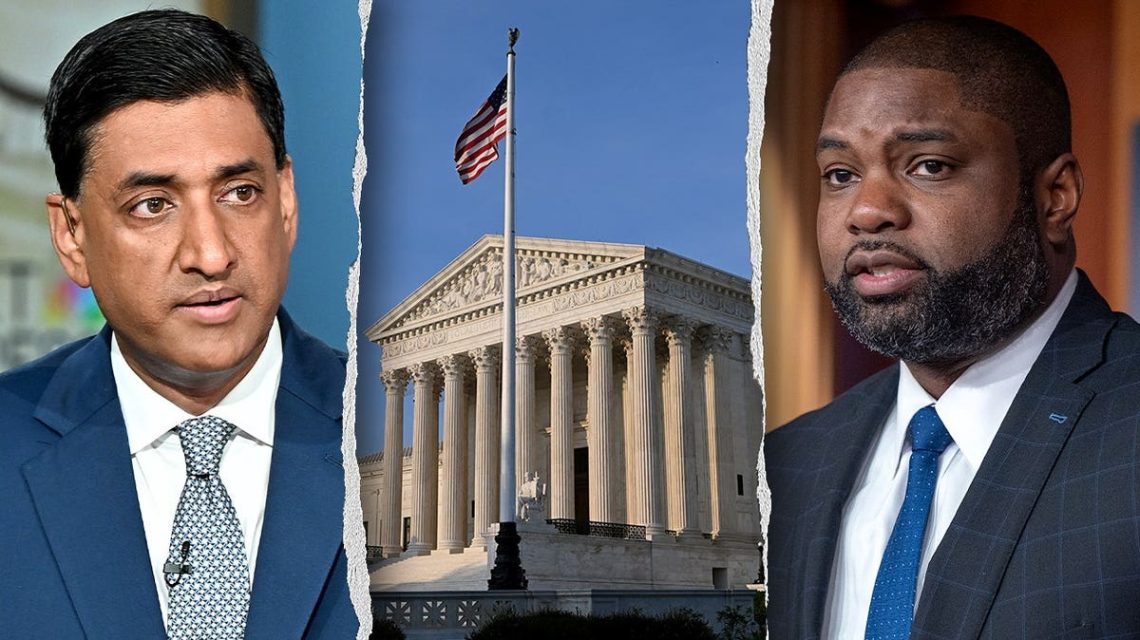
Lawmakers in Washington, D.C. have expressed mixed reactions following the Supreme Court’s decision to reject former President Donald Trump’s attempt to eliminate birthright citizenship. The ruling ensures that children born in the United States continue to be recognized as U.S. citizens.
Rep. Byron Donalds from Florida called it a “terrible decision” during an interview, expressing concern over unregulated immigration practices related to childbirth. In contrast, Rep. Ro Khanna from California emphasized the need for regulation of immigration procedures while maintaining citizenship rights for those born in the nation.
Khanna stated, “In terms of the immigration process coming in, there should be regulation. Not that once you’re born here we’re going to denaturalize you.” This sentiment follows a prominent GOP member’s call for legislative action to limit both birthright citizenship and access to pregnant visitors.
The debate stems from Trump’s executive order aiming to disconnect birthright citizenship from the 14th Amendment. Many Democrats argued that overturning the court’s decision would have challenged constitutional principles. For instance, Rep. Christian Menefee from Texas supported the ruling, asserting that the Constitution’s language is clear on this matter.
“The Supreme Court said that the Constitution says what it says,” Menefee commented, regarding the court’s interpretation of the 14th Amendment. Rep. James Clyburn from South Carolina added support for the Constitution’s stability, while Rep. Seth Magaziner from Rhode Island highlighted larger societal issues beyond birthright citizenship.
With a 6-3 vote, the decision marks a considerable setback for Trump’s immigration strategies, which have criticized birthright citizenship for allegedly encouraging illegal immigration. Rep. Sarah Elfreth from Maryland noted Trump’s persistent targeting of immigrant communities while attributing discomfort to his administration’s immigration policies.
Justices Clarence Thomas, Neil Gorsuch, and Samuel Alito dissented, arguing against the universal application of birthright citizenship under the 14th Amendment. Alito raised concerns about “birth tourism” and potential national security risks associated with foreign births.
Although some representatives, like Ilhan Omar from Minnesota and Maxine Waters from California, did not comment, others were vocal about their approval of the decision. Rep. Bennie Thompson from Mississippi remarked on the importance of constitutional stability over individual opinions.
 Federal Appeals Court Decision Against Trump’s ‘Third-Country’ Deportation Policy
  President Trump’s Controversial Ban on Media Outlets Sparks Press Freedom Concerns
  U.S. Security Agreement in Greenland Sparks Optimism and Concerns
  Cook County’s Property Tax Bridge Loans
  A Controversial Stance on Immigration Policies Sparks Debate in South Carolina
  Trump Administration Challenges In-State Tuition for Undocumented Students