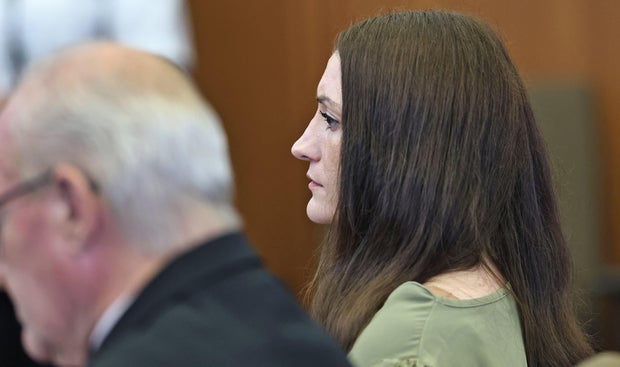
Kevin Reddington, the attorney representing Lindsay Clancy, announced plans to file a motion to dismiss the case against her. The request is set for presentation during a status hearing on September 29. Reddington aims to argue that double jeopardy applies, as there was no manifest necessity to declare a mistrial in the first place.
Clancy faces accusations of murdering her three children, aged between 8 months and 5 years, at their Duxbury, Massachusetts residence on January 24, 2023. Her defense team argues that she was not criminally responsible due to excessive medication and postpartum psychosis. The prosecution asserts that Clancy intentionally killed her children and was aware of her actions.
The trial concluded in a mistrial on September 4, following over seven days of deliberations without reaching a unanimous verdict. The jury reportedly split 11 to 1, with the foreperson revealing a juror’s failure to adhere to court instructions on reasonable doubt.
A female juror, known as juror No. 5, stated, “The stand-alone juror was not the only one unwilling to see things from the other side.”
Judge William Sullivan declined Reddington’s requests to dismiss the holdout juror or further question them. Despite this setback, Reddington plans to continue advocating for his client.
Legal expert Caroline Polisi labeled Reddington’s move for dismissal on double jeopardy unusual but significant. Typically, a mistrial does not trigger double jeopardy, allowing prosecutors to retry the case. Polisi explains Reddington’s contention that the mistrial lacked manifest necessity, as the judge did not investigate the juror’s ability to abide by their oath further.
If the motion succeeds, Clancy could be released. Alternatively, Plymouth District Attorney Tim Cruz might negotiate a plea deal with reduced charges.
Reddington reiterated that Clancy is “not well,” expressing his long-standing belief that she should not face jail time. He notes her ongoing psychiatric treatment at Tewksbury and hopes greater awareness about postpartum psychosis emerges from the trial.
In an interview, Reddington shared why he asked President Trump for a pardon despite the president’s power being limited to federal crimes. Reddington hopes Trump will intervene at the state level, potentially influencing a resolution.
President Trump acknowledged the gravity of Clancy’s actions and indicated possible outcomes such as institutionalization or imprisonment. He recognized the prospect of another trial but considered it unfortunate.