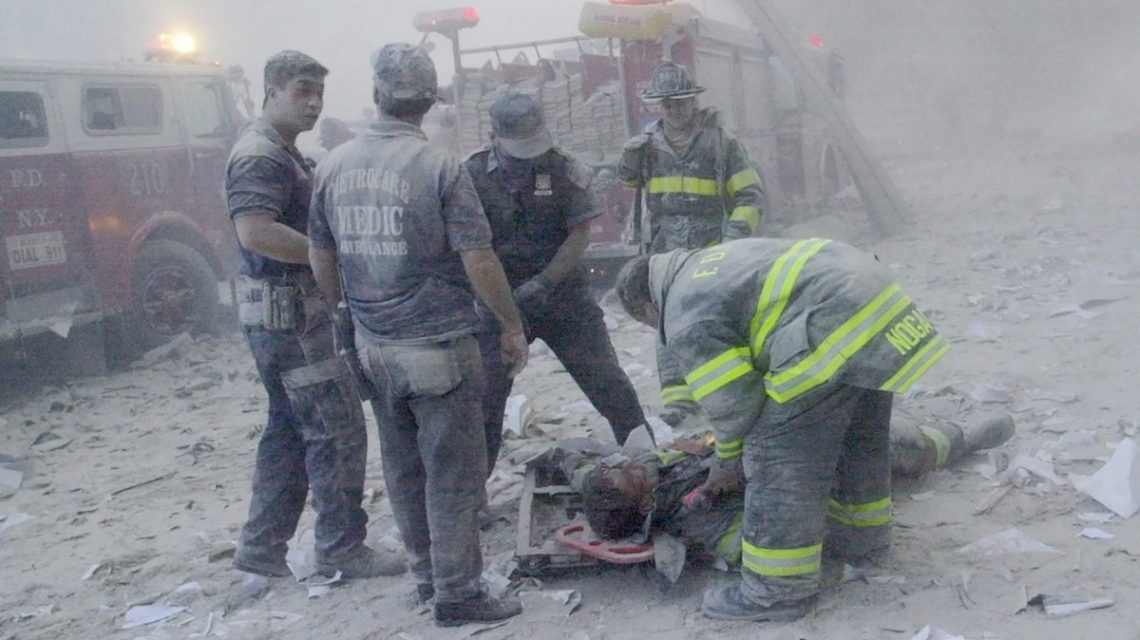
People present at Ground Zero on September 11, 2001 continue to suffer from the physical effects of exposure. The air in Lower Manhattan was filled with dust and debris from the towers’ collapse, affecting first responders and survivors. The World Trade Center (WTC) Health Program reports that over 400,000 individuals faced toxic contaminants, physical injury risks, and stressful conditions in the aftermath of the attacks.
Health Impact and Statistics
By March 2025, 8,215 individuals enrolled in the WTC Health Program had died, including 5,844 responders, according to the CDC. These figures include deaths from various causes, and the program does not specify if a death is related to 9/11 exposure.
A Responder’s Ongoing Health Struggle
Mordechai Shedrowitzky, a former volunteer EMT, shared with Fox News Digital how his exposure led to multiple hospitalizations and major surgery. Living in Brooklyn during the attacks, Shedrowitzky headed to Lower Manhattan to provide help. He vividly recalls entering a darkened Manhattan and encountering overwhelming debris.
“My most vivid memory was actually entering Manhattan from Brooklyn,” he recounted. “As we approached the tunnel, the first thing we noticed was there were no lights. It was pitch black.” Shedrowitzky and his team set up at South Street Seaport. His ambulance struggled with the dust-heavy air, affecting its performance. Air quality concerns were not top of mind, and they spent significant time outside, supporting others.
Over Time, Symptoms Emerge
Shedrowitzky initially believed he was unaffected after leaving the scene. However, years later, minor symptoms worsened. His asthma, previously manageable with an inhaler, became increasingly severe. “I started to require oral steroids,” he said, experiencing prolonged wheezing and coughing that disrupted his work and family life.
By 2019, Shedrowitzky’s condition took a severe turn, leading him to the WTC Health Program. He was diagnosed with tracheobronchomalacia, a weakening of the windpipe and airway walls. In 2024, he underwent tracheobronchoplasty to address the issue. Two years post-surgery, he feels improved but still faces occasional infections.
Shedrowitzky’s condition significantly impacted his ability to care for his six children. “Things as simple as lifting my children, even speaking to them,” proved challenging. Fortunately, recent improvements have allowed for better interaction with his family.
Addressing 9/11-Related Illnesses
Dr. Denise Harrison of NYU Grossman School of Medicine emphasizes the persistent health challenges. The WTC Health Program offers screening and treatment for those affected. The dust from 9/11, described as “highly alkaline,” caused significant airway irritation. This dust affected both upper and lower airways, as well as the digestive tract.
Harrison explains that conditions like asthma, COPD, and sinus problems frequently occur alongside other issues such as gastroesophageal reflux disease. These overlapping health problems complicate diagnosis and treatment.
The program’s findings suggest links between physical and mental health issues. For example, individuals with both asthma and PTSD may experience symptoms differently, requiring coordinated care from multiple providers.
Encouraging Continued Care
Shedrowitzky advises other responders experiencing health issues to seek help and link their conditions to 9/11. “Continue to be monitored so that potential issues can be picked up early,” he recommended.
As of March 31, 2025, the WTC Health Program had over 130,000 active members and is authorized through 2090, operating branches across various health systems. Dr. Harrison stresses that the effects of 9/11 exposure are ongoing and influenced by environmental factors. She calls for public patience as research continues, emphasizing that while current findings may not offer immediate benefits, they are crucial for future disaster responses.
 Expert Tips for Managing Blood Sugar Through Everyday Habits
  Essential Conversations with Aging Parents
  Recognizing the Alarming Pattern of Violence Against Women
  Congressional Hearing on Menopause: A Significant Step
  Industry Knew: Microplastics and Their Journey in the Human Body
  The Balance of Warmth and Discipline in Parenting