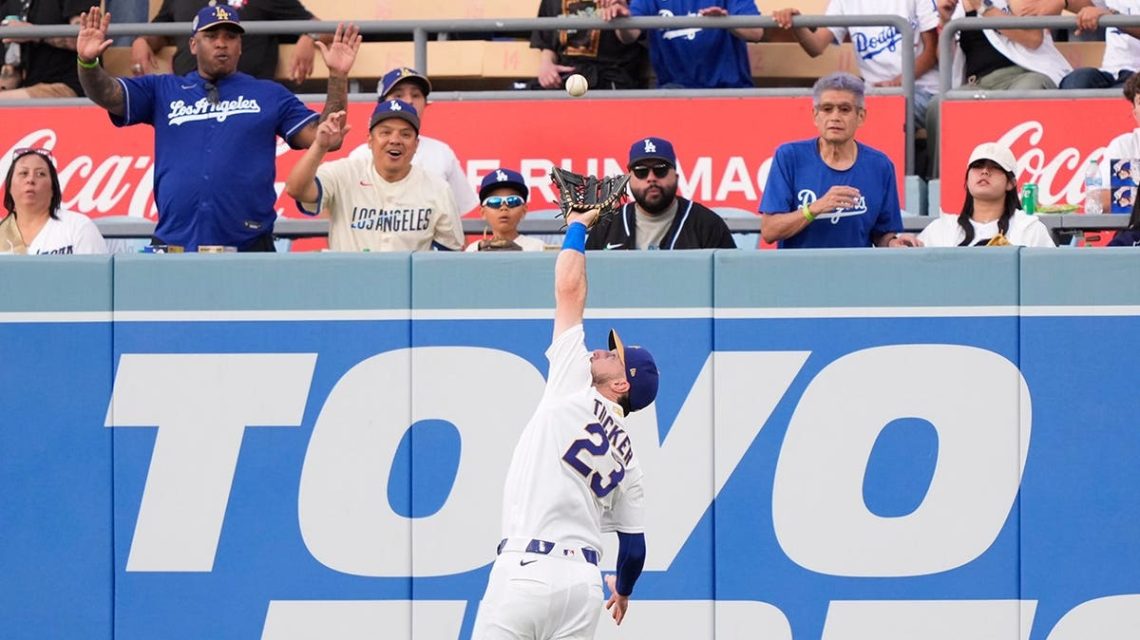
The Los Angeles Dodgers have emerged as a dominant force in baseball over the past few years. Their journey began with the signing of Shohei Ohtani in late 2023. This was followed by key additions like Yoshinobu Yamamoto, Teoscar Hernandez, and Tyler Glasnow, leading the team to clinch the 2024 World Series against the New York Yankees. Rather than resting, the Dodgers pressed forward, signing Tanner Scott, Blake Snell, and bringing back Tommy Edman. Roki Sasaki also preferred LA over other teams, enhancing their world-class roster. The Dodgers won the World Series once again.
In the 2025-2026 offseason, baseball enthusiasts, notably on the social platform X, were astounded when the Dodgers added Kyle Tucker and Edwin Díaz. Many claimed no team could rival the Dodgers’ talent and that their unmatched lineup seemed invincible, barring salary cap interventions.
Despite concerns, both Tucker and Díaz struggled, with the Dodgers experiencing a tough 2-11 stretch against teams like the Red Sox, Chicago Cubs, and Milwaukee Brewers. Interestingly, the Brewers, despite having one of the lowest payrolls, achieved baseball’s best record.
LA’s financial prowess and success have cultivated a subset of fans viewing them as the ultimate adversary. Some fans prefer teams who don’t prioritize winning, which allows owners to pocket profits instead of investing in players. These fans received unexpected news when Mark Walter, a Dodgers owner, faced a federal investigation involving loans tied to insurance companies he controls.
The investigation hints at complex dealings, potentially amounting to $16 billion-$20 billion in loans. Walter might even consider selling his share in the Lakers for $12.5 billion.
Many fans speculated the Dodgers’ payroll’s reliance on fraud, a notion fueled by viral misinformation. One false idea was that deferrals, such as in Ohtani’s contract, were novel to the Dodgers. In truth, MLB teams have long used deferred contracts, ensuring present value payments in specified accounts.
As an example, Ohtani voluntarily offered the deferral package to several teams, including the Giants, Blue Jays, and Angels. The Dodgers were not the only team to accept. This practice can benefit players in high-tax states, offering post-retirement payouts potentially saving millions in taxes.
Critics also voiced concerns over the Dodgers’ partial ownership of Spectrum SportsNet LA. Yet, such ownership models are common, evident in the Yankees’ stake in the YES Network.
Despite allegations of bankruptcy, the Dodgers have exceeded $1 billion in revenue, supported by diverse income streams beyond television deals. MLB’s rule allows the Dodgers to retain some TV revenue, a remnant of their previous bankruptcy, translating to an estimated $60 million each year.
The real reason the Dodgers face criticism is their commitment to winning. Unlike teams spending equally or more, such as the Mets, Dodgers’ smart strategies lead to success. Regardless of facts, public sentiment often thrives on anger and sensationalism.
The Dodgers remain financially robust. Walter’s selling of shares would not bankrupt them. Deferred contracts abide by MLB regulations and are unrelated to insurance loans.
While some fans remain angry, reality stays unchanged. The Dodgers continue their legacy of excellence despite external controversies.
Ian Miller contributes regularly to OutKick.
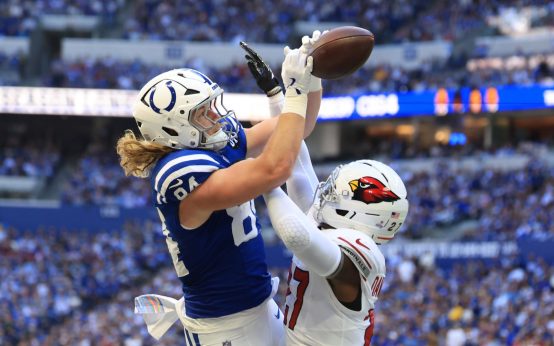 AFC South Tight End Rankings: Colts Lead the Pack
  U.S. Open Ticket Prices: An In-Depth Look
 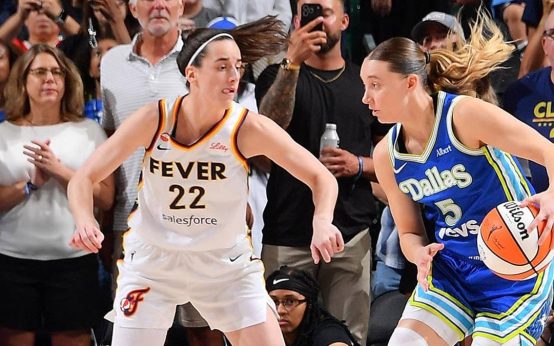 Tensions Rise Between Caitlin Clark and Paige Bueckers in Dallas vs. Indiana Matchup
 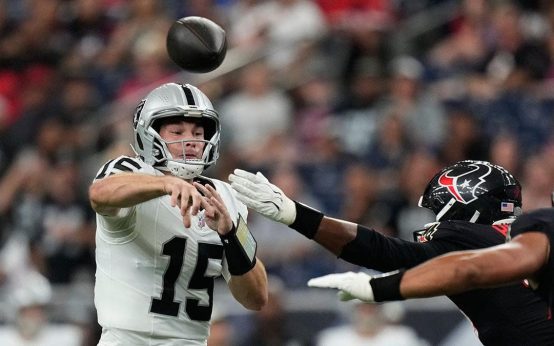 Raiders Rookie Fernando Mendoza Faces Challenges in Preseason Loss
  Caitlin Clark’s Influence on the WNBA Sparks Debate
  White Sox Lose to Braves Despite Breaking Holmes’ No-Hitter