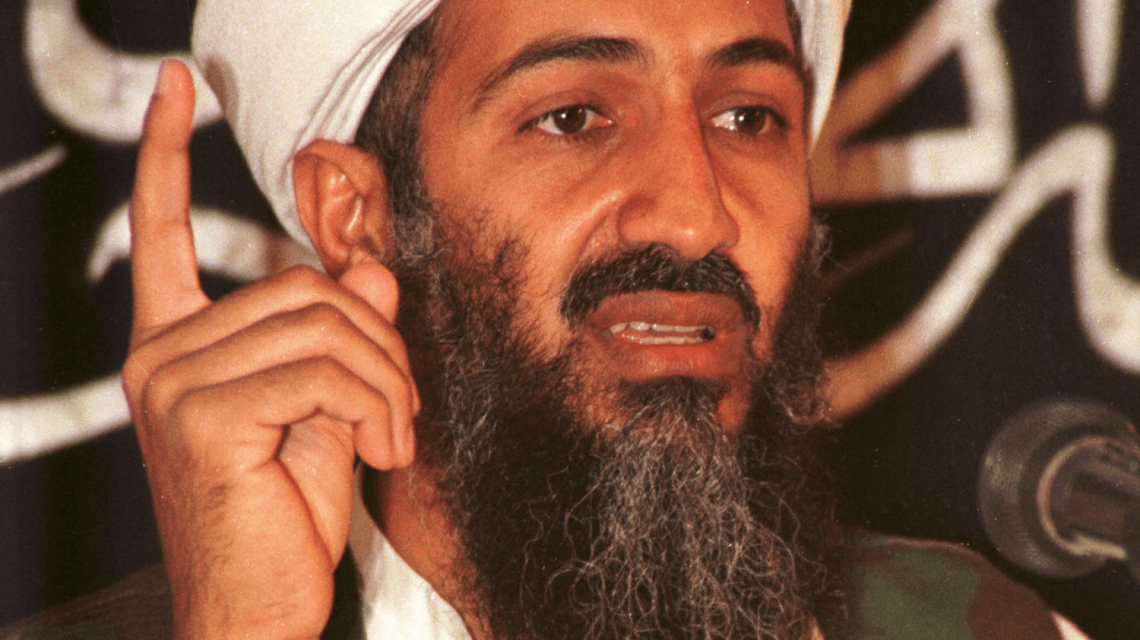
Newsweek continues its examination of the events leading up to the attacks on September 11, 2001. On August 23, Margaret Gillespie, an FBI analyst assigned to the bin Laden station at the Counterterrorist Center (CTC), requested that Khalid al-Mihdhar and Nawaf al-Hazmi be added to watch lists, aiming to deny them visas to enter the United States.
The U.S. Customs and Immigration and Naturalization Service (INS) identified al-Mihdhar as likely still within the U.S., while lacking evidence regarding al-Hazmi’s whereabouts. This spurred FBI headquarters to direct its New York and Los Angeles field offices to search for the men. New York’s field office found no evidence of their presence in a cursory search. Los Angeles received its search directive on September 11.
CTC urged immediate action to place Mihdhar and Hazmi on various watch lists. These included State’s VISA/VIPER for visa applicants, TIPOFF system for flight restrictions, and the Treasury Enforcement Communication System, used to inspect travelers at airport and border entry points. Despite instructions, these measures were mostly linked to international travel, not domestic.
On August 24, both men were added to three watch lists, flagged for possible U.S. travel. Al-Mihdhar’s INS watch list entry on August 31 described him as “armed and dangerous.” The State Department revoked his visa on September 4 for terrorist activities, entering this notice into the INS system the following day.
FBI agents across various divisions held pieces of vital information. A July 10 memo from an FBI Phoenix Field Office agent warned of radical Islamists training in U.S. flight schools. He suspected a coordinated effort led by Osama bin Laden to send recruits for civil aviation training, noting a suspicious number involved in such studies in Arizona. The memo proposed four actions: compile a list of flight schools, establish school liaison, share findings with intelligence, and obtain visa information of attendees.
The FBI headquarters did not act on these recommendations before 9/11. The Joint Inquiry discovered Minneapolis Field Office’s ignorance of the Phoenix memo, nor were Phoenix agents aware of Moussaoui, al-Mihdhar, or al-Hazmi. FBI’s New York agents informed on August 23 of their U.S. entry were equally uninformed on Moussaoui or the Phoenix memo.
The talks of a flawed communication between CIA and FBI reveal an internal lapse within the FBI itself. This was not due to legal barriers but stemmed from lacking competence, focus, and insight, issues needing broader solutions beyond mere reforms and additional surveillance powers.
 Data Centers Uniting Unlikely Allies Ahead of Midterms
 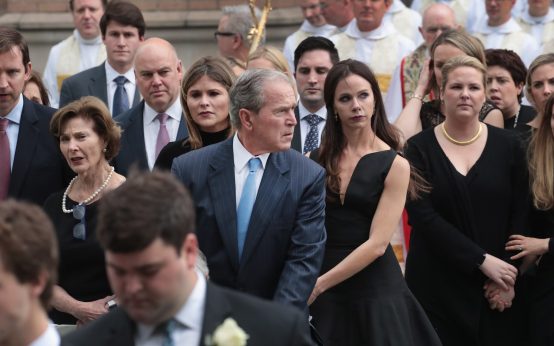 Debunking Claims of George W. Bush Endorsing Democrat James Talarico
  International Law Under Threat: U.S. Sanctions on the International Criminal Court
 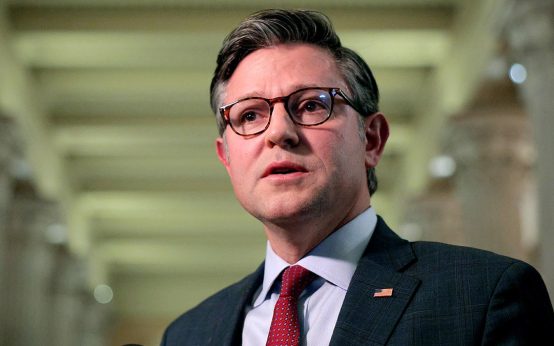 House Speaker Johnson Warns of Democratic Policies’ Impact on Midterm Elections
  Chicago’s Daylight Saving Time Debate
 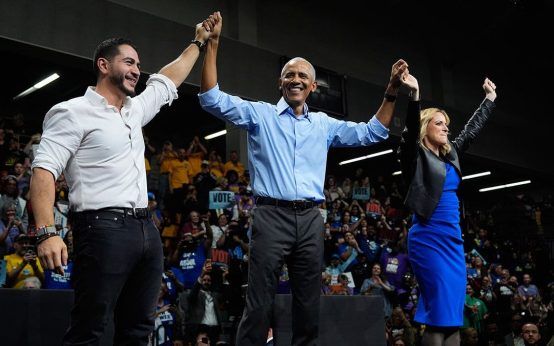 Obama Supports Progressive Democrats Ahead of Midterm Elections